9 Countries With Surprising Food Safety Standards, Data Shows
Most people assume they know which countries have the best and worst food safety standards. The reality, based on current data from international monitoring organizations, tells a dramatically different story. Several nations that might seem unlikely candidates are actually leading the world in food security measures, while some traditionally trusted countries face unexpected challenges.
Singapore Takes the Crown Despite Limited Agriculture
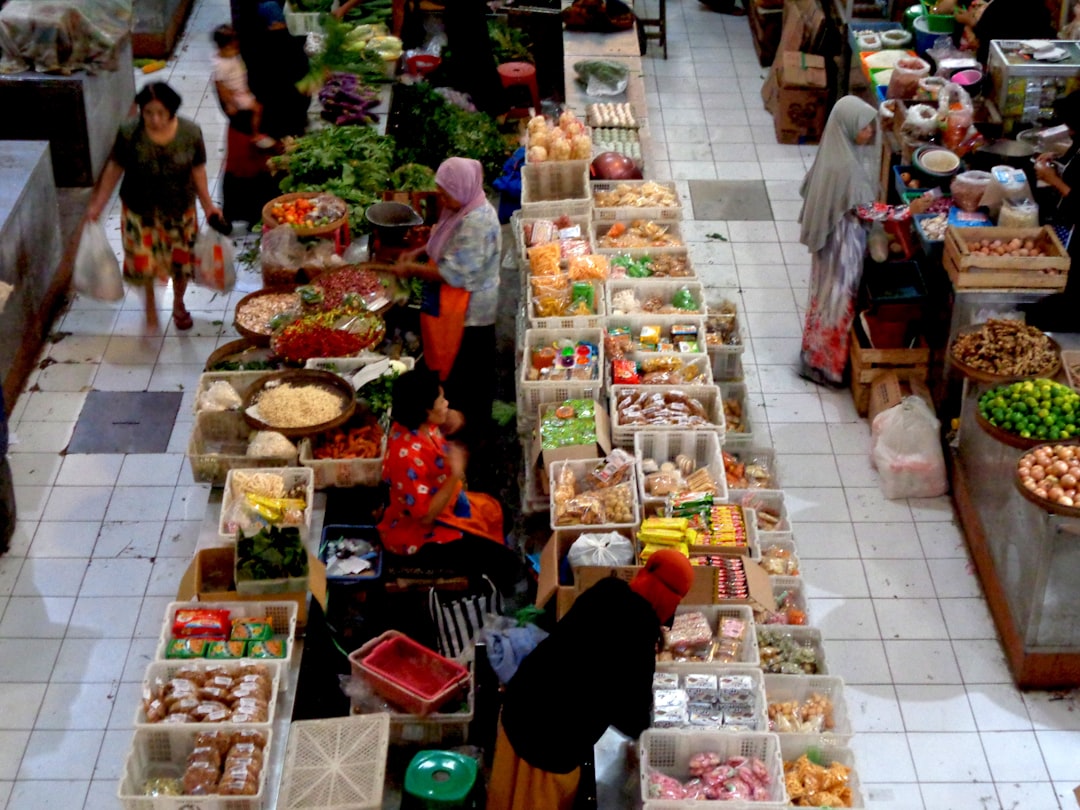
Singapore consistently ranks among the top countries for global food security despite having virtually no agricultural sector. The city-state leverages its high GDP per capita, political stability, and strong micronutrient availability systems, with no significant weaknesses identified in recent assessments. What makes this remarkable is that Singapore imports roughly ninety percent of its food supply yet maintains exceptional safety standards through rigorous inspection protocols and advanced technological solutions.
Ireland Outperforms Major Powers
Ireland emerged as one of the top three countries with the highest levels of food security in 2022, alongside Finland and Norway. Ranking second overall, Ireland scored third in affordability, eleventh in availability, and seventh in quality and safety, sharing strengths with the United States and Singapore but with only one weakness: lack of public expenditure on agricultural research and development. This performance places Ireland ahead of traditional food powerhouses like the United States and Germany. The country’s success stems from its robust regulatory framework and emphasis on sustainable farming practices that have gained recognition globally.
China’s Rapid Food Safety Revolution

China’s National Health Commission and State Administration for Market Regulation enacted 85 new national food safety standards in September 2023, covering food products, manufacturing operations, contact materials, testing methods, and food additives. By March 2024, China had published an additional 47 new national food safety standards and 6 amendment sheets to existing ones. This aggressive regulatory overhaul represents one of the most comprehensive food safety modernization efforts globally. The country has also dramatically improved access to nutritious food, transforming from a nation struggling with hunger decades ago.
Japan’s Precision-Driven Standards
Japan’s Ministry of Health, Labour and Welfare issued Notification No. 324 in November 2023, announcing the Positive List for food utensils, containers, and packaging effective from June 2025. The country also finalized standards for supplement tablets and capsules containing natural ingredients in August 2024. Japan’s approach focuses on meticulous safety protocols and advanced technology integration. Their food safety system emphasizes prevention through strict import controls and comprehensive testing procedures that often exceed international standards.
South Korea’s Emerging Leadership
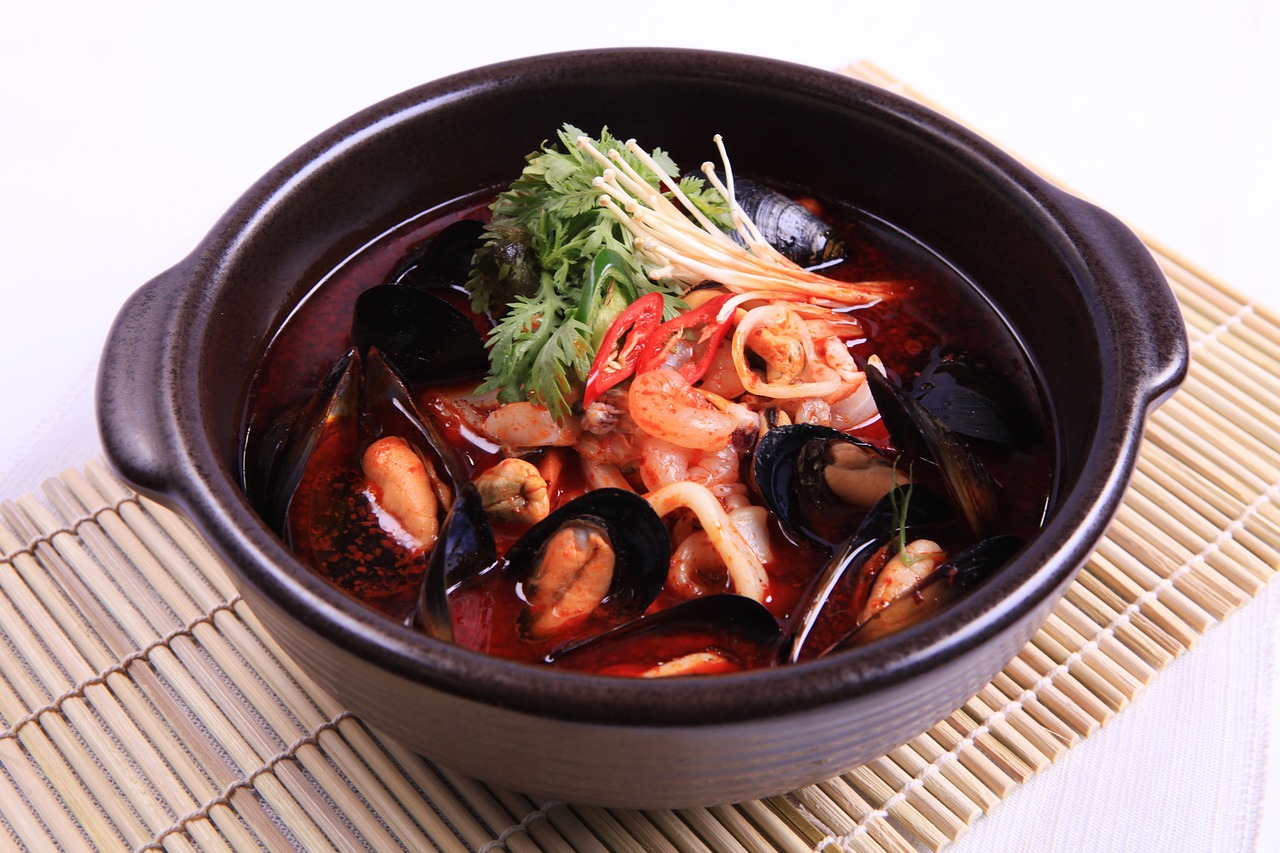
South Korea’s Ministry of Food and Drug Safety has established temporary standards for cell-cultivated foods, including detailed regulatory support for food ingredients from cell and microbial origins. The country consulted on expanding nutrition labels to all processed foods and mandating high-caffeine labels for solid foods containing guarana in August 2024. This forward-thinking approach to novel food technologies positions South Korea as an unexpected leader in next-generation food safety regulation. Their proactive stance on emerging food technologies sets them apart from many Western nations still developing similar frameworks.
Australia’s Comprehensive Allergen Protection
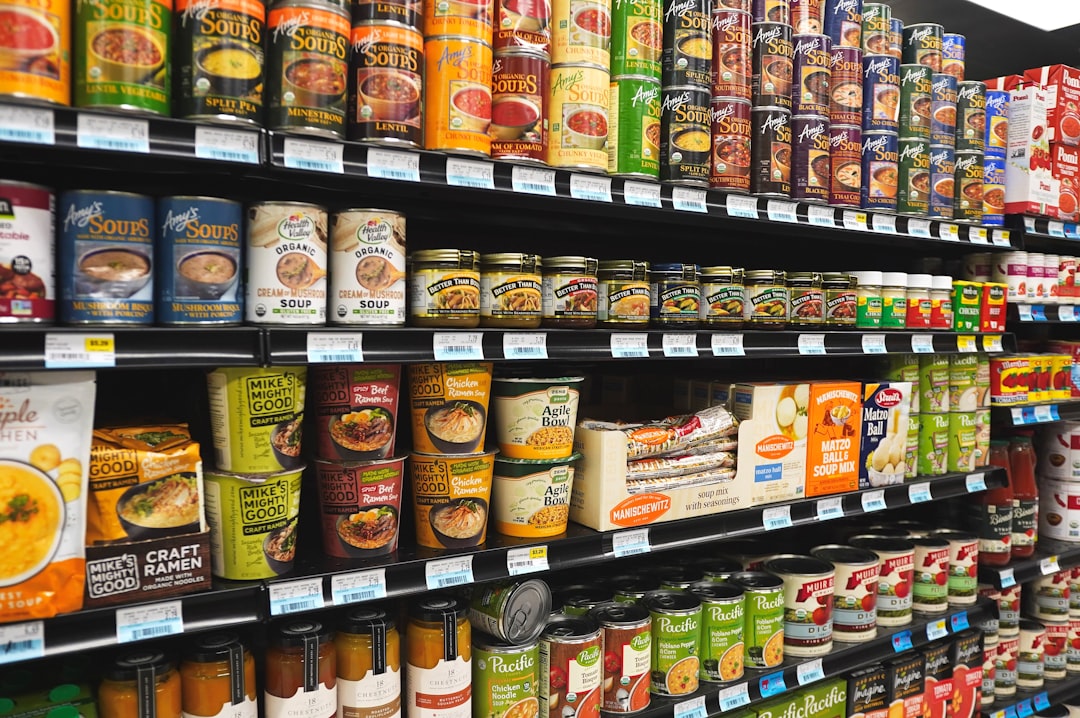
New allergen labelling requirements came into force in Australia on February 25, 2024, developed under Food Standards Australia New Zealand’s Plain English Allergen Labelling proposal, mandating allergen information in specific formats and locations using simple, bold English terms. Despite registering as the second lowest risk country for food security, Australia saw 3.7 million households experience food insecurity in the 12 months prior to October 2023. The country’s comprehensive approach to allergen management demonstrates how developed nations can still face food security challenges while maintaining high safety standards.
Finland Leads European Excellence

Finland topped the Global Food Security Index in 2022, ranking as the country with the most favorable food safety standards globally. The index measures affordability, availability, quality and safety, as well as sustainability and adaptation of food across 68 indicators in 113 countries. Finland’s success results from decades of investment in agricultural research, sustainable farming practices, and comprehensive food safety monitoring systems. The Nordic country’s approach emphasizes transparency and consumer protection through stringent regulatory oversight.
Brazil’s Unexpected Progress
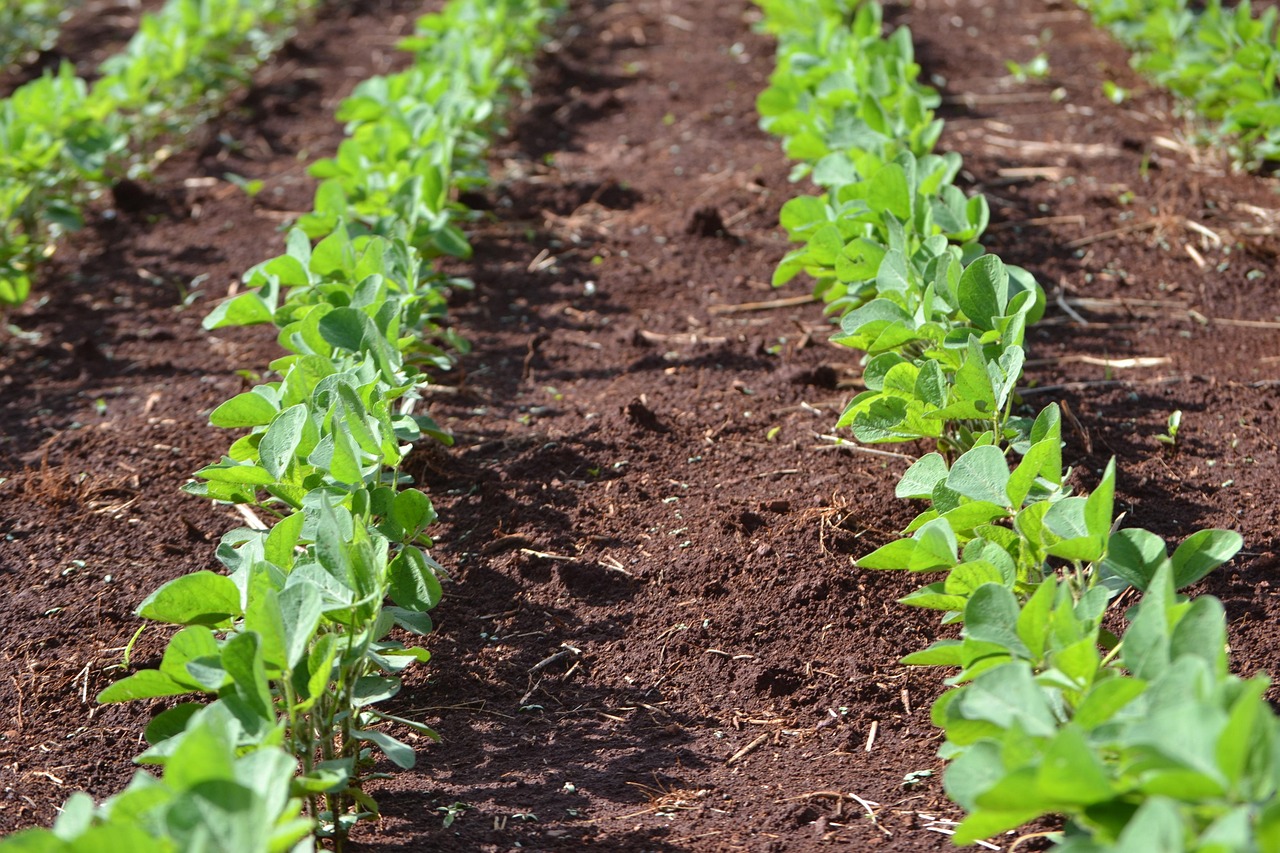
Brazil demonstrated positive trends in hunger reduction, with its Global Hunger Index score declining from 11.7 in 2000 to 6.6 in 2024. The country continues to maintain low hunger levels alongside other South American nations like Chile and Argentina, highlighting a regional trend toward better food security. This represents a remarkable transformation for a country that historically struggled with food security issues. Brazil’s agricultural modernization and social programs have created a model that other developing nations are now studying and attempting to replicate.
United States Ranks Lower Than Expected
The United States ranked 13th out of 113 countries in the 2022 Global Food Security Index, placing below countries including Finland, Ireland, Norway, France, Netherlands, Sweden, United Kingdom, Portugal, Switzerland, and Austria. Despite public sentiment suggesting American food safety standards should be higher, the country takes an approach of allowing chemicals in foods unless proven harmful, contrasting with Europe’s approach of keeping citizens free from untested chemicals unless proven safe. This surprising ranking reflects ongoing debates about regulatory philosophy and food system priorities in developed nations.
The data reveals that food safety excellence doesn’t always align with economic power or traditional agricultural strength. Countries achieving the highest food security scores often combine strong governance, innovative regulation, and strategic approaches to managing food systems regardless of their domestic production capacity. What do you think about these surprising rankings?