11 Grocery Store Tactics Most Shoppers Rarely Detect, Former Employees Reveal
Grocery stores are full of clever strategies designed to influence what we buy – often without us even noticing. Former employees are now revealing the subtle tricks hidden in every aisle. From product placement to sensory cues, these tactics quietly shape our shopping habits. Here are 11 sneaky methods most shoppers never detect.
Larger Shopping Carts Are Designed To Make You Buy More
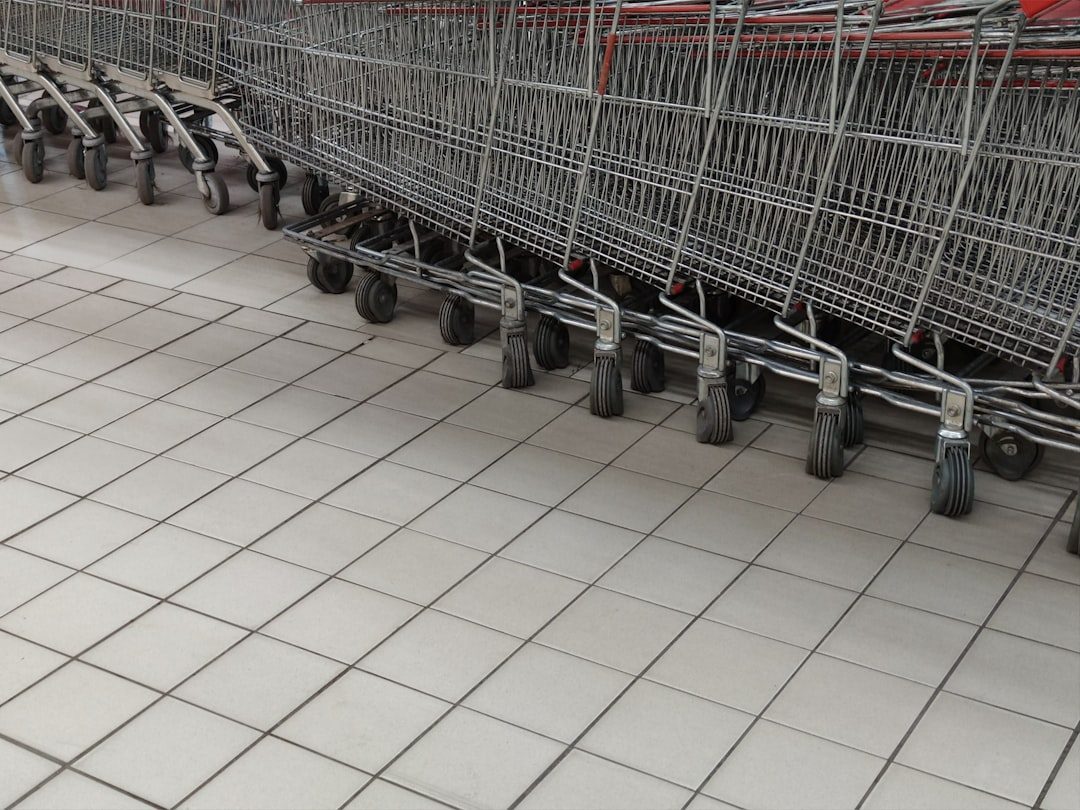
Those massive shopping carts you grab at the entrance aren’t just there for your convenience. Shopping carts have grown significantly in size over the years, and according to marketing expert Martin Lindstrom, larger carts can lead shoppers to buy significantly more. Research has shown that shoppers with bigger carts bought roughly forty percent more than those with smaller ones. Your brain perceives an empty cart as something that needs filling, triggering unconscious impulse purchases you never planned to make.
The Music Playing Overhead Controls Your Shopping Speed
Stores play slower tempo music to slow you down, making you linger longer and spend more, as the tempo actually influences your walking speed and shopping pace. The slower you move through the aisles, the more products catch your attention. The tempo and rhythm of the music can influence the rate at which one moves throughout the store, turning what should be a quick trip into an extended browsing session that fattens your bill.
There Are No Clocks Or Windows For A Sneaky Reason

Ever noticed how grocery stores feel like time vacuums? The lack of windows and clocks in supermarkets is a deliberate design choice that can influence consumer behavior and increase sales, as shoppers lose track of time and may spend more time in the store than they intended. Studies have found that after about forty minutes of shopping, most people stop struggling to be rationally selective and instead begin shopping emotionally. That’s when you start tossing things into your cart that weren’t on your list.
Eye Level Placement Isn’t Accidental
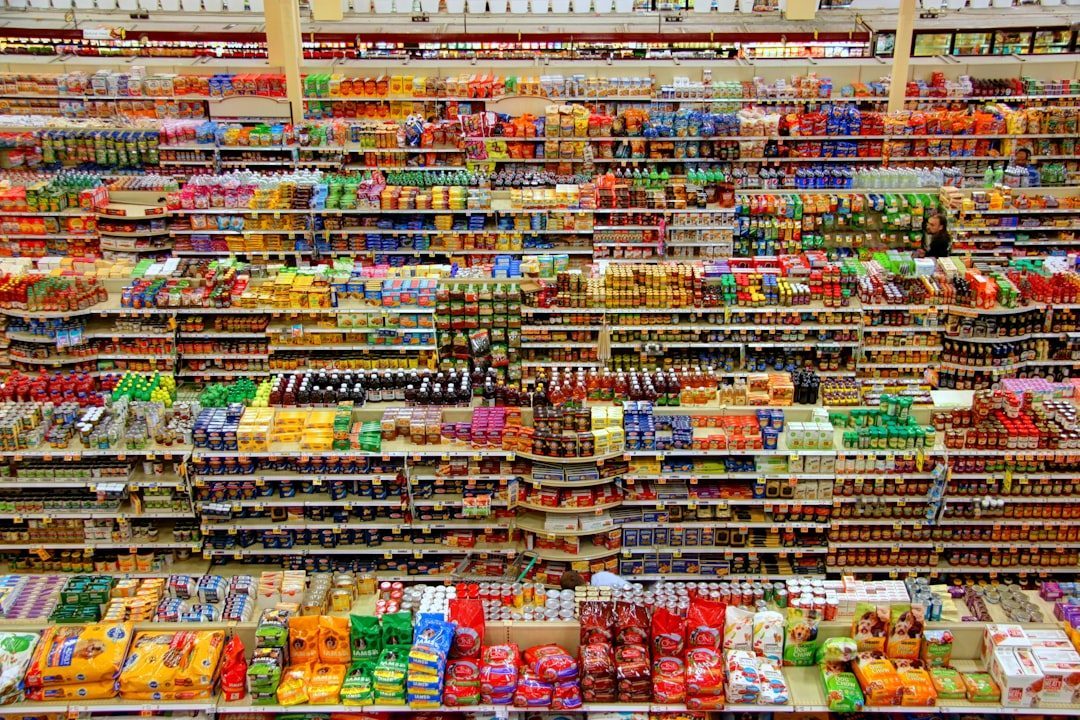
Pricey name brands are usually placed at the average shopper’s eye level, since more people look left and right when shopping, while cheaper options, such as store brands and generics, are placed out of sight on higher and lower shelves. Honestly, it’s hard to say for sure, but this vertical pricing strategy probably generates millions in extra revenue. The vertical pricing strategy maximizes profits on every aisle, as employees know customers are often in a hurry and will grab whatever’s most convenient.
End Cap Displays Are Premium Real Estate For A Reason
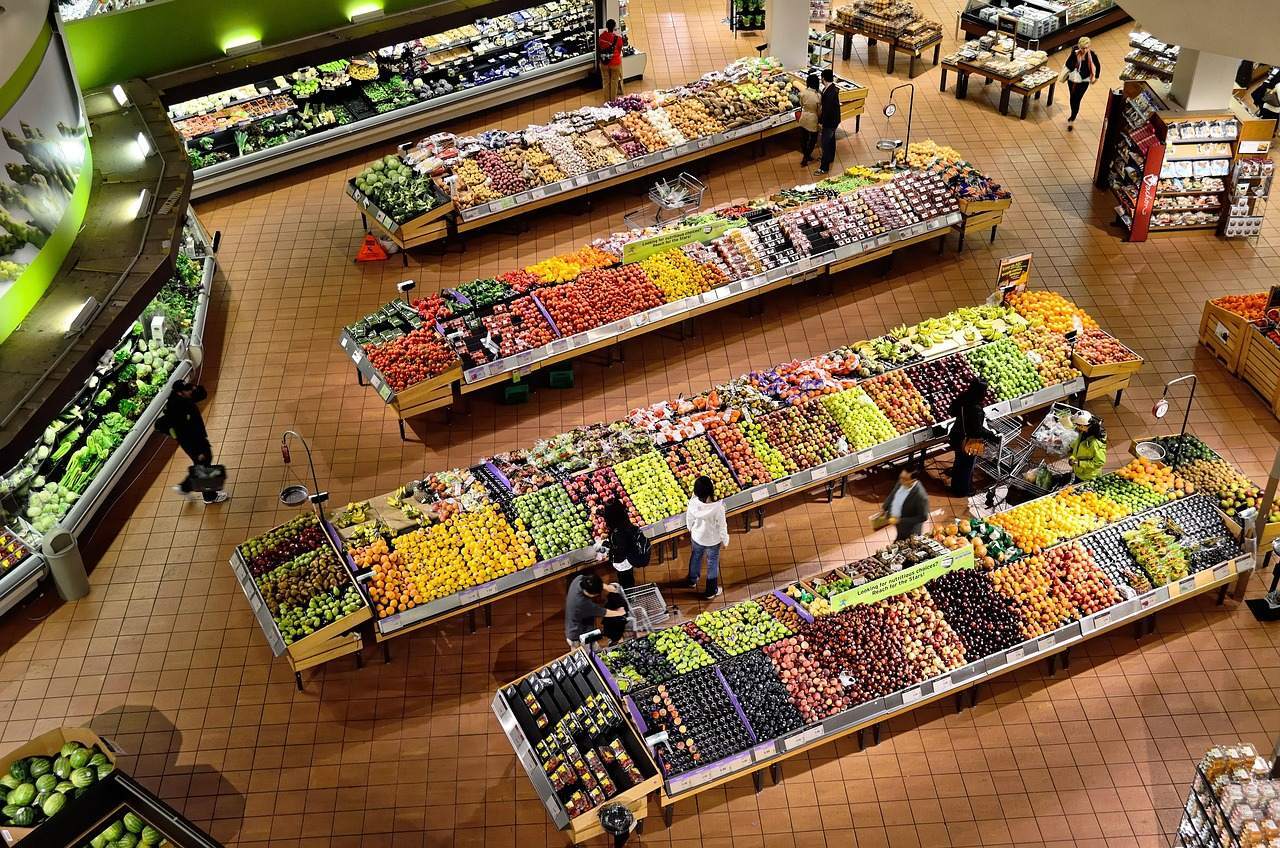
The displays at the ends of aisles, known in the supermarket business as end caps, are astute shopper traps, and companies pay high prices to display their products there since these are hot spots for impulse buying. Many shoppers assume these items are discounted because they’re featured so prominently. However, the truth might surprise you. Customers often think that because a food item is on a display at the end of the aisle, the price is reduced, though that’s frequently not the case at all.
Essential Items Are Deliberately Placed Far Apart
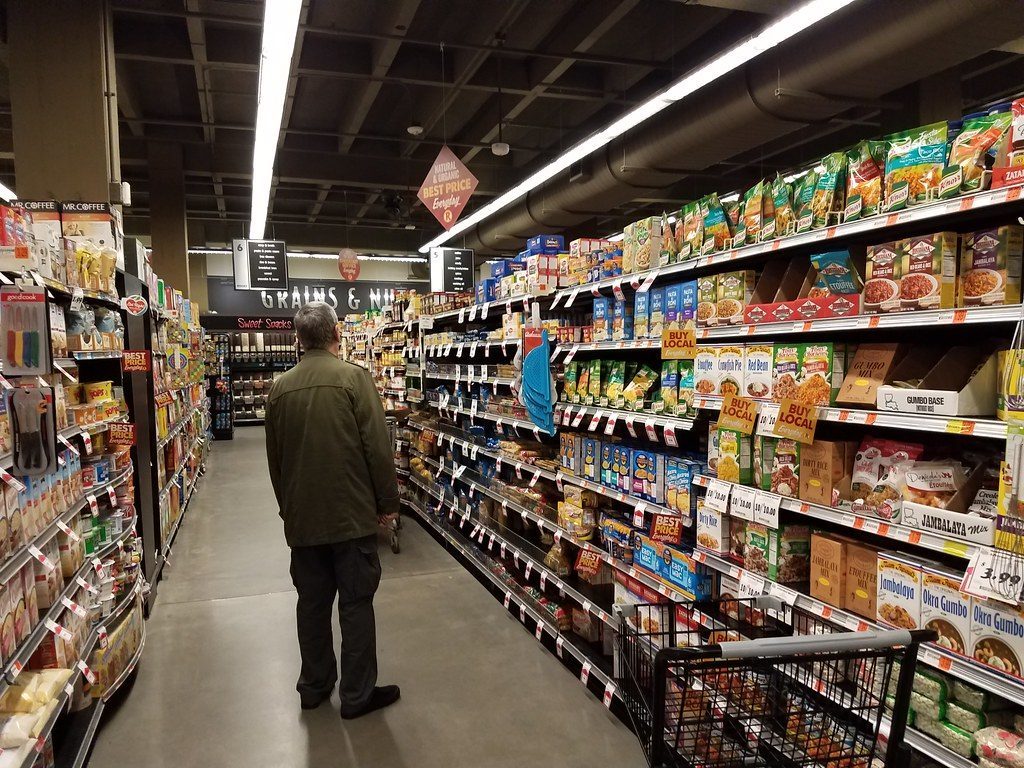
Essential groceries that are most commonly placed on shopping lists, such as eggs, milk, fruit, and vegetables, are separated and strategically set around the store to force the customer into a full-length walk of the supermarket, leading to shoppers being more likely to pick up higher margin items. Placing milk, bread, or eggs in the rear ensures shoppers pass through multiple zones, each an opportunity for unplanned purchases. The longer journey means more opportunities for the store to catch your eye with specialty foods and premium products.
Shrinkflation Quietly Drains Your Wallet Without You Noticing
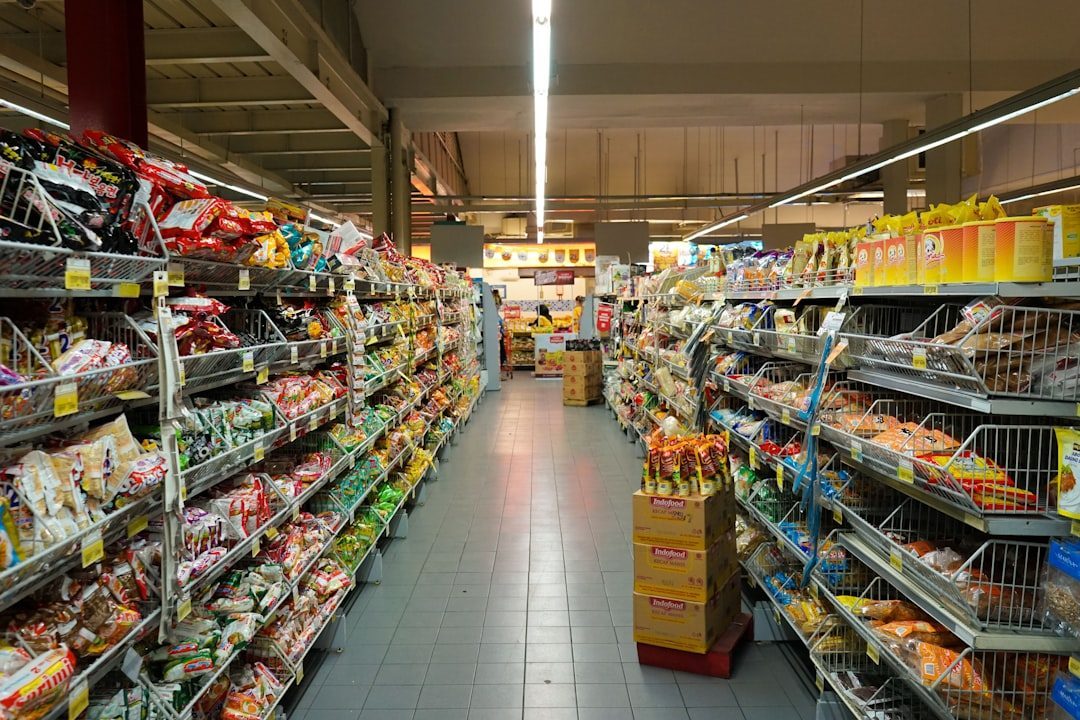
According to a survey conducted in March 2024, sixty one percent of U.S. shoppers observed multiple items they typically purchased at grocery stores becoming smaller without a corresponding decrease in pricing. Over three quarters of surveyed consumers say they have noticed shrinkflation at the grocery store in the previous thirty days, according to the October 2024 Consumer Food Insights Report. Shrinkflation averaged about sixteen percent among selected national grocery brands in 2024, effectively increasing your per-unit costs while the sticker price stays the same.
Unit Pricing Can Be Misleading Or Inconsistent
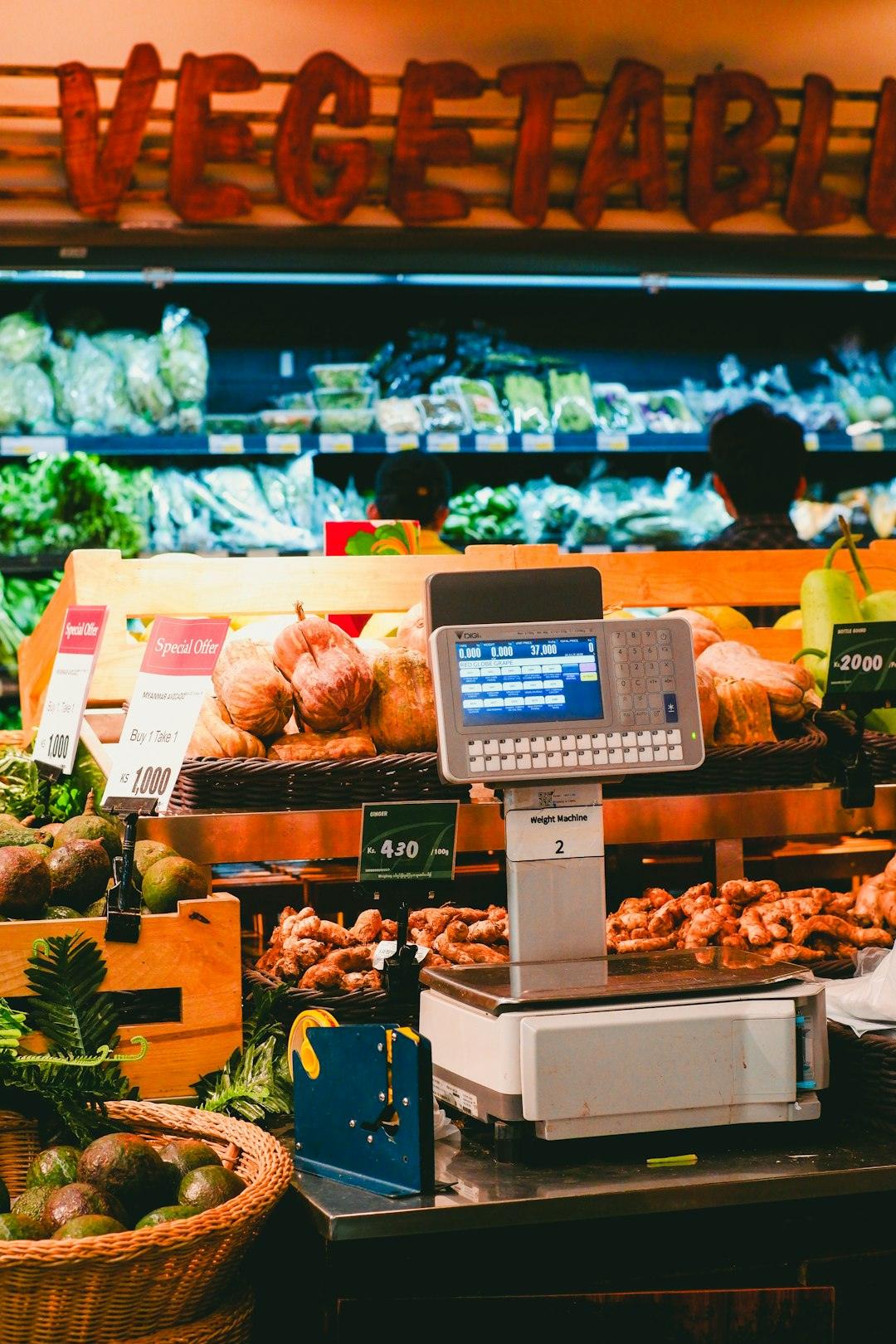
Let’s be real: unit prices should help you compare products fairly, but stores don’t always make it easy. Unit prices are most helpful when they are consistent across products, but if one product is listed per ounce and another per pound, it might require a quick conversion, and some stores do a better job than others. Bigger packages are not always the better deal, as manufacturers know that people assume buying in bulk is cheaper, so they sometimes raise the unit price of value sized products. In some instances, the smaller size actually costs less per ounce.
Fresh Baked Goods Aren’t Actually Made From Scratch
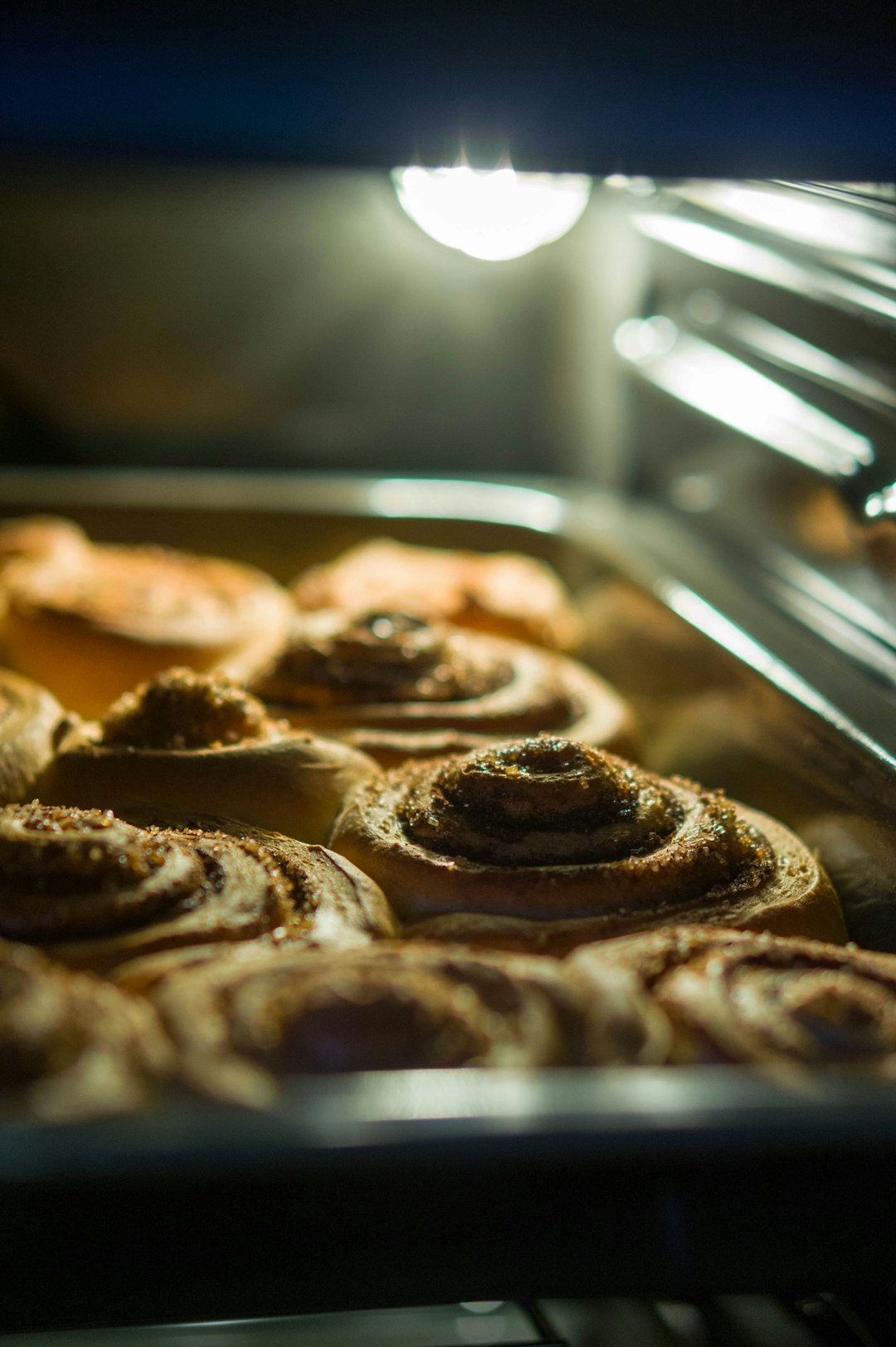
The enticing smell from the in-store bakery is often by design, as many freshly baked breads, cookies, and pastries arrive at the store as frozen, pre-made dough or par-baked items, and employees then simply bake them off in ovens, so while technically baked fresh on site, they aren’t usually made from scratch in that location. That warm, comforting aroma pumped throughout the store? It’s carefully orchestrated to stimulate your appetite and encourage additional purchases you didn’t plan.
Produce Spraying With Water Is Mostly For Show
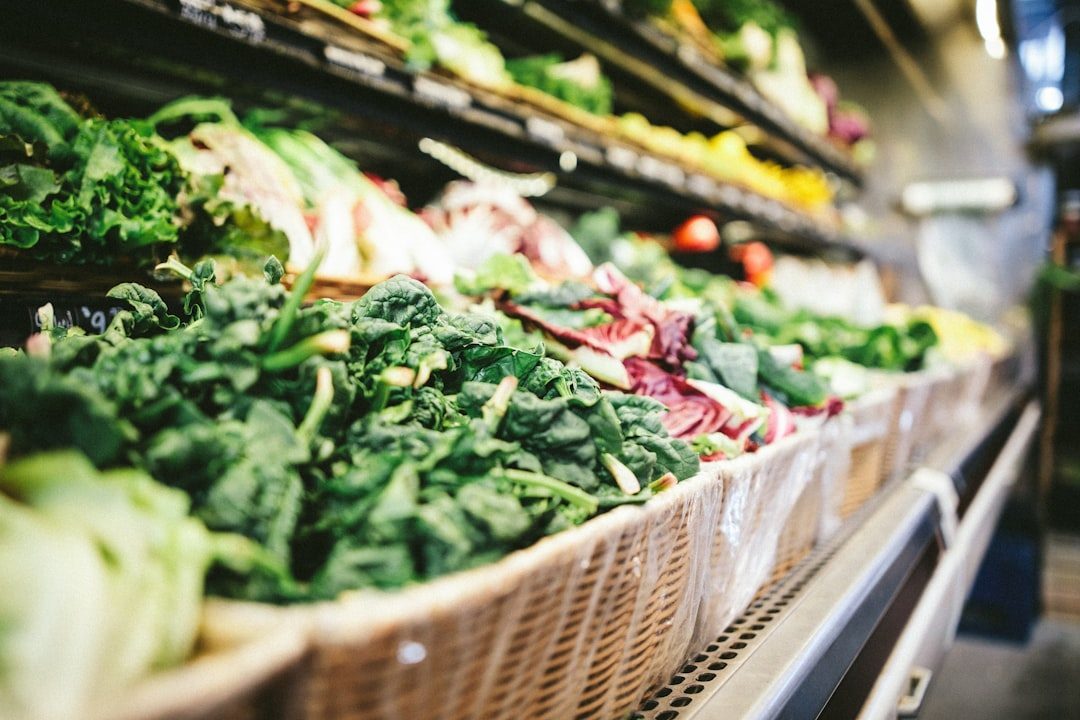
According to Martin Lindstrom, author of Brandwashed, the periodic sprays of fresh water that douse the produce bins are all for show, and though used to give fresh foods a deceptive dewy and fresh picked look, the water actually has no practical purpose and in fact makes vegetables spoil faster than they otherwise would. The mist creates an illusion of farm freshness that has nothing to do with quality or preservation. I know it sounds crazy, but that sparkling appearance is pure theater designed to make you buy more.
Loyalty Programs Track And Sell Your Shopping Data
Experts warn that grocery store loyalty programs come at the expense of your data collection, as your shopping habits are being tracked and sometimes sold. Those personalized discounts you receive? They’re based on algorithms analyzing your purchasing patterns. Customers who sign up for supermarket loyalty programs may also receive offers that appear to be good deals but are actually designed to maximize store profit rather than customer savings.
What do you think about these tactics? Have you spotted any of them during your last grocery run?