10 Countries With the Easiest Digital Nomad Visas for Americans in 2026
Remote work continues to reshape how we think about our careers and lifestyles. For Americans looking to blend their jobs with international adventure, the digital nomad visa has become the golden ticket. These aren’t your typical tourist visas where you’re constantly watching the calendar and worrying about overstaying. We’re talking about legal residency permits that actually let you settle in, open bank accounts, and feel like a real member of your new community.
The best part? Governments around the world are practically rolling out red carpets. Countries have figured out that remote workers bring steady income without taking local jobs, which is basically a win-win situation for everyone involved. From sun-drenched Mediterranean coastlines to tech-savvy Baltic nations, there’s never been a better time to take your laptop and go exploring.
Portugal – The European Dream That Won’t Break the Bank

Portugal stands out as one of the most popular destinations for remote workers, ranking sixth in the Global Remote Work Index for 2025, with its D8 Digital Nomad Visa offering both short-term and long-term residency options with a monthly income requirement of €3,480 and a savings threshold of €36,480. Here’s the thing about Portugal that really sets it apart: it’s not just affordable compared to Western Europe, it genuinely feels like a place that wants you there.
The application process is generally low-cost and low-effort compared to other national visas, requiring proof of sufficient income and remote work capabilities, while offering a pleasant climate, lively culture, and lower living costs than many Western European countries. The visa initially grants a four-month entry period, after which you convert it to a two-year residence permit. Portugal’s low violent-crime rates and highly reliable public services, combined with a healthcare system consistently ranked among the top in Europe, make daily life seamless as English proficiency is widespread in cities like Lisbon and Porto.
Portugal frequently appears in digital nomad ratings and was recently ranked sixth in the Global Remote Work Index among the top 10 remote work destinations. Lisbon buzzes with startup energy while Porto offers historic charm without the tourist chaos. There are established coworking spaces everywhere you look, making networking and finding community surprisingly easy. The pathway to permanent residency after five years is another compelling factor that keeps people coming back.
Spain – Where Mediterranean Lifestyle Meets Reasonable Requirements
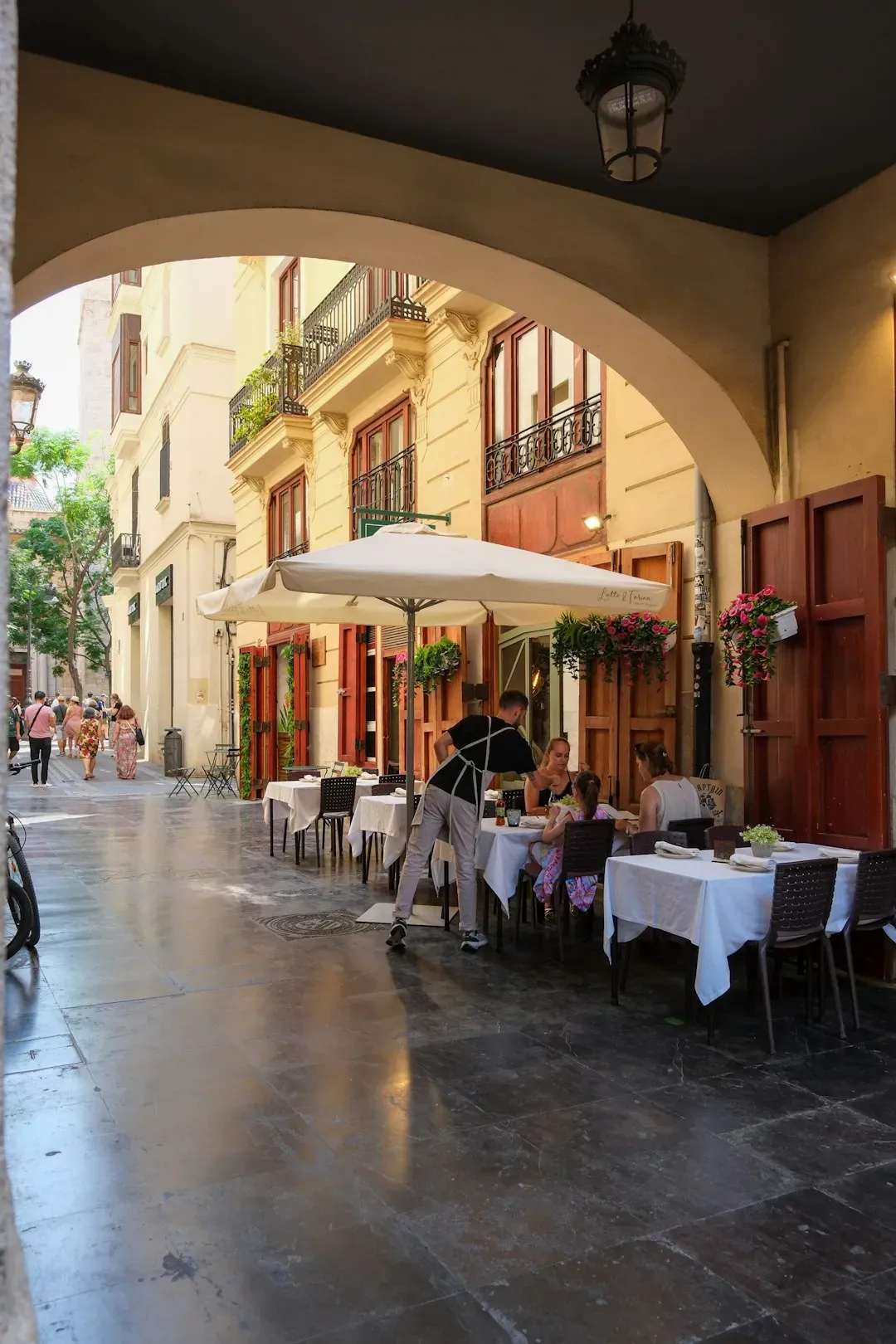
Spain’s Digital Nomad Visa, created under the Startup Law, ranks number one in the 2025 Global Digital Nomad Report, thanks to its combination of strong public transport, high-quality healthcare often ranked among the top 10 worldwide, and excellent urban safety for expats. The income threshold sits at a manageable €2,760 per month for 2025, which is notably lower than many competing European programs.
The visa allows remote workers to live and work in Spain for up to one year initially if applying from abroad, or up to three years if applying from within Spain, with the income requirement set at double the minimum wage, which is €2,760 per month for a single adult in 2025. Unlike many other Digital Nomad Visas, up to 20 percent of a freelancer’s income can come from Spanish clients. This flexibility makes Spain particularly attractive for consultants and freelancers who might have diverse client portfolios.
Spain’s cost of living, especially for housing and daily essentials, is often significantly lower than in Western European capitals, with costs roughly 15 to 25 percent less than cities such as London or Paris, while Barcelona and Madrid attract tech-oriented nomads and Valencia consistently scores among Europe’s best cities for work-life balance. Whether you’re craving tapas culture in Seville or want to be near the beach in Valencia, Spain delivers on lifestyle without demanding Silicon Valley salaries.
Croatia – Adriatic Beauty With Tax-Free Income
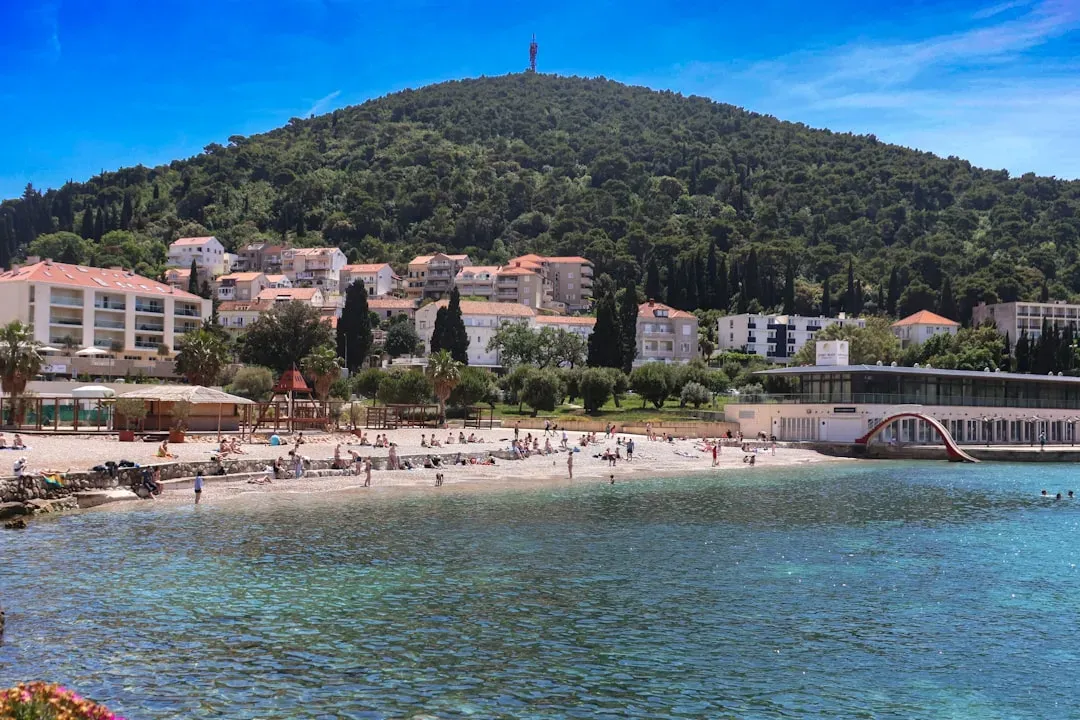
Croatia’s Digital Nomad Visa enables foreign citizens working remotely to stay in the country for 18 months as of August 2025, up from the original 12 months. What really makes Croatia stand out isn’t just the stunning coastline or medieval towns. The most important advantage is that you are exempt from income tax with this visa, allowing you to live a pleasant life in this fascinating Mediterranean country while keeping all your earnings.
Non-EU/EEA/Swiss citizens can apply with proof of a monthly income of €3,295, or show savings of €39,540 for 18 months. For each family member or partner, you can expect to add 10 percent more. Cities like Split and Dubrovnik offer that perfect blend of old-world architecture and modern digital infrastructure, with coworking spaces popping up faster than you can say “remote work revolution.”
The application process can be completed online through the official government website or through a Croatian embassy. The permit has been extended to 18 months as of 2025, making Croatia one of the most generous digital nomad programs in Europe in terms of length of stay. Split offers the best of both worlds if you ask me – coastal living without the overwhelming tourist crowds of Dubrovnik, plus a thriving nomad community that actually sticks around.
Estonia – Where Tech Infrastructure Meets Nordic Efficiency
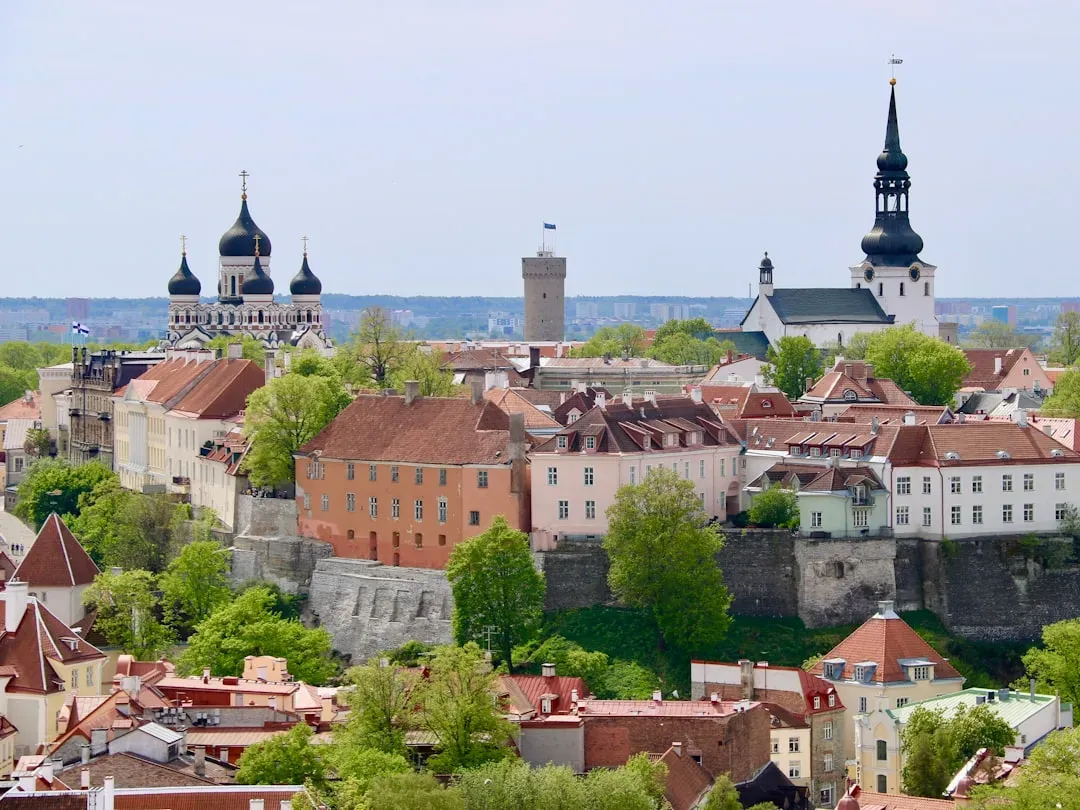
Estonia has already transformed the way a country serves people beyond its borders through e-Residency, and now with the Digital Nomad Visa, Estonia is transforming how people in the world choose to work. The income requirement sits at €4,500 per month, which is admittedly higher than southern Europe, but you’re paying for something remarkable here.
Estonia offers access to high-speed internet, vibrant co-working spaces, and the country’s efficient e-governance system, along with Schengen Area travel privileges for up to 90 days in any 180-day period, all within a safe, English-friendly environment with potential tax optimizations. As of June 2025, Estonia’s e-Residency program has surpassed 126,500 registered users with a stable monthly addition of over a thousand applications. That’s not hype – that’s global entrepreneurs and remote workers voting with their feet.
Estonia is the most digitized country globally, with 99 percent of government services available online, and DNV holders can apply for a resident ID card costing 24-50 euros, instantly accessing company registration, bank account opening, tax payments, and more with extremely high administrative efficiency and minimal institutional friction. Tallinn manages to feel both historic and futuristic simultaneously. The medieval Old Town bumps right up against sleek startup offices, and honestly, the whole country just works with a level of efficiency that’ll spoil you for anywhere else.
Costa Rica – Central American Paradise Close to Home

Costa Rica has officially rolled out the welcome mat for remote workers with its digital nomad visa that is ideal for Americans looking for a balance of natural beauty and modern comforts, with the visa valid for one year and renewable for an additional year. The proximity to the United States is a massive advantage that doesn’t get talked about enough. You’re looking at direct flights from most major American cities, and the time zones actually align with your U.S. clients and colleagues.
The visa requires proof of income of $3,000 per month, increasing to $4,000 per month if applying with dependents, with living costs averaging around $1,700 per month in popular spots like Tamarindo, Santa Teresa, or San José. Costa Rica delivers that “Pura Vida” lifestyle everyone talks about, from Pacific surf breaks to cloud forests and volcanos you can actually hike without needing to be an extreme athlete.
Costa Rica’s proximity to the US and mature expat infrastructure make tax compliance and communication easier, with the country’s territorial tax system providing attractive benefits for American nomads. The digital infrastructure has genuinely improved over the past few years, especially in popular nomad hubs. You’ll find reliable internet in most coastal towns now, though it’s always smart to have a backup plan because, well, it’s still Central America.
Malta – Mediterranean Island With English as Official Language
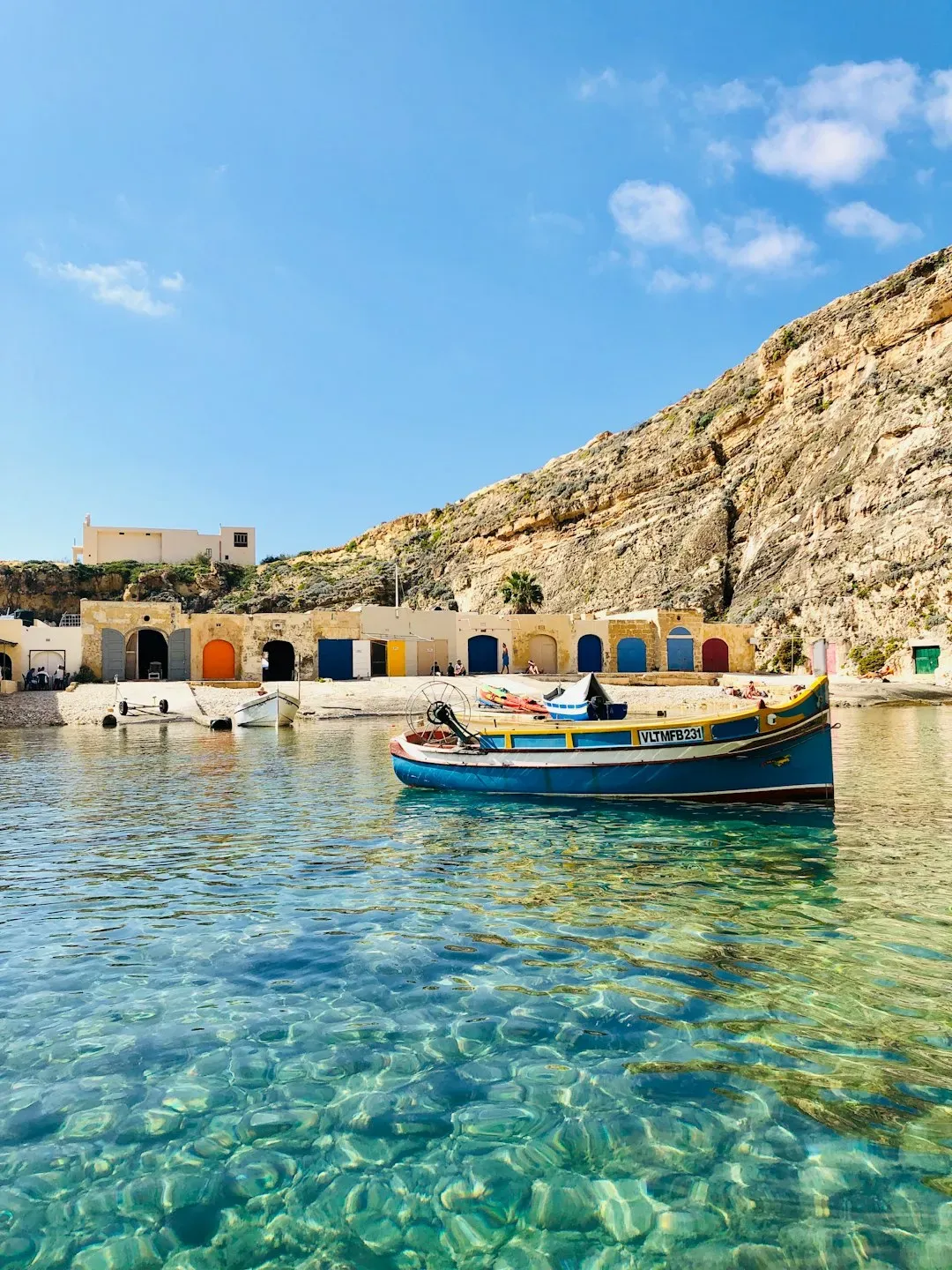
Some of the best countries for digital nomads include Greece, Malta, Croatia, Costa Rica, and Indonesia. Malta flies somewhat under the radar compared to Portugal or Spain, but that’s actually part of its charm. A digital nomad will get a visa to Malta within at least 2 months, while in Portugal the obtainment period is a minimum of 6 months. The processing speed alone makes Malta worth considering if you’re eager to get moving quickly.
English is an official language alongside Maltese, which removes a major barrier that trips up nomads in other countries. The island sits in the heart of the Mediterranean, offering easy weekend trips to Sicily, Tunisia, or the Greek islands. The startup scene has been growing steadily, with blockchain and gaming companies establishing significant presences on the island.
The Maltese lifestyle balances European sophistication with island relaxation. Sure, it’s small – you can drive across the entire country in about an hour – but that creates a tight-knit expat community where you’ll quickly recognize faces at your favorite café. The weather remains pleasant nearly year-round, and the cost of living lands somewhere between budget-friendly Eastern Europe and pricey Scandinavia.
Greece – Ancient History Meets Modern Remote Work

Greece offers a digital-nomad visa allowing non-EU nationals to live and work remotely in Greece. The Greek islands need no introduction – everyone’s seen the photos of white-washed buildings cascading down cliffsides overlooking impossibly blue water. What fewer people realize is that Greece has genuinely stepped up its digital nomad game over the past couple of years.
Athens provides the urban energy and infrastructure you’d expect from a major European capital, while islands like Crete offer that slower Mediterranean pace. The cost of living remains remarkably affordable compared to Western Europe, especially outside tourist hotspots during peak season. You can find excellent apartments in Athens neighborhoods for prices that would barely cover a closet in London or Paris.
The application process requires demonstrating steady income and securing health insurance valid in Greece. What makes Greece particularly appealing is the blend of deep historical roots with surprisingly robust internet connectivity in major cities and popular islands. The food alone might be reason enough – fresh seafood, olive oil, feta, tomatoes that actually taste like tomatoes. Plus, the Greek people have mastered the art of living well without needing massive salaries.
Italy – La Dolce Vita Goes Digital
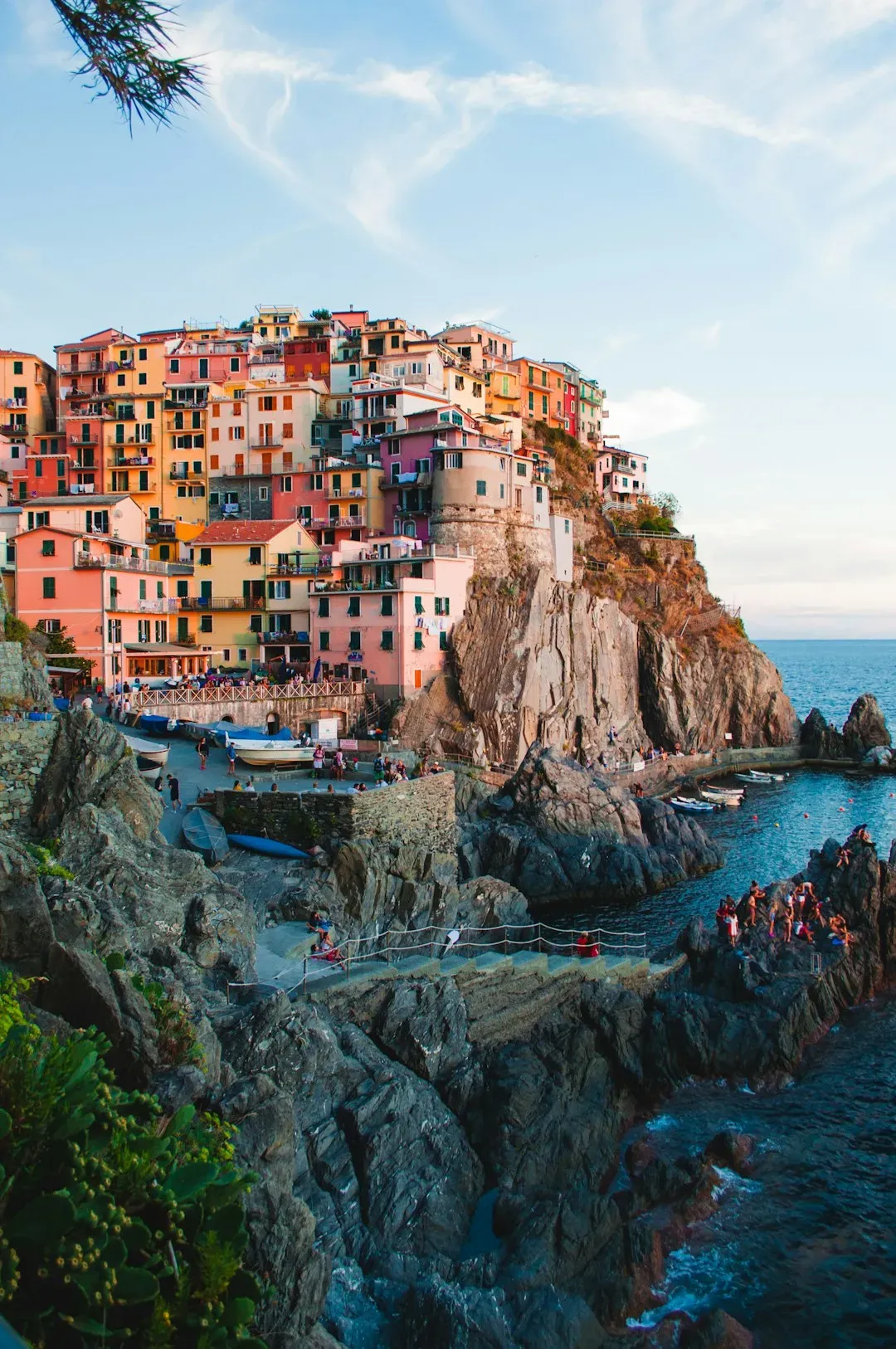
Italy’s Remote Worker Visa, also known as the Italy Digital Nomad Visa, was launched in April 2024, allowing digital nomads to have a residence permit for a year which is extendable, with the ability to travel freely in the Schengen Area and benefit from special tax incentives. To get visa approval, you have to work for a company not registered in Italy with a minimum annual income of €24,789, which can increase to €34,087 if you add your spouse.
Italy brings something intangible that statistics can’t capture. There’s a reason “la dolce vita” became a global phrase. The country offers an almost overwhelming variety of experiences – from Milan’s fashion and finance scene to Tuscany’s rolling hills, from Rome’s ancient ruins to Sicily’s beaches and volcanos. Each region maintains distinct character, cuisine, and even dialect.
Italy’s program offers the classic European nomad experience with reasonable requirements for higher earners, with a 12-month duration, income requirement of approximately $3,000 per month, and application fee of around $116. The bureaucracy can test your patience, I won’t lie about that. Italian administrative processes move at their own Mediterranean pace. However, once you’re settled in and sipping espresso at your local bar where the barista knows your order, you’ll understand why people fall in love with this country despite – or maybe because of – its inefficiencies.
Barbados – Caribbean Escape With Digital Infrastructure
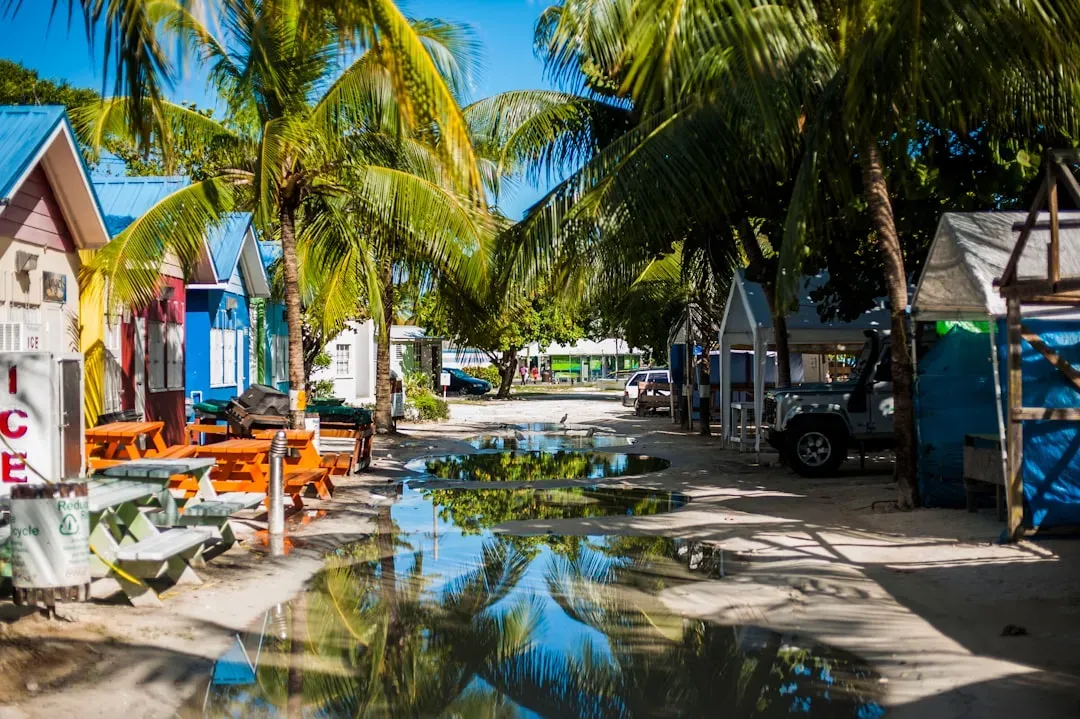
Barbados offers its Welcome Stamp program that, despite the $2,000 application fee, provides excellent value for nomads seeking a Caribbean lifestyle, requiring proof of $50,000 annual income and providing one-year renewable status with access to a well-established expat community. The fee might seem steep compared to European options, but you’re paying for something unique here – a fully English-speaking Caribbean nation with British Commonwealth stability and American-style amenities.
The island punches well above its weight in terms of infrastructure. Internet reliability rivals what you’d find in major U.S. cities, which isn’t something you can take for granted in the Caribbean. The expat community is well-established and welcoming, with regular meetups and networking events. Barbados sits outside the hurricane belt’s worst zones, offering year-round tropical weather without the constant storm anxiety.
The lifestyle delivers exactly what you’d hope for – pristine beaches, rum punch, fresh fish, and a laid-back island pace that forces you to slow down and actually enjoy life. The tax benefits can be substantial depending on your situation, though you’ll want professional advice to navigate the specifics. Weekend trips to other Caribbean islands become remarkably easy, turning your home base into a launching pad for broader exploration.
Czech Republic – Central European Charm With Tech-Friendly Policies
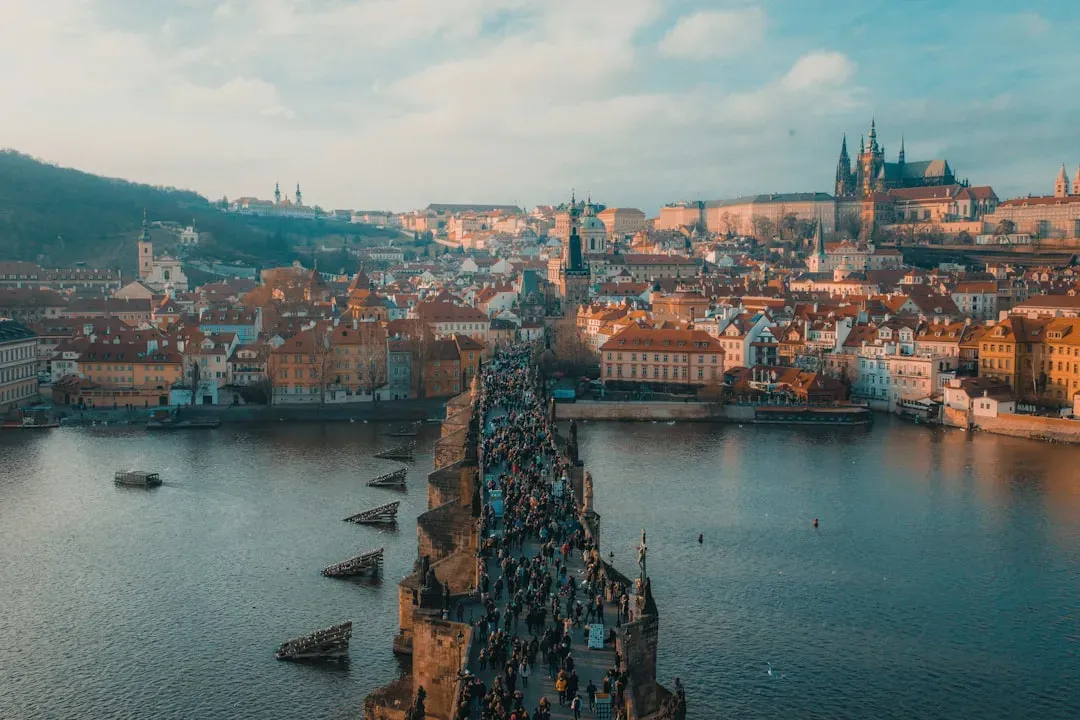
The Czech Republic’s program targets STEM professionals with its 12-month Živno Visa and $2,700 monthly income requirement, requiring a university degree or three years of IT experience, with Prague’s central European location providing excellent access to the broader EU market through Czech diplomatic missions. Prague has quietly become one of Europe’s top digital nomad destinations without the overwhelming crowds that plague Barcelona or Lisbon.
The city manages to feel both historic and modern, with medieval architecture housing cutting-edge startups and coworking spaces. The cost of living remains significantly lower than Western Europe while offering comparable quality of life. Czech beer is world-class and absurdly cheap, the public transportation system runs like clockwork, and the central location makes weekend trips to Vienna, Berlin, or Krakow incredibly simple.
The Živno Visa’s STEM focus means it’s particularly suitable for developers, engineers, and tech professionals. The local tech scene is vibrant and genuinely international, with English widely spoken in professional environments. Winter can be grey and cold, which isn’t everyone’s cup of tea, but the Christmas markets and cozy pub culture more than compensate. Prague offers that sweet spot of European sophistication without the eye-watering price tags of Paris or Amsterdam.
These ten countries represent genuine opportunities for Americans seeking to expand their horizons in 2026. Each destination brings unique advantages, from Portugal’s established nomad infrastructure to Estonia’s digital efficiency, from Spain’s perfect weather to Croatia’s tax-free income. The remote work revolution isn’t slowing down – if anything, it’s accelerating. Governments worldwide recognize that digital nomads inject money into local economies without displacing workers, creating situations where everybody benefits.
The question isn’t really whether you should take advantage of these programs. The question is which one matches your priorities. Do you value warm weather over cutting-edge infrastructure? Is proximity to the United States more important than access to the broader Schengen Area? Are you willing to navigate some bureaucracy for the perfect lifestyle, or do you need streamlined processes above all else? There’s honestly never been a better time to take your work on the road. These visas offer legal certainty, community connections, and the freedom to actually experience other cultures rather than just visiting them. What are you waiting for?