10 Signs a “Luxury” Brand Is Really Low-Quality in Disguise
Skyrocketing Prices Without Quality Improvements
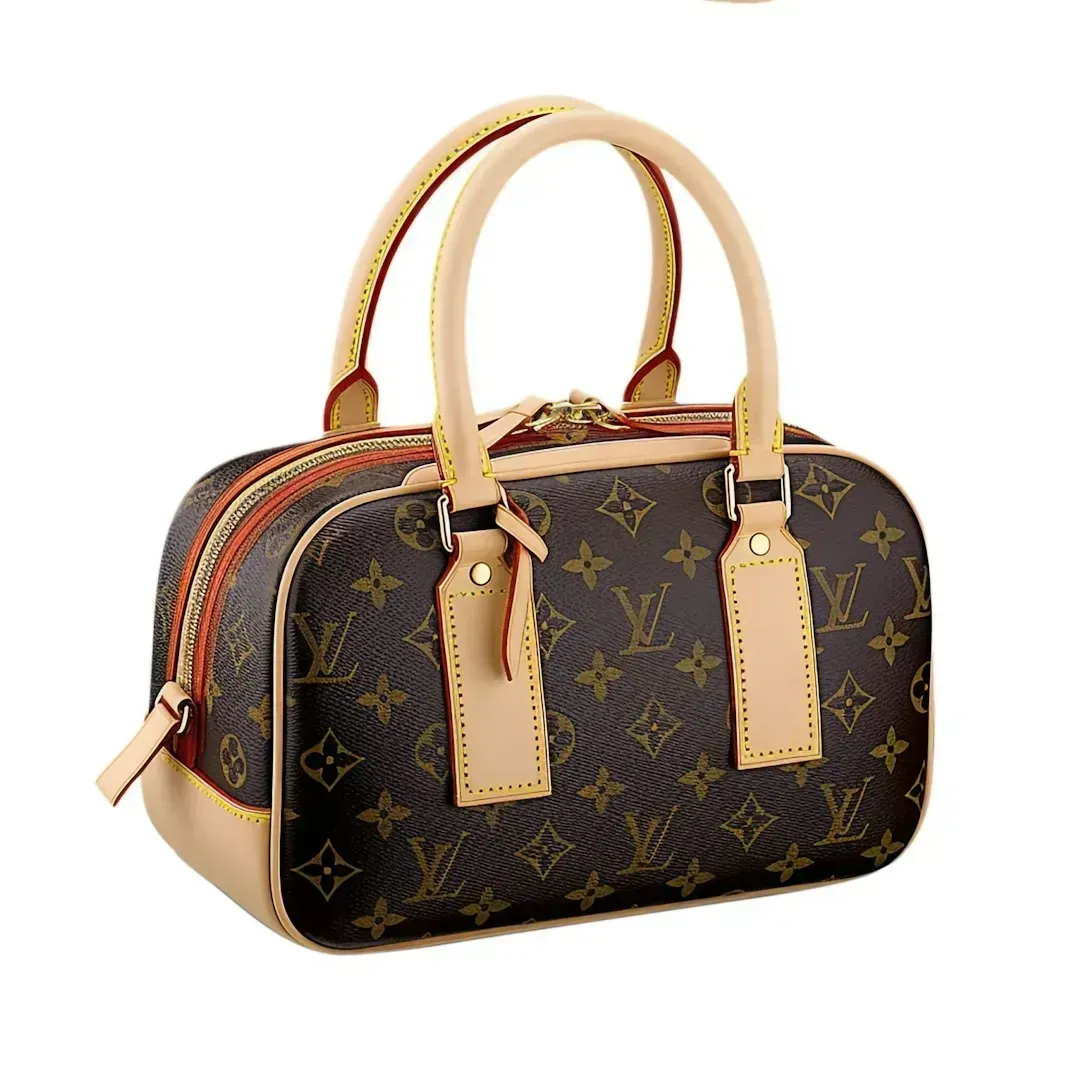
Since 2019, luxury brands have dramatically increased their prices without a corresponding increase in innovation, service, quality, or appeal. It’s a problem consumers finally noticed in 2024. From October 2019 to April 2024, Prada’s popular Galleria Saffiano bag increased 111 percent, Louis Vuitton’s canvas Speedy bag doubled, and Gucci’s Marmont small matelassé shoulder bag went up by 75 percent – Chanel’s iconic medium 2.55 leather flap bag jumped from $5,800 to $10,800. Yet the quality hasn’t improved to justify these increases. Honestly, when you’re paying nearly double for the same bag design, you’d expect at least some innovation beyond the price tag itself.
Margins Matter More Than Craftsmanship
The luxury fashion business is addicted to margin – the higher the better – and the continual driver of fashion is part of the reason we’re all wearing sportswear and trainers right now, as the margins on a designer tracksuit and sneakers are much higher than on a well-made suit or handmade leather shoes. Nobody will complain if their $800 pair of sports shoes are made of plastic and glue but they will if their new snaffle loafers aren’t stitched and are instead glued. The shift toward higher-margin products reveals that profit often outweighs quality considerations.
Identical Factories, Vastly Different Price Tags
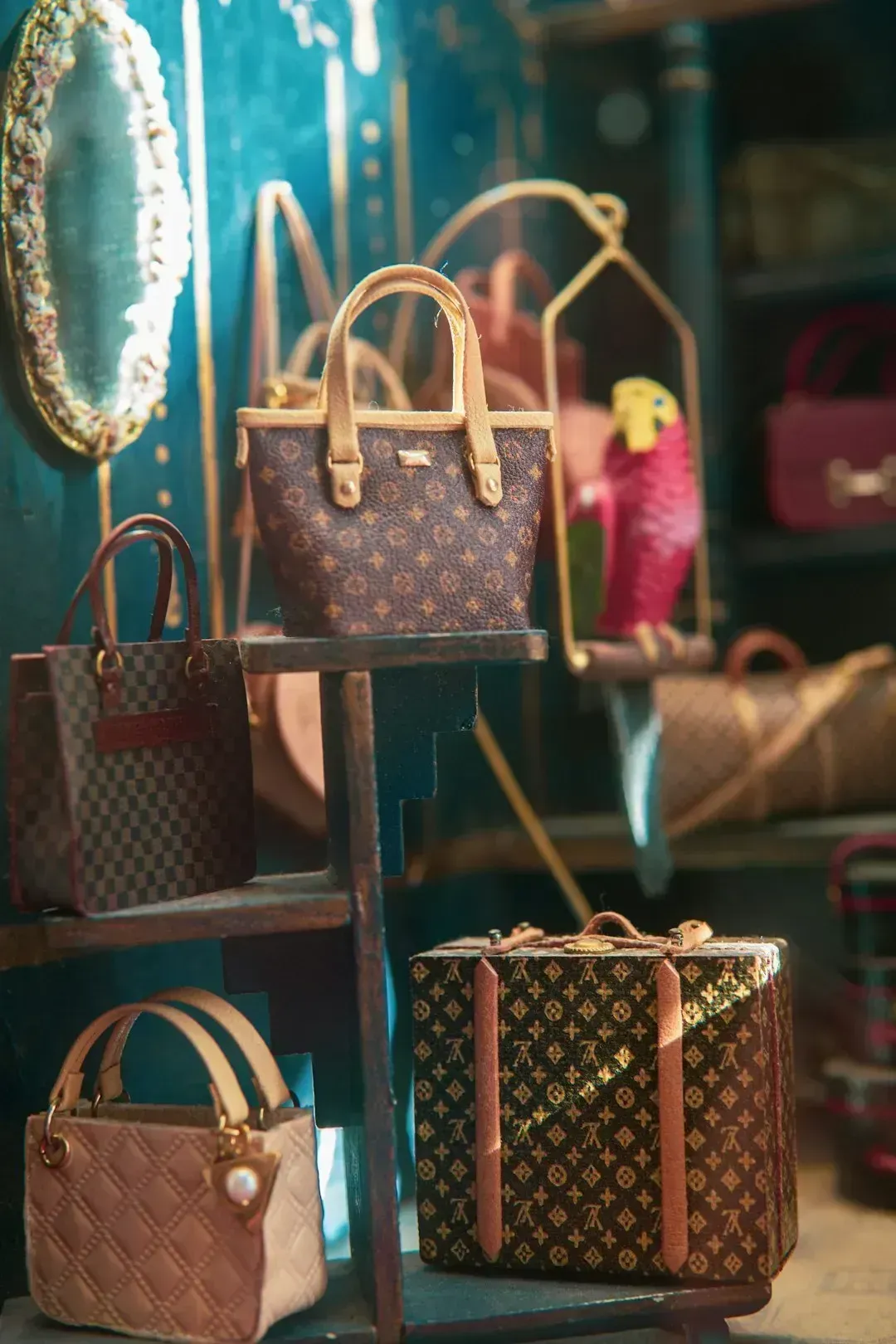
Here’s the thing: some luxury brands share manufacturing facilities with budget retailers. Factories operate with the same workers on the same assembly line making bags for both luxury and mall brands – those bags probably cost $10 or $12 and were sold by mall brands for $100, while the luxury brand was selling it for $1,200. A bag that costs $50 to make is sold for $5,000 simply because it bears a recognizable logo, with profit margins that are astronomical justified by creating a false sense of scarcity and prestige. The primary difference isn’t quality or craftsmanship.
Declining Material Quality
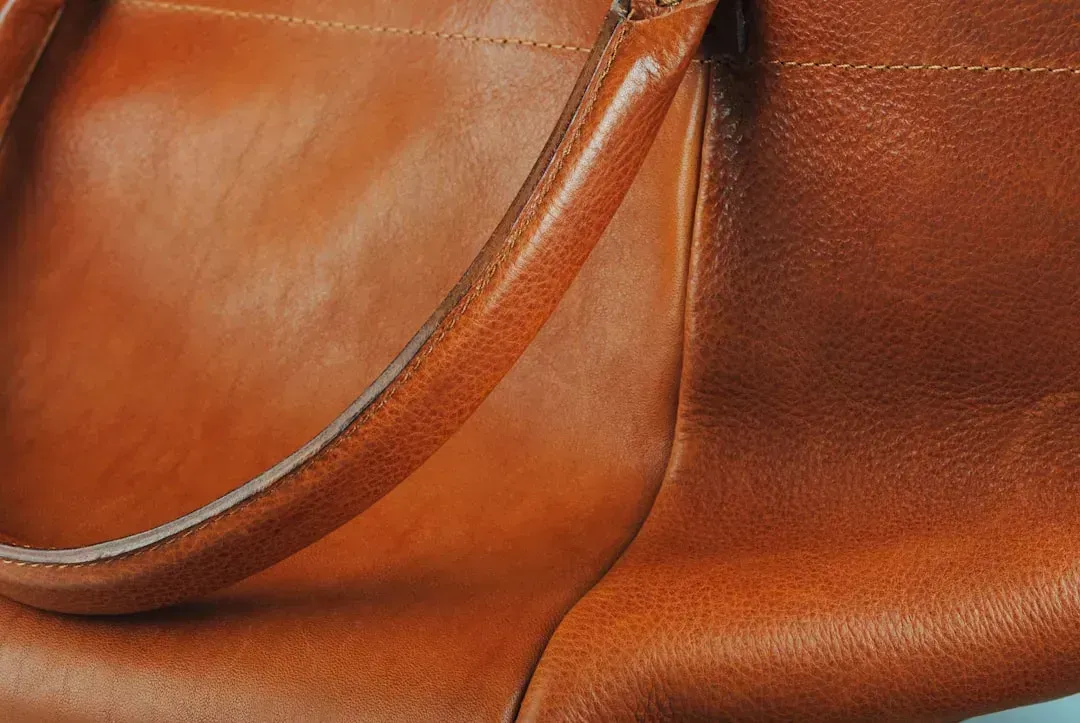
Longtime buyers comparing pre-pandemic purchases to recent releases have observed a decline in material quality, stitching precision, and overall durability – leather goods that once felt buttery-soft now feel stiff, and hardware that was once solid and weighty now seems flimsy. When you’re shelling out thousands of dollars for a handbag, you shouldn’t have to wonder whether the leather feels right. The luxury sector’s exorbitant price hikes have only exacerbated the problem – increasing prices doesn’t mean an increase in quality. It’s hard to say for sure, but many consumers believe they’re getting less for more.
Fast Fashion Production Speeds

The decline in quality in the clothing industry has to do with the rise of brands like H&M and Forever 21, which make clothes with a very short life cycle in terms of style and fashion, and they point to the massive outsourcing of production to low-wage countries. The problem is that luxury brands have started mimicking these practices. A growing number of luxury brands are producing direct to consumer runway shows, which means faster production cycles. Speed and craftsmanship rarely go hand in hand, and luxury shoppers are noticing the difference.
Labor Exploitation and Sweatshop Conditions
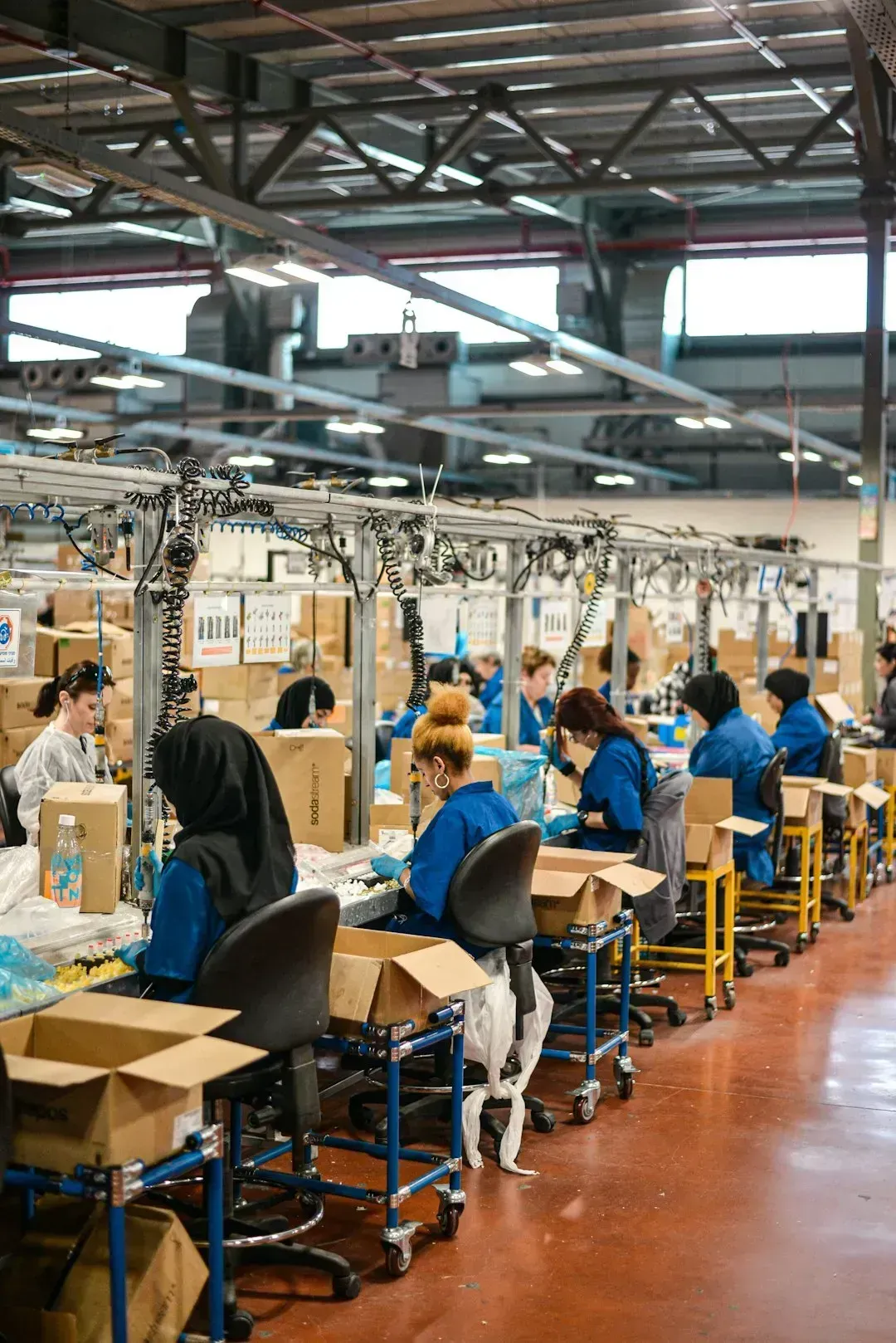
In 2024 and 2025, a series of investigations by Italian prosecutors exposed systemic labor exploitation within the supply chains of several luxury brands, revealing that brands frequently outsourced production to a network of subcontractors – many Chinese-owned – who utilized undocumented labor in sweatshop-like conditions to maximize profit margins. Let’s be real: this isn’t what consumers imagine when they’re paying premium prices. Despite the hefty price tag, designer brands often employ unethical labor practices including hazardous work environments, low wages, and forced labor, and that same lack of transparency applies to their production methods, allowing designer brands to use exploitative labor without question – luxury brands rarely disclose how and where they produce their clothes, what the working conditions are like, and what they pay.
Cheaper Construction Methods Disguised as Style
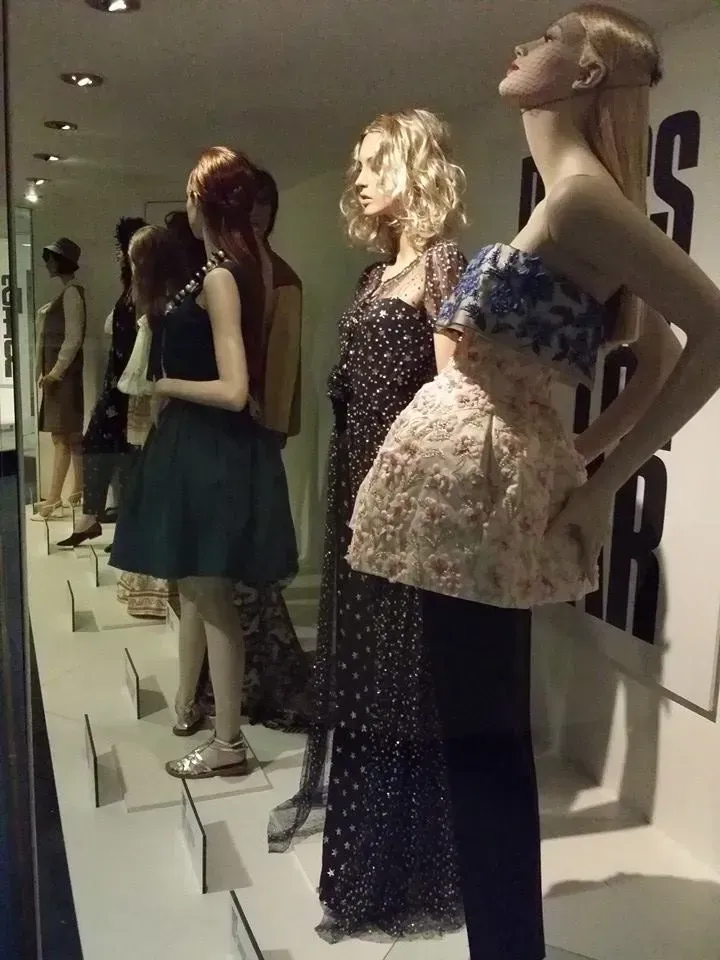
Alber Elbaz told a designer that it’s cheaper to just cut a hem and leave it raw than to fold it and press it over and over again – you’re taking four or five steps out of the process, so it wasn’t just a style trend but an economic one. When aesthetic choices are driven by cost-cutting rather than design innovation, consumers are essentially paying luxury prices for shortcuts. The same applies to glued versus stitched components, raw versus finished seams, and lightweight versus solid hardware.
Products Break Immediately After Purchase
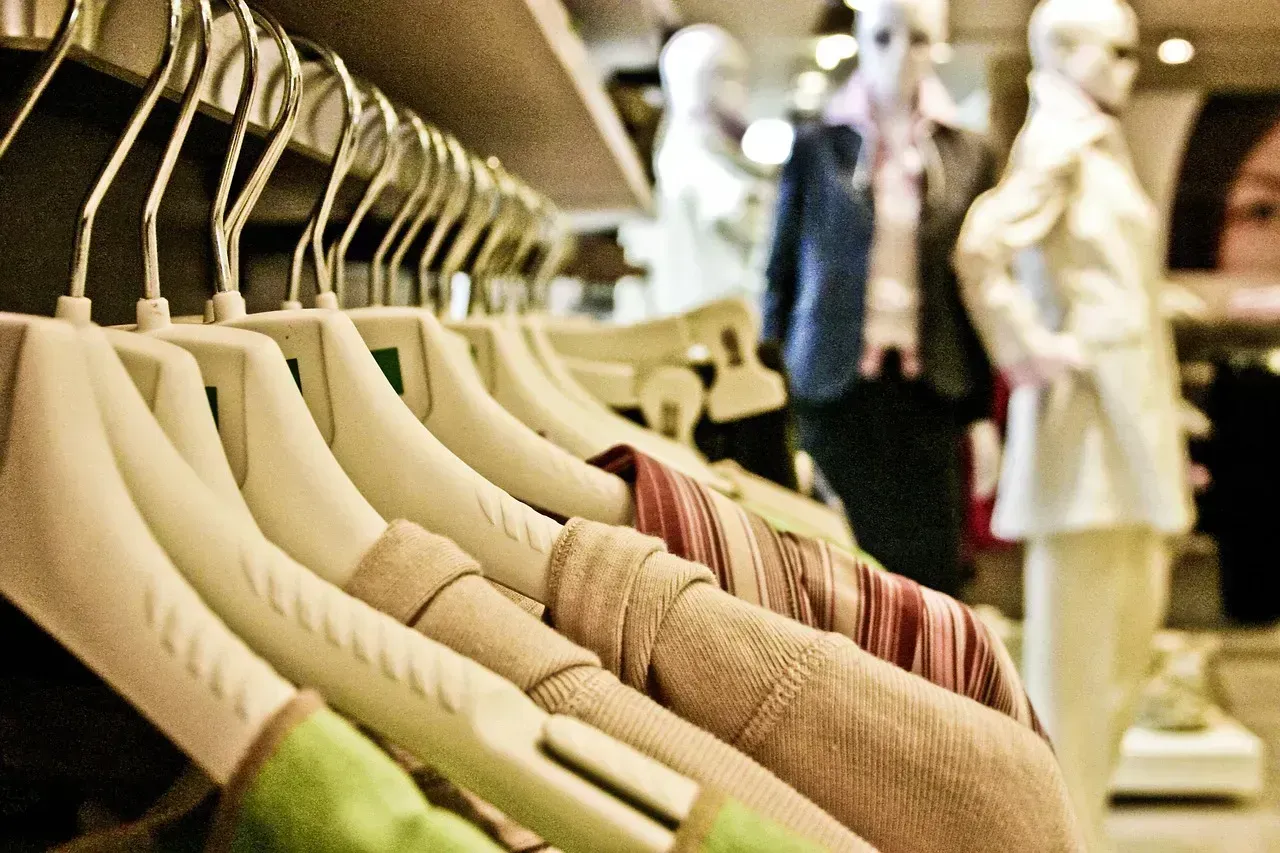
A fashion influencer with over 13 million TikTok followers posted a viral video in early September showing that as soon as he got home with his Miu Miu purchases, everything broke – one gold button on a denim vest came off the instant he opened it, and a brown sweater had a visibly broken silver zip, saying he had never gone and gotten multiple pieces from a place where things are just breaking as soon as he gets home. This isn’t an isolated incident. Consumers are increasingly reporting that their luxury items fail quality control standards almost immediately, which should simply not happen at these price points.
Mass Consumer Exodus and Declining Brand Loyalty
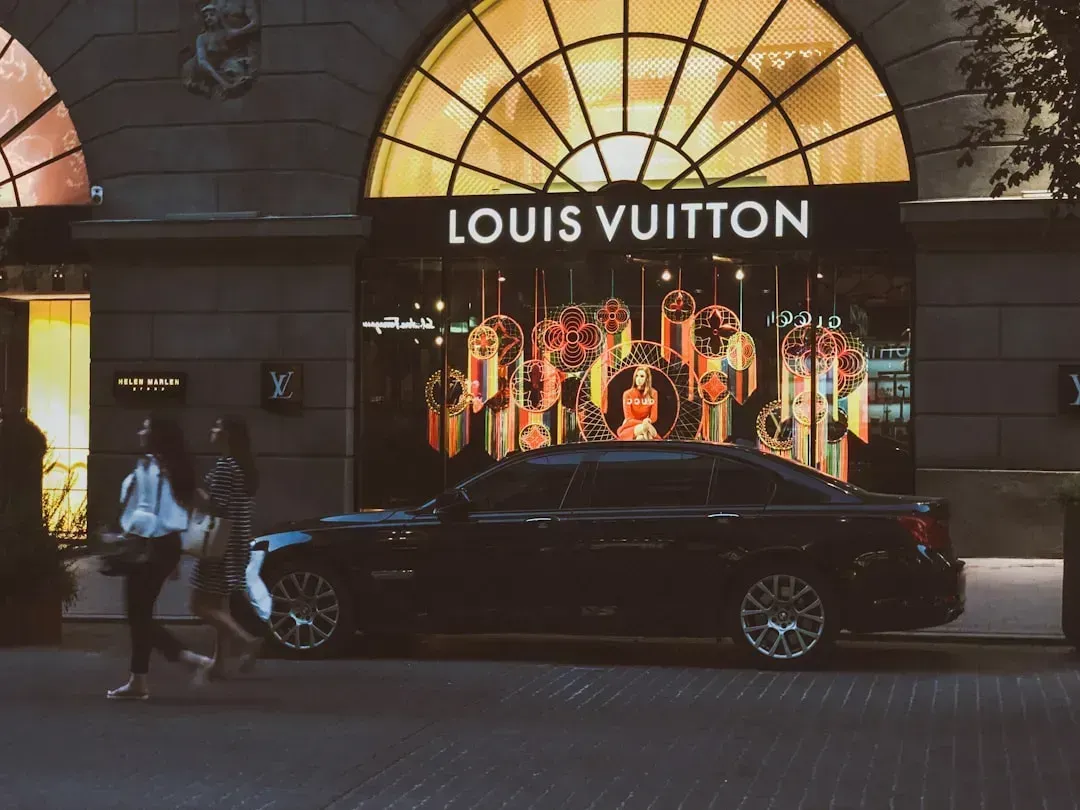
Fifty million luxury consumers exited the market between 2022 and 2024, according to a report published by Bain & Company. That’s a staggering number. The decline in luxury spending is especially noticeable among Gen Z, whose support for luxury brands has continued to decline, reducing the number of luxury customers by a magnitude of about 50 million over the last two years. When your customer base is shrinking this dramatically, it’s a clear sign that consumers no longer believe the value proposition justifies the price.
Consumers Can No Longer Spot the Difference Between Fakes and Originals
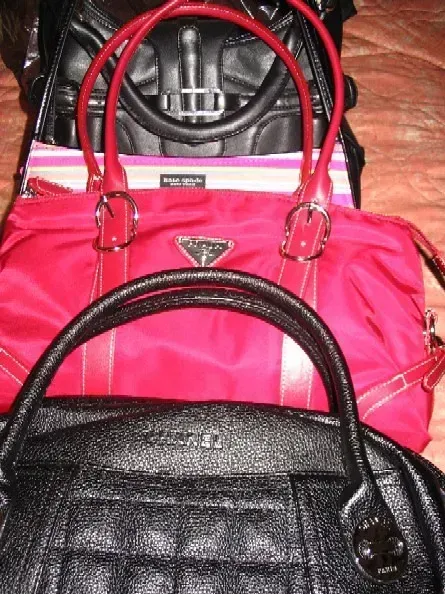
Forbes’ 2024 survey found 82% of luxury shoppers couldn’t spot fakes – up from 75% in 2020 – as quality crept closer to the real thing. Think about that for a moment. Bain’s 2024 report noted counterfeit leather and stitching rivaled mid-tier brands – 80% of $200 Coach bags’ feel for $20, and a Vogue Business teardown of a Shein silk scarf found 60% real silk versus Gucci’s 100%, close enough for 82% of buyers to miss. When the overwhelming majority of consumers cannot distinguish authentic luxury items from counterfeits, it begs an uncomfortable question: what exactly are you paying for?