Why Retiring in 2026 Could Drain Your Savings: The Overlooked Healthcare Cliff
Roughly seventy percent of Americans retire before they become eligible for Medicare, and in 2026, that decision might hit harder than ever before. Here’s the thing: while everyone focuses on investment returns and Social Security timing, a silent budget killer lurks in the shadows. Healthcare costs before Medicare kicks in at age 65 have transformed into a genuine retirement threat, particularly this year.
Medicare Part B premiums are rising by nearly nine and a half percent while the Social Security cost-of-living adjustment stands at only two point eight percent. The numbers tell a stark story, yet most people planning retirement fixate on their nest egg size rather than the expense that could devour it fastest.
Medicare Costs Are Outpacing Social Security Adjustments

Part B premiums are rising by nearly 9.5%, Part A cost-sharing by roughly 3.5%, and the COLA is only 2.8%, representing a real reduction in buying power for millions of retirees. Think about that for a moment. Your income goes up by less than three percent, but your healthcare premiums jump by nearly ten percent.
The standard Part B monthly premium in 2026 is $202.90, and the 2026 Medicare Part B deductible is $283. The Part A deductible for hospital admissions increased to $1,736 in 2026, up $60 from $1,676 in 2025. These are the baseline costs before you factor in prescription drugs, supplemental coverage, or unexpected medical events.
The Pre-65 Coverage Gap Just Got Worse

Let’s be real about the problem nobody wants to discuss. Premium payments in 2026 for people currently receiving the tax credit will more than double, from $888 in 2025 to $1,904 in 2026, if ACA enhanced premium tax credits expire. That’s not a typo. If you’re retiring before age 65, your health insurance could suddenly cost you over twice as much.
A 60-year-old with an income just about the subsidy cutoff line could pay roughly $9,600 more per year, while a 64-year-old nearing the Medicare start age of 65 could see their annual costs more than triple from $5,328 to $16,500. The closer you are to Medicare eligibility, ironically, the more devastating these increases become. It’s hard to say for sure, but many early retirees might find themselves forced back to work simply to afford health coverage for a few more years.
Healthcare Inflation Moves Faster Than General Inflation
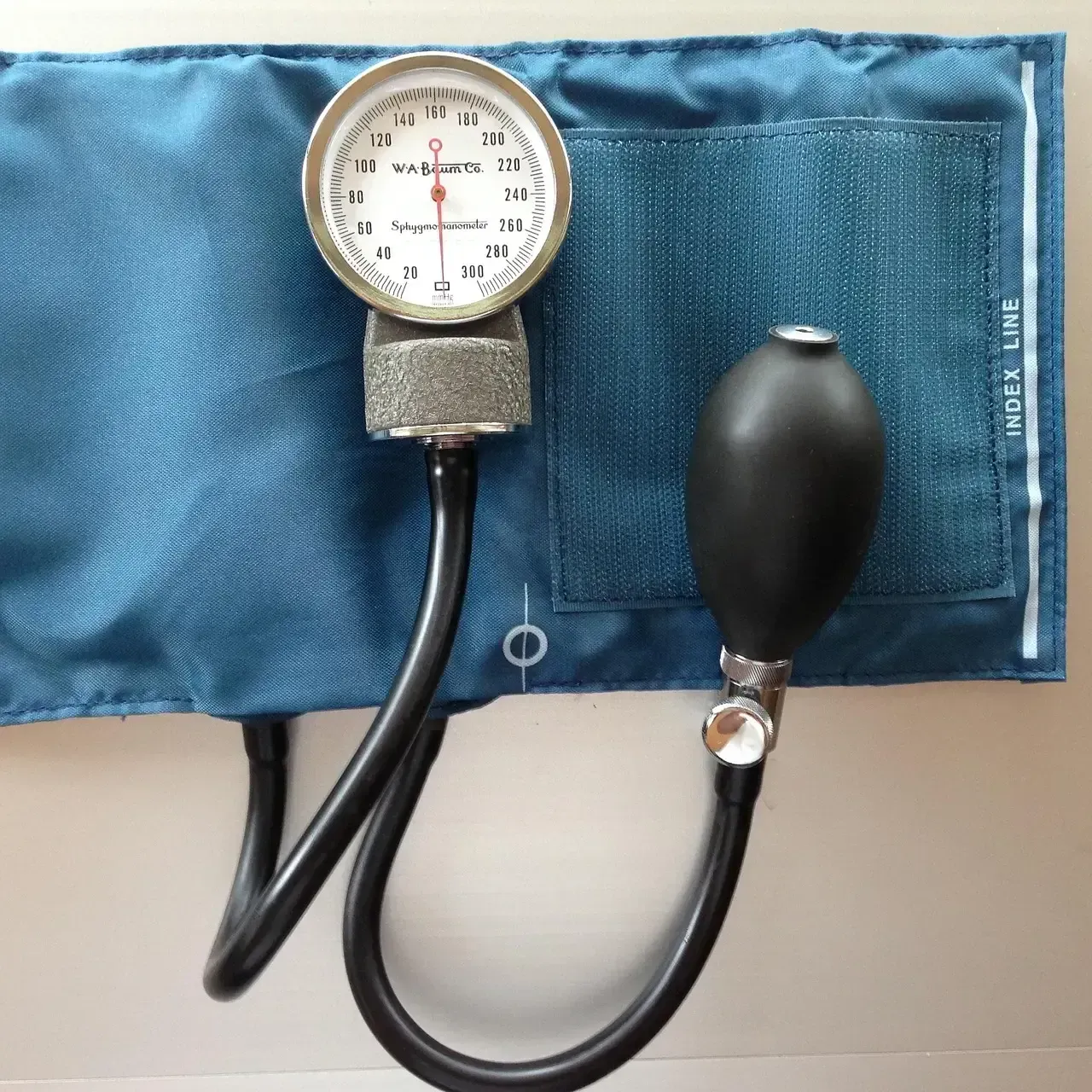
The average price of health care in the United States increased by 3.2% in the 12 months ended December, according to recent government data. Overall prices grew by 3.0% in June 2024 from the previous year, while prices for medical care increased by 3.3%. Medical prices consistently edge ahead of general inflation.
The historical trend shows that healthcare costs rise two to two and a half times faster than overall U.S. inflation, and this pattern is expected to continue. Your dollar loses purchasing power faster when applied to healthcare than almost any other retirement expense. The math becomes brutal over a twenty or thirty-year retirement.
Retirees Will Need Substantially More Savings Than Previously Estimated

According to Fidelity, a 65-year-old retiring in 2025 was expected to spend an average of $172,500 on health care and medical expenses throughout retirement, an increase of 4% or $7,500 over the 2024 estimate. Note that was just for someone turning 65, not someone retiring earlier who needed bridge coverage.
A healthy 65-year-old male who retired in 2025 was projected to spend approximately $275,000 on healthcare expenses during his retirement, while a healthy 65-year-old female was projected to spend approximately $313,000, according to Milliman’s research. Women typically need more savings because they live longer and face higher cumulative costs. A 65-year-old couple could need as much as $366,000 in savings to have a 90% chance of covering their health care expenses, including premiums, deductibles, prescriptions, and out-of-pocket costs.
ACA Marketplace Premiums Surged Dramatically for 2026

Affordable Care Act Marketplace premiums rose an average of 20% nationwide in 2026, with some states seeing premiums jump as much as 67%. This isn’t gradual cost creep anymore. Across 312 insurers participating in the ACA Marketplaces, the median proposed premium increase is 18%.
Insurers in the marketplaces increased their premiums by 26 percent on average, citing factors like rising health care costs and high prices for popular prescription drugs, marking the largest premium increase since 2018. Retiring in 2026 means walking directly into this price spike. Early retirees shopping for coverage face sticker shock unlike anything seen in recent years.
High-Income Retirees Face Additional Medicare Surcharges

If your 2024 AGI was above $109,000 for a single filer or $218,000 for married filing jointly, you paid an extra amount in addition to your plan premium, with that surcharge ranging from $14.50 to $91.00. This Income-Related Monthly Adjustment Amount caught many retirees by surprise.
A high-income couple in the top tier will pay $1,379.80 per month just for Part B, before Part D premiums or IRMAA surcharges. That’s over $16,500 annually just for Medicare Part B for both spouses. Successful savers who diligently built retirement accounts discover their past success now penalizes them with higher healthcare costs.
The COBRA Bridge to Medicare Is Prohibitively Expensive

COBRA provisions let you keep your workplace plan, with federal law requiring companies with 20 or more employees to continue offering health care coverage after employees leave their job, but COBRA premiums are more expensive than what you used to pay, and the coverage will last only 18 months after you leave your job. You’re suddenly responsible for the full premium plus an administrative fee.
The math rarely works in your favor. Most people paid a fraction of their health insurance premium while employed, with the employer covering the majority. COBRA forces you to shoulder that entire burden. For someone retiring at 62 or 63, COBRA might not even bridge the gap to Medicare at 65.
Prescription Drug Costs Add Another Layer of Complexity

In 2026, the cap on out-of-pocket prescription drug costs is $2,100, a $100 increase over the 2025 limit of $2,000, meaning you’ll be liable for an additional $100 in drug costs over the year. The maximum Part D deductible increased to $615, $25 more than the 2025 amount of $590.
These caps provide some protection, yet the deductibles and limits keep rising. If you’re managing chronic conditions or need specialty medications, you’ll likely hit these maximums. The caps prevent catastrophic spending but don’t eliminate significant ongoing costs that chip away at your savings year after year.
Retiring Before 65 Requires Strategic Income Management

Roth IRA distributions don’t count toward MAGI, effectively lowering reported income, and strategically sourcing income from Roth accounts can qualify early retirees for substantial health insurance subsidies of nearly $24,000 annually. Your retirement income sources matter as much as the total amount.
Traditional IRA withdrawals, pension income, and capital gains all increase your modified adjusted gross income, potentially pushing you over subsidy cliffs or into higher IRMAA brackets. Conversely, Social Security benefits (partially), Roth distributions, and certain municipal bond interest don’t count the same way. I think most people underestimate how much tax planning intersects with healthcare affordability in early retirement.
Medical Care Costs Represent a Growing Retirement Budget Share

The projected Part B premium increase will eat up almost a third of the average COLA amount, leaving retirees with only about two-thirds of their COLA left over to cover other expenses. Healthcare isn’t just another line item anymore. It’s becoming the dominant expense category for many retirees.
The average retirement age is 62 for most Americans, three years before Medicare eligibility, and many people assume Medicare will cover all health care costs in retirement, but it doesn’t. That assumption gap causes serious financial strain. Healthcare expenses compound faster than most other costs, and they’re largely non-discretionary. You can delay a vacation or drive an older car, yet you can’t really postpone necessary medical care or skip insurance coverage.
What do you think about these rising costs? The 2026 healthcare environment presents challenges that previous generations of retirees never faced. Tell us in the comments if you’ve adjusted your retirement timeline based on healthcare costs.