6 Traditional American Dishes That Are Getting Harder to Find
Think about the last time you saw certain American classics on a restaurant menu. Can you remember? Probably not, because some of our most iconic comfort foods are quietly slipping away from tables across the country. These dishes once defined American dining culture, gracing everything from roadside diners to bustling cafeteria steam tables. Now they’re fading into memory, casualties of changing tastes, rising costs, and shifting food trends that favor speed over tradition.
Cincinnati Chili
As of 2015, Empress Chili had only two remaining locations, down from over a dozen during the chain’s most successful period, signaling a troubling decline for this regional specialty. Of the dozen chili parlors covered in a 2013 documentation, four have closed and another has relocated, with three of the closures being a brand’s only location. This Mediterranean-spiced meat sauce served over spaghetti has been a Cincinnati staple since the 1920s, but finding authentic versions outside the Queen City is increasingly difficult.
The dish’s unique preparation sets it apart from Texas-style chili. It features unexpected spices like cinnamon, nutmeg, and allspice, creating a flavor profile that either captivates or confuses diners. Even in 2024, rising food and rent costs, labor shortages, reverberating effects of the COVID-19 pandemic and inflation continue to create obstacles establishments have to face to keep the doors open. Those independent chili parlors that survive do so through fierce loyalty from local customers who understand the beauty of a proper three-way.
Chicken Fried Steak
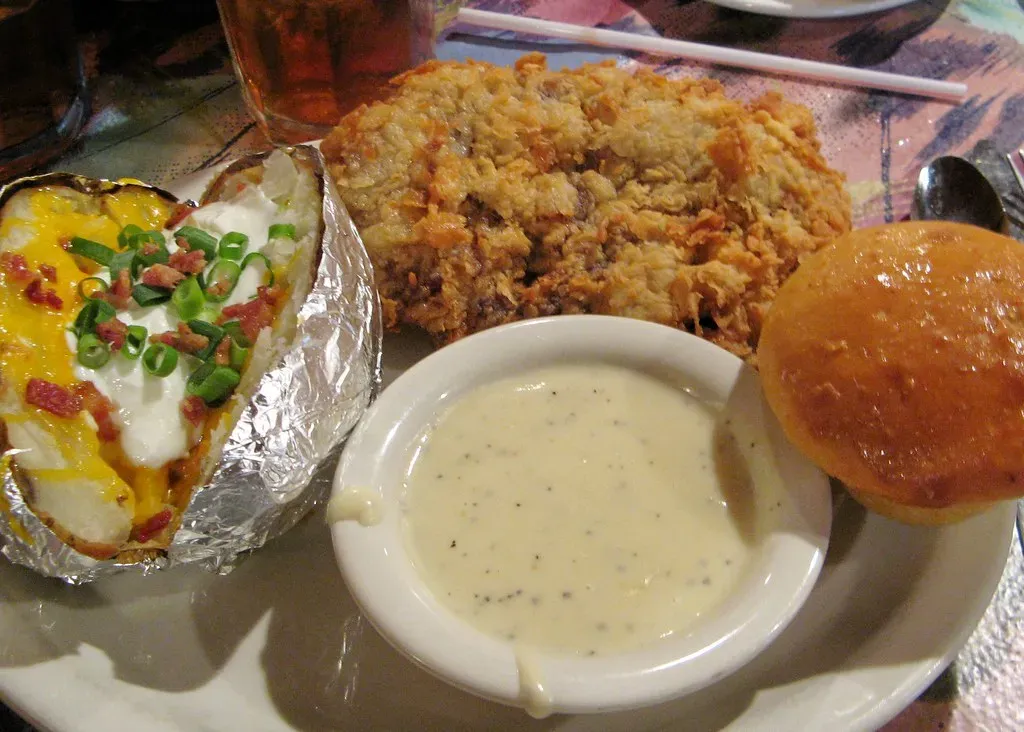
This Southern comfort food icon is slowly disappearing from chain restaurant menus across America. Believed to have descended from German Wiener Schnitzel in the 19th century, the recipe consists of a beef cutlet rolled in a mixture of milk, eggs, and spiced flour that forms a delectable golden-brown crust when fried. There are few dishes more closely associated with family-style restaurants than country fried steak, though Cracker Barrel now operates over 650 U.S. locations, making it one of the few remaining chains where you can reliably find the dish.
The problem? Preparing chicken fried steak properly requires time, skill, and quality ingredients. Many restaurants have dropped it from their menus because it doesn’t fit the fast-casual model dominating today’s dining landscape. When you do find it, the quality varies wildly. Some versions taste like reheated cafeteria food, while others deliver that perfect combination of crispy coating and tender meat smothered in creamy gravy that made this dish famous in the first place.
Horn & Hardart Automats

The last New York Horn & Hardart Automat closed on April 9, 1991, ending nearly a century of coin-operated dining that once defined urban American food culture. At their peak, there were nearly 200 locations serving 800,000 people a day. These Art Deco temples to efficiency allowed customers to insert nickels into slots and retrieve freshly prepared meals from gleaming glass compartments, a revolutionary concept that preceded modern fast food.
The rise of fast-food chains during the 1950s and 1960s posed tough competition, as the increasing demand for quicker dining options from franchises like McDonald’s and Burger King led to a decline in automat popularity, with their fixed sit-down dining concept unable to keep up. The famous Horn & Hardart coffee, once sold for just a nickel, became legendary among New Yorkers. There has been a renewed interest in Automats in the restaurant sector, and in 2024 Horn & Hardart set plans in motion to bring back its Automat, though nothing has materialized yet.
Liver and Onions
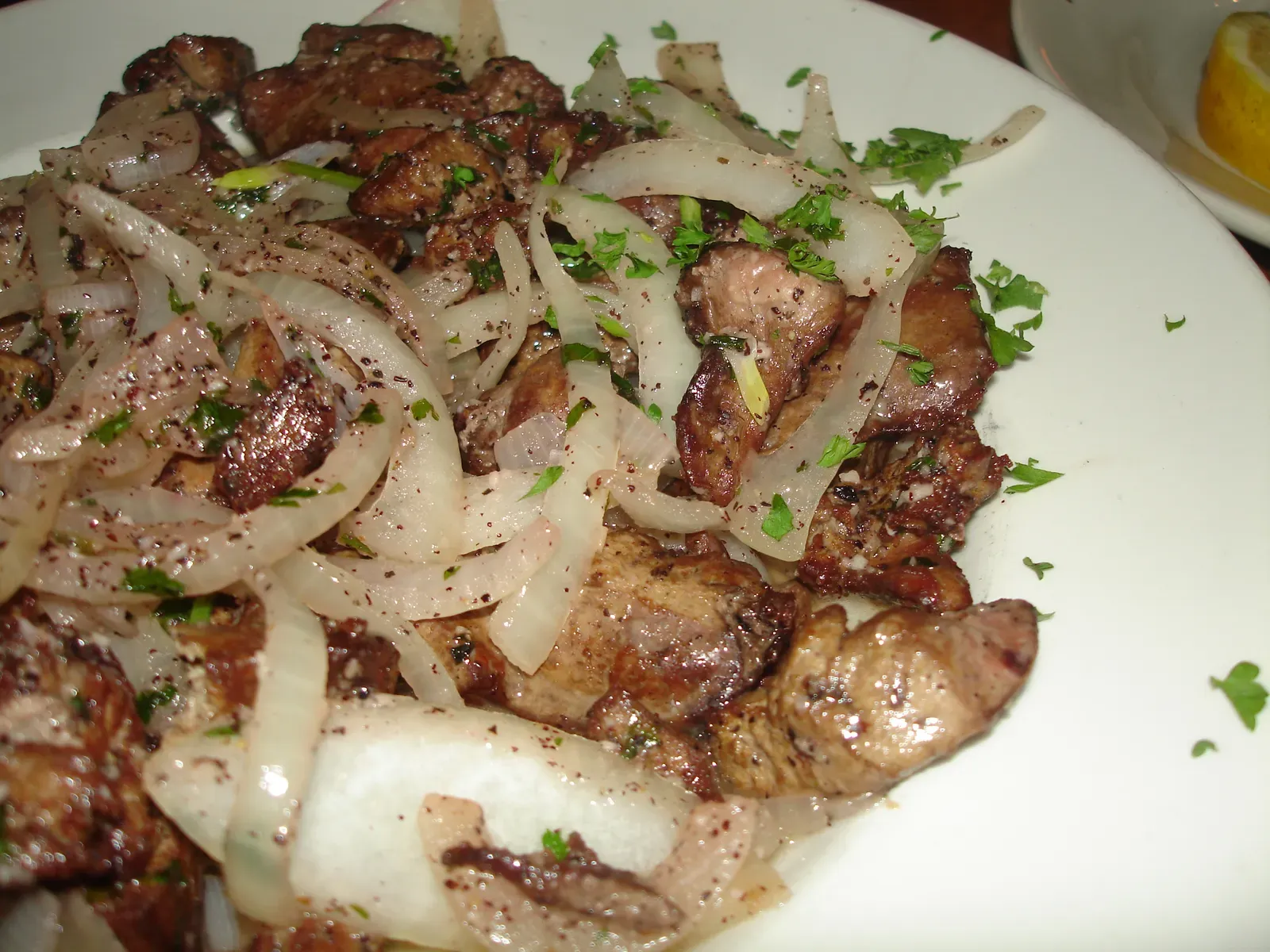
It was a popular dish in wartime America, when harder times made people less picky about their meat cuts, but in the early 20th century it fell out of fashion as liver was abandoned in favor of milder-tasting meats like chicken breast and ground beef. This organ meat preparation once occupied a permanent spot on diner menus nationwide. In America, it reached the height of its popularity during and shortly after World War II when the U.S. government launched a campaign to bring organ meats to the American dinner table so premium cuts could be shipped to soldiers overseas.
Today, finding liver and onions requires serious detective work. The dish’s metallic, mineral-rich flavor doesn’t appeal to modern palates raised on chicken tenders and pizza. Once a staple of restaurant menus and cafeteria steam tables, liver and onions was perhaps the best-loved organ-meat dish, and in the 1930s, even the children’s menu at the Harvey House restaurant had a beef liver dish because it was considered so healthy. High-protein diets and high-profile health coaches have started to change the tide of public opinion toward liver, getting a rebrand as “the original superfood”, though whether this translates to more restaurant offerings remains uncertain.
Salisbury Steak
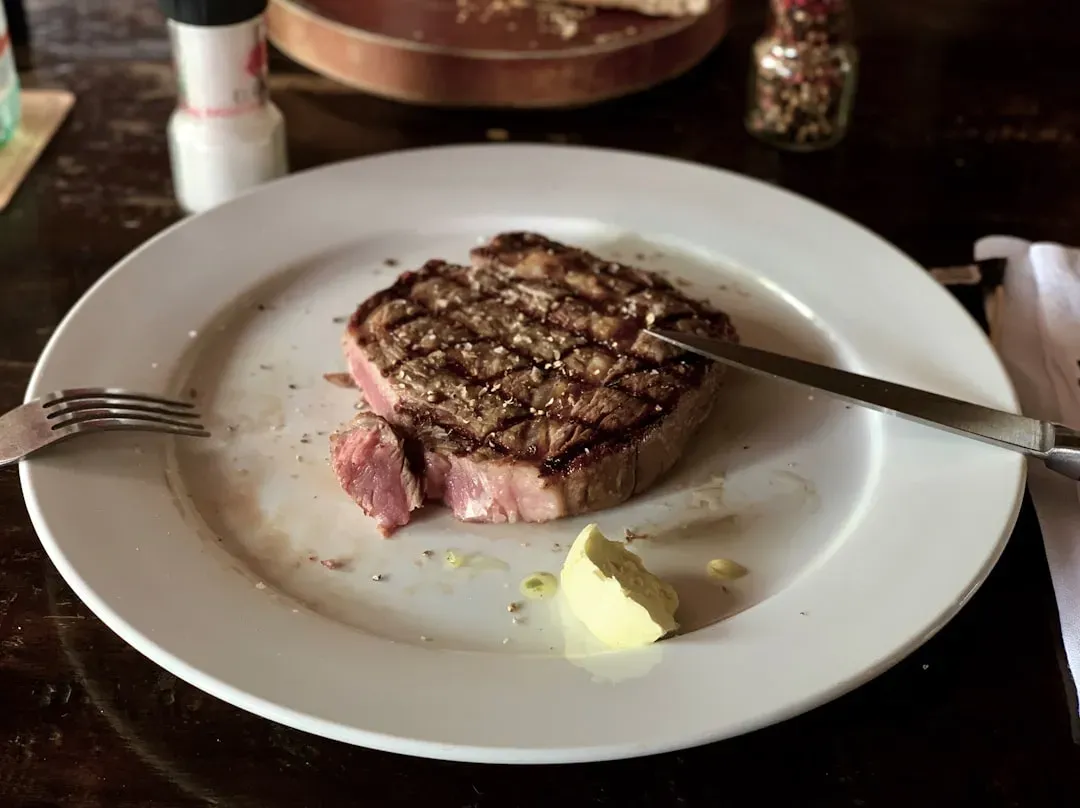
Fast forward to 2024, and Salisbury steak has become a relic of TV dinners and school cafeterias, with people associating it with bland frozen meals rather than the hearty home-cooked version grandparents once made. Named after Dr. James Salisbury, who promoted minced beef as a health food in the 19th century, this ground beef patty smothered in mushroom gravy used to be a dinner table staple. Now it’s virtually extinct outside of frozen food aisles and institutional cafeterias.
The decline makes sense when you consider what happened to American dining habits. Why order Salisbury steak when you can get a gourmet burger instead? The dish suffered from an identity crisis, caught between being too fancy for fast food and too pedestrian for sit-down restaurants. Younger generations have no nostalgic connection to it, and restaurants see no reason to revive a dish that reminds people of mediocre school lunches. It’s cheap to make, nutritious, and filling, yet those qualities can’t overcome its outdated reputation.
Jell-O Mold Salads
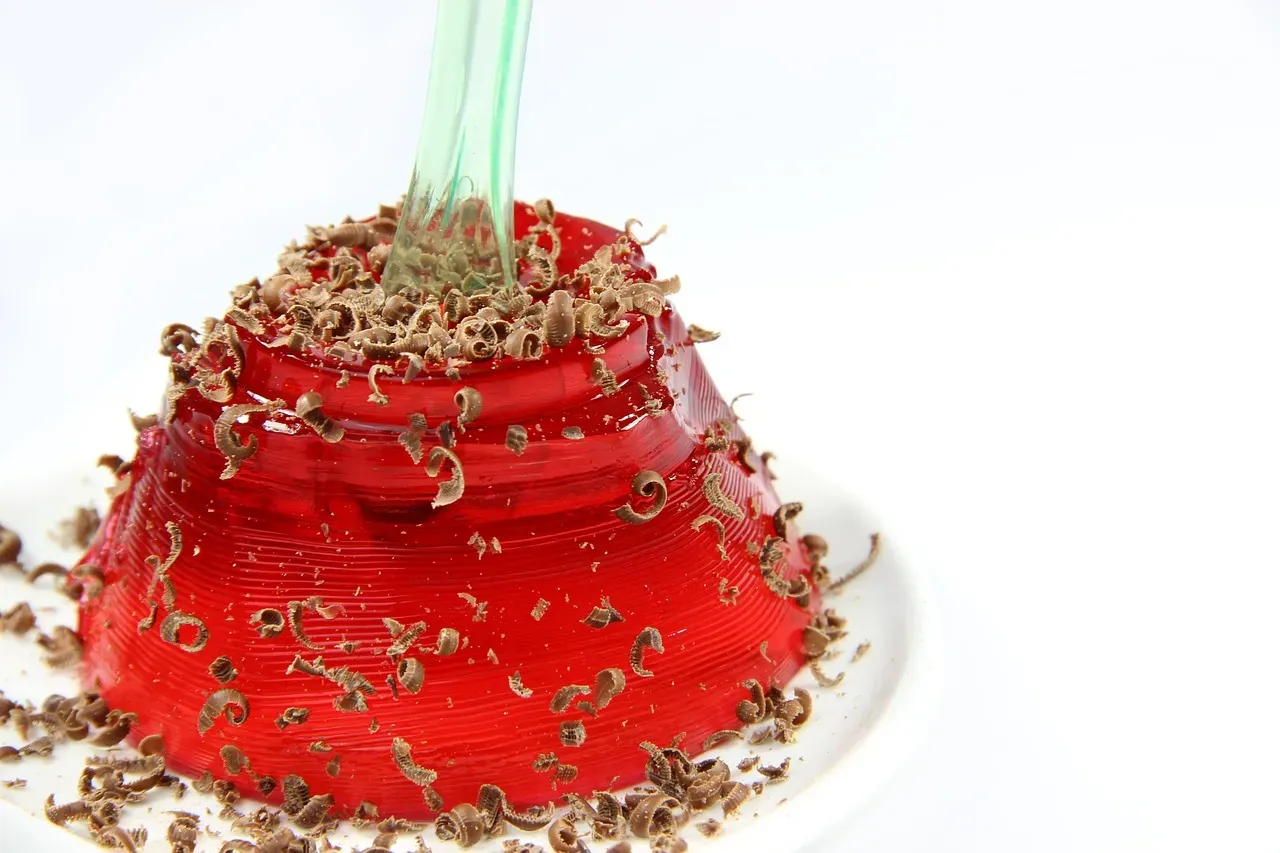
Younger people nowadays might be startled to see one on their Thanksgiving table, though Jell-O is celebrating its 125th anniversary in 2025 with new Thanksgiving-themed mold desserts. These wobbly, translucent creations were once the height of mid-century American sophistication, gracing holiday tables and potluck dinners with their jiggly presence. They came in endless variations featuring suspended fruit cocktail, miniature marshmallows, shredded carrots, or even seafood.
As culinary tastes evolved towards simpler, more natural flavors, health consciousness grew, leading to a preference for less processed foods. The elaborate molded salads required time and refrigerator space that modern cooks don’t have or won’t spare. Instagram-worthy food trends favor fresh, colorful ingredients photographed in natural light, not artificially colored gelatin. Still, these dishes represent something important about American food history: our love of novelty, our faith in processed convenience foods, and our desire to make even simple meals feel special.
What happened to these disappearing dishes tells us something revealing about American culture. We’re always chasing the next food trend, abandoning traditions without much thought for what we’re losing. Maybe that’s progress, or maybe we’re giving up flavors and experiences worth preserving. Either way, if you want to taste authentic Cincinnati chili or a properly made chicken fried steak, you’d better act fast before they vanish completely.