Easy Ways to Practice Gratitude Every Day
Start a short morning reflection

Before checking your phone or diving into the day’s obligations, take sixty seconds to think of one thing you are looking forward to or thankful for. This does not need to be profound. It could be a good cup of coffee, a conversation you had yesterday, or simply a decent night of sleep.
The point is to set a tone before the day’s stress has a chance to take over. Doing this consistently, even briefly, trains your mind to notice positive details rather than only registering problems.
Keep a gratitude journal, even a messy one
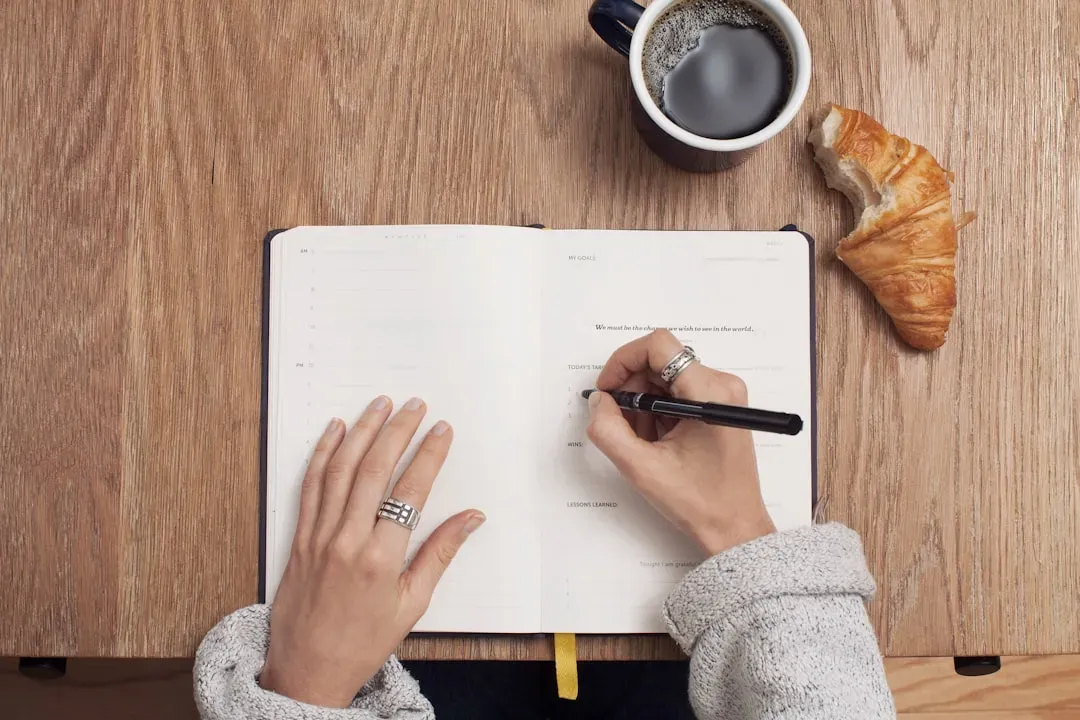
Writing things down tends to make them stick better than just thinking them. A gratitude journal does not need to be elaborate or well organized. A few scribbled lines in a notebook or a notes app before bed can be enough.
Some people prefer listing three things each night, others jot down a single sentence about what stood out. Either approach works because the goal is reflection, not perfect prose.
Say thank you and mean it
It sounds almost too simple, but verbally acknowledging people around you carries more weight than most of us realize. A specific thank you, one that names what someone did and why it mattered, lands differently than a quick automatic response.
This habit costs nothing and takes seconds, yet it reinforces gratitude as something active rather than just an internal feeling. It also tends to strengthen relationships, since people notice when their efforts are recognized.
Notice small moments throughout the day
Gratitude does not have to be reserved for big milestones or special occasions. Ordinary moments, a warm meal, a quiet commute, a text from a friend, count just as much.
Training yourself to pause and notice these small things, even for a few seconds, builds a habit of awareness. Over time, this shifts how you experience an average day, rather than saving appreciation only for exceptional events.
Use visual reminders
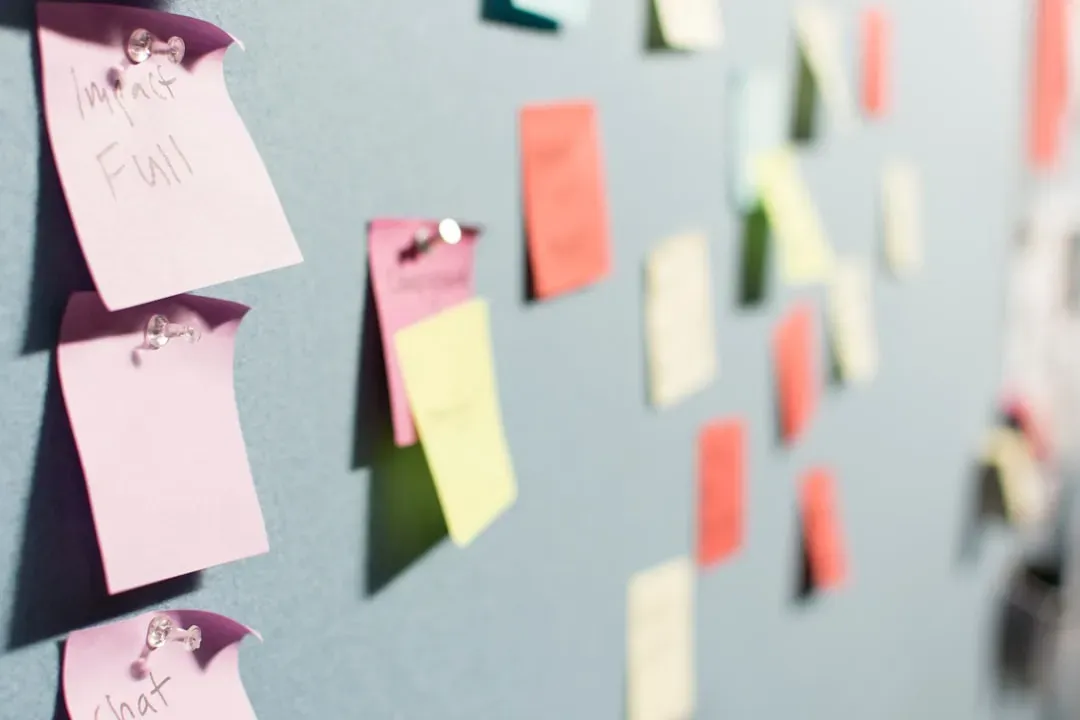
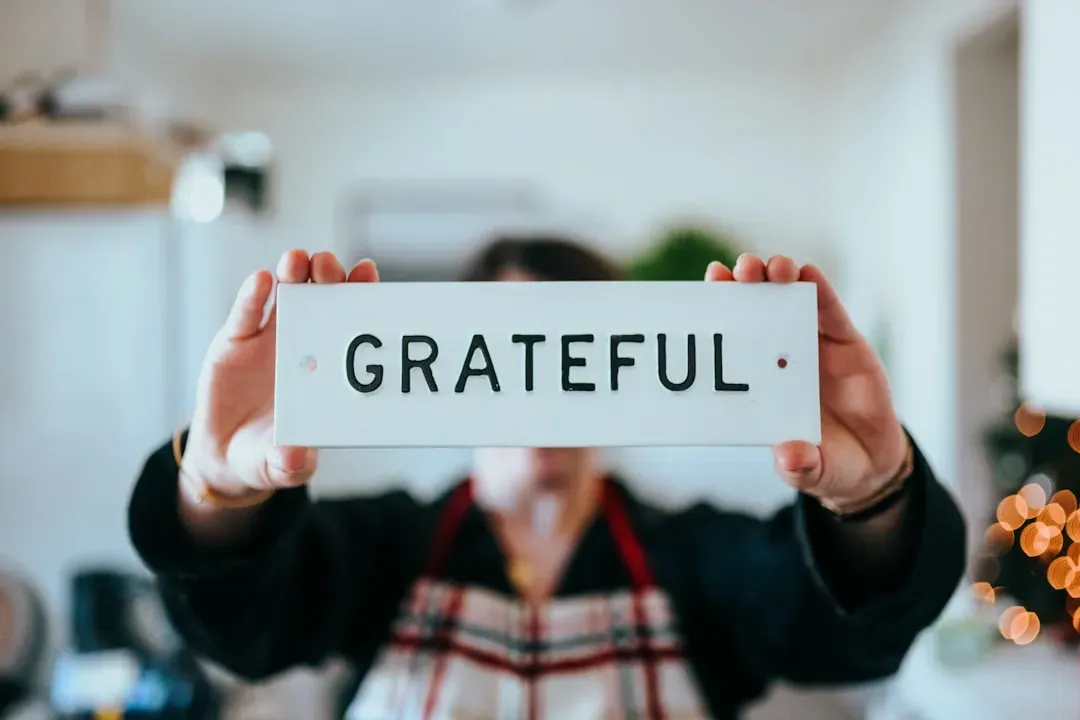
Sticky notes, phone wallpapers, or a simple object on your desk can serve as quiet prompts to pause and reflect. These reminders work because gratitude is easy to forget amid a busy schedule, not because people lack the intention.
A visual cue interrupts autopilot mode for a moment, giving you a chance to acknowledge something positive before moving on. It does not need to be elaborate. Even a single word written somewhere visible can do the job.
Pair gratitude with an existing habit
New habits are easier to maintain when they are attached to something you already do daily. Brushing your teeth, making coffee, or locking your front door are all natural anchor points.
Attaching a brief moment of reflection to one of these routines removes the burden of remembering to do it separately. This kind of habit stacking is a well recognized way to make small practices stick without relying purely on willpower.
Reframe challenges instead of ignoring them
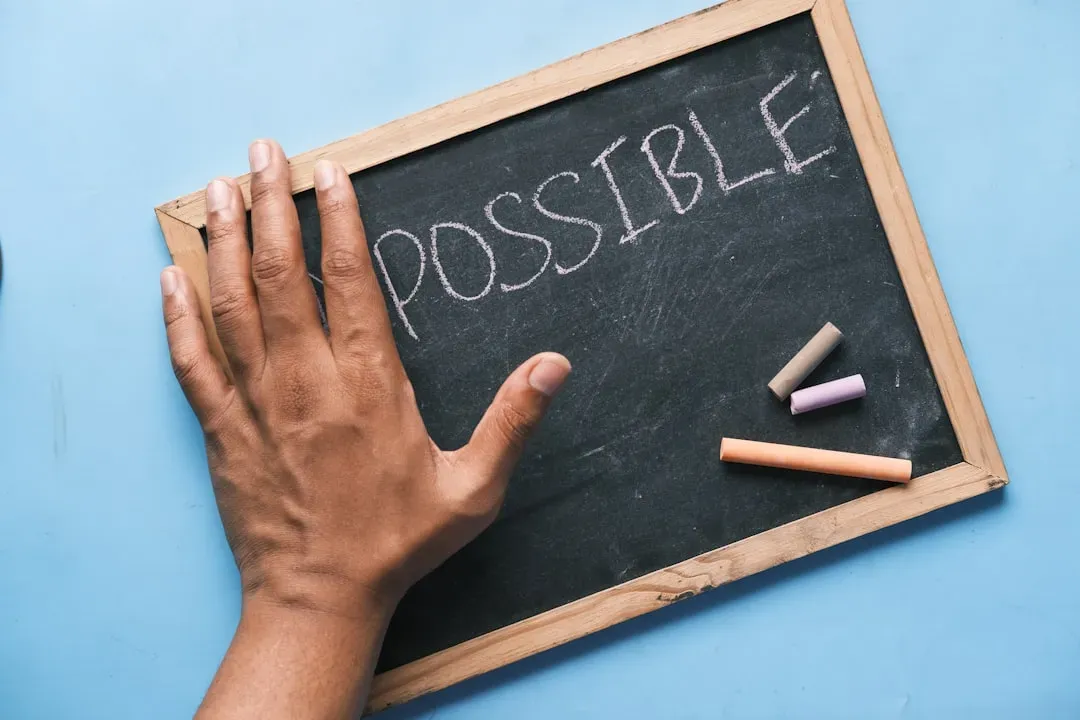
Gratitude is not about pretending everything is fine or ignoring genuine difficulties. Instead, it often works better as a lens for finding something useful even within a hard situation, whether that is a lesson learned or support received from others.
This approach avoids toxic positivity while still encouraging a more balanced perspective. It also tends to make setbacks feel less isolating, since it draws attention to the people or resources that help you through them.
Share appreciation with others regularly

Gratitude does not have to stay private. Telling a friend, family member, or coworker specifically what you appreciate about them can deepen relationships and reinforce the habit for you as well.
This does not need to be a formal gesture. A quick message or a passing comment during conversation is often enough to make an impact, both for the person receiving it and for your own mindset.
Revisit gratitude entries occasionally

If you keep any kind of written record, whether a journal or a running note on your phone, take time now and then to look back at previous entries. This is especially useful on harder days when it is difficult to think of anything positive in the moment.
Rereading past reflections can remind you of patterns, good people in your life, or moments you had genuinely forgotten. It reinforces that gratitude is not a one time exercise but a habit that accumulates value over time.
Final thoughts
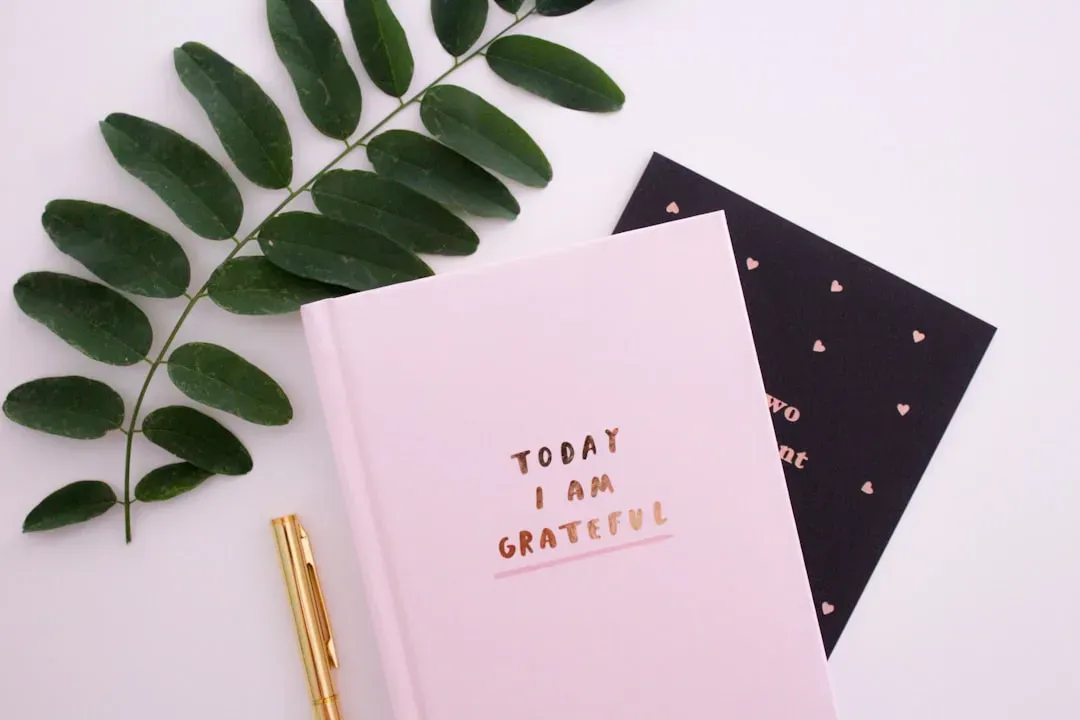
None of these practices require major lifestyle changes or significant time investment. What they ask for is attention, a willingness to notice what is already going well rather than waiting for something extraordinary to appreciate.
Built into daily life gradually, gratitude becomes less of a task and more of a habit of mind. The effort is small, but the shift in perspective it creates over weeks and months tends to be far from small.