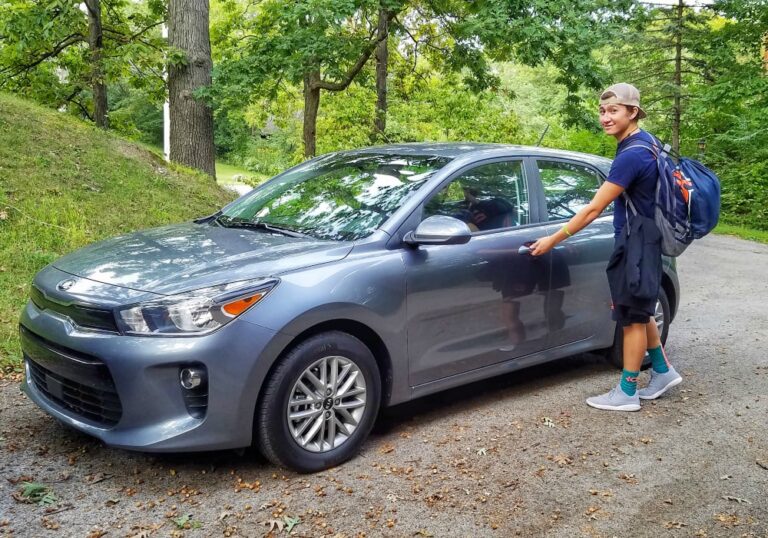
Easy Tips for Traveling with Dogs
Visit the vet before you go
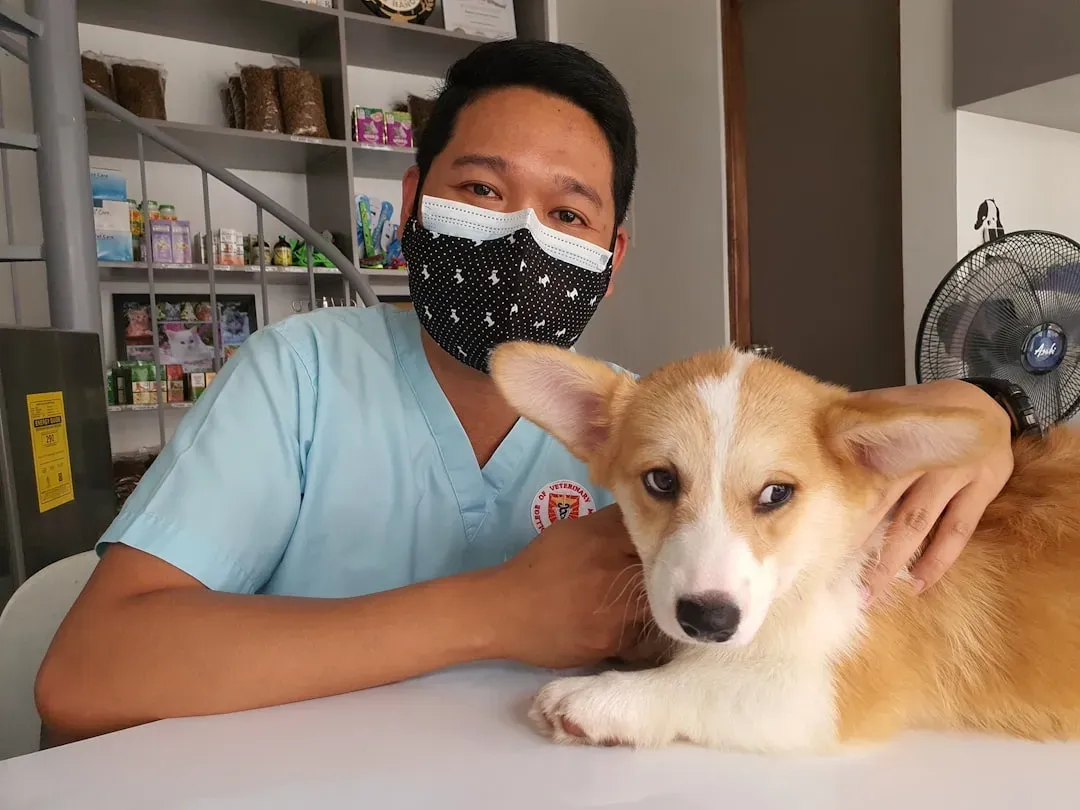
A checkup before any significant trip is worth the time, especially if your dog hasn’t traveled much or has any ongoing health issues. Vaccinations, parasite prevention, and a general health assessment can catch small problems before they become bigger ones on the road. This is also the moment to ask about motion sickness remedies if your dog tends to get queasy in the car.
Bring a copy of vaccination records, particularly if you’re crossing state or international borders. Many hotels, campgrounds, and even some parks ask for proof of rabies vaccination, so having it handy saves a headache later.
Get your dog used to the car early
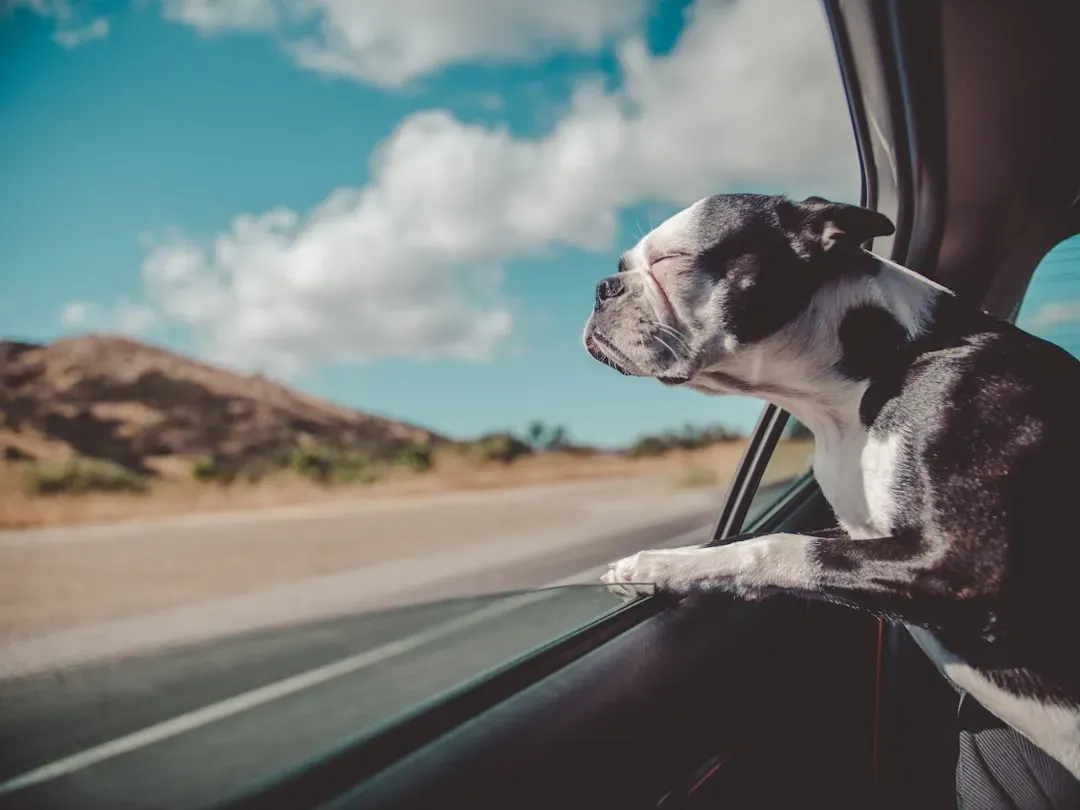
that aren’t accustomed to car rides can find long drives stressful, which makes short practice trips beforehand genuinely useful. A few quick outings to the store or a nearby park can help a nervous dog build tolerance before the real trip begins.
Watch for signs of anxiety like excessive panting, whining, or drooling. If those show up during practice runs, it’s better to address them now with gradual desensitization rather than mid road trip.
Invest in a proper restraint system
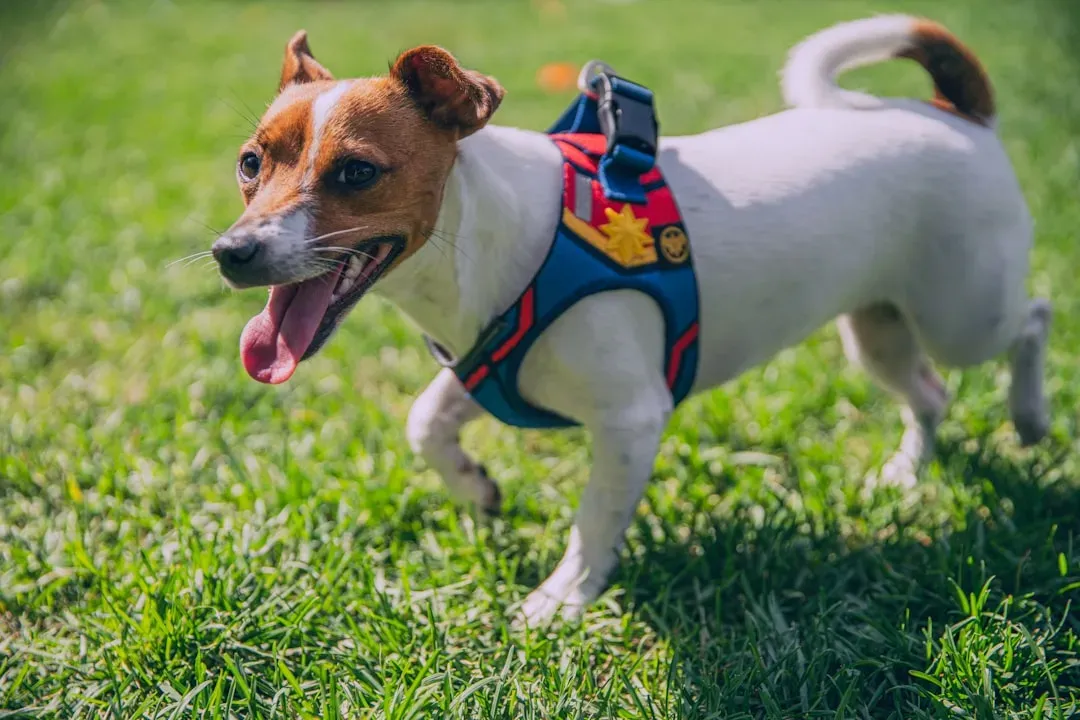
An unsecured dog in a moving vehicle is a risk to itself, to passengers, and to the driver’s ability to focus. Crash tested harnesses, secured crates, or dog seat belts all offer better protection than letting a dog roam free in the back seat.
The right choice depends on the dog’s size and temperament. Smaller often do well in a secured carrier, while larger breeds may need a heavier duty harness anchored to the seat belt system.
Pack familiar items from home
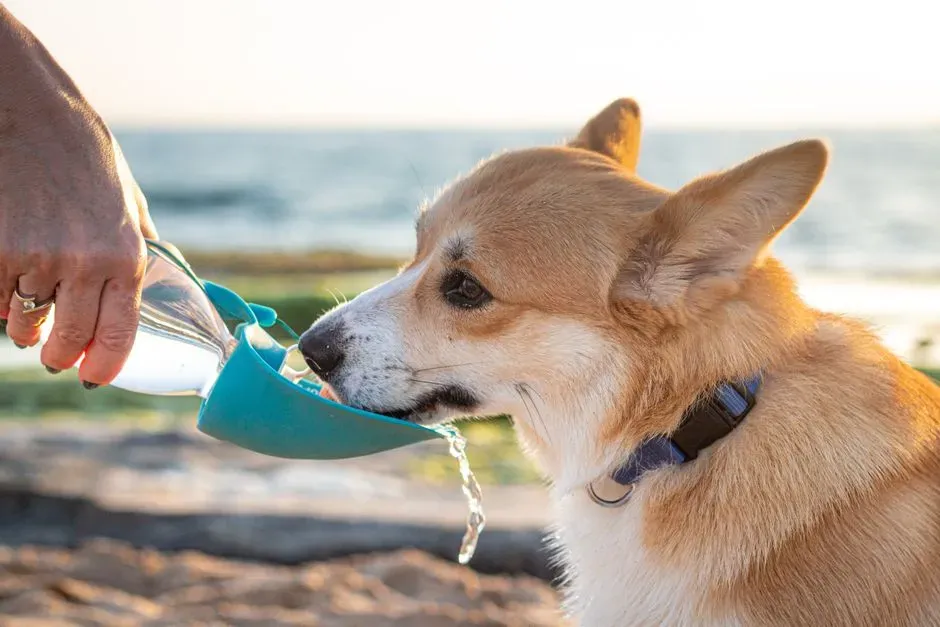
A favorite blanket, a well loved toy, or even a piece of unwashed clothing that smells like home can be surprisingly comforting in unfamiliar surroundings. Familiar scents and objects help settle into hotel rooms or campsites more easily.
Don’t forget the basics either: enough food for the whole trip plus a few extra days, a collapsible water bowl, and any medications on a strict schedule. Running out of a specific dog food mid trip can trigger stomach upset, so it pays to overpack slightly rather than assume you’ll find the same brand somewhere along the way.
Plan frequent stops on road trips
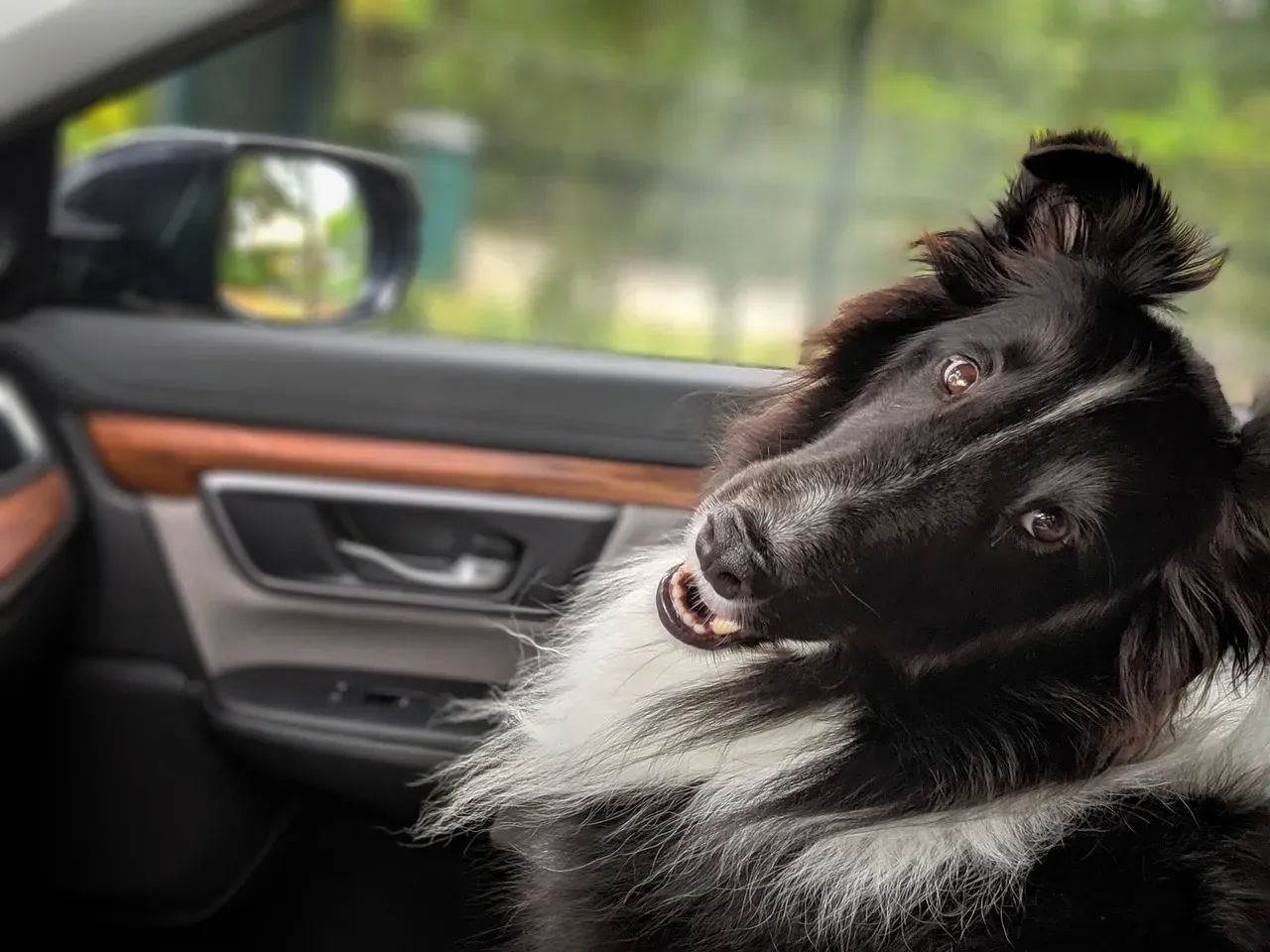
need bathroom breaks, water, and a chance to stretch their legs just like people do, arguably more often. Stopping every couple of hours at a rest area or park lets your dog relieve itself and burn off some pent up energy from sitting still.
These breaks also give you a chance to check on how your dog is handling the trip overall. A dog that’s unusually lethargic or restless might be telling you something worth paying attention to.
Never leave a dog alone in a parked car
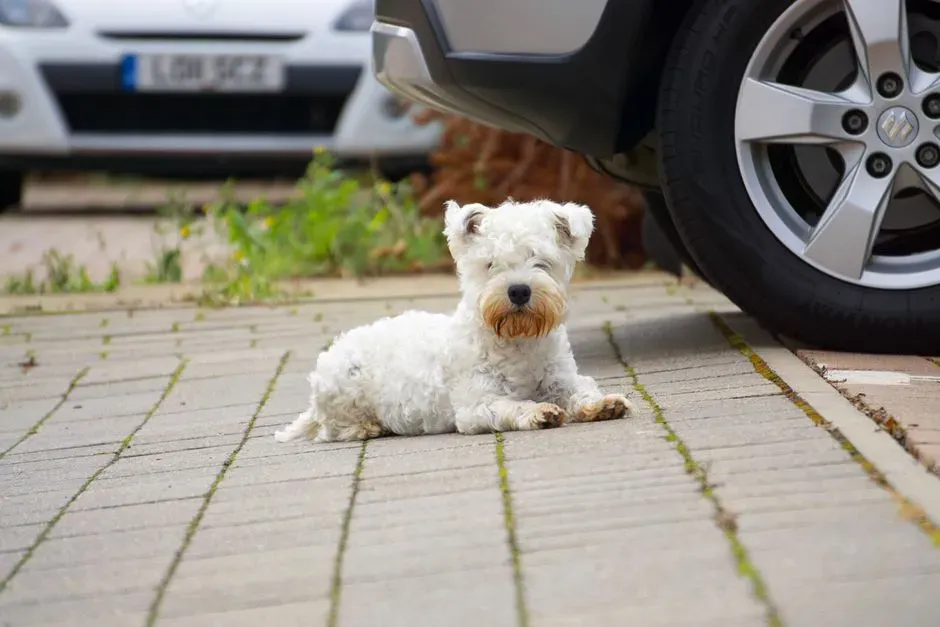
This one is worth repeating because the consequences of ignoring it can be severe. Temperatures inside a parked car can climb dangerously fast, even on days that don’t feel especially hot outside, and cracking a window does very little to offset that risk.
If you need to stop somewhere that doesn’t allow , look for pet friendly alternatives or drive through options instead. It’s an extra bit of planning, but it removes the temptation to leave your dog unattended even briefly.
Check pet policies before booking accommodations
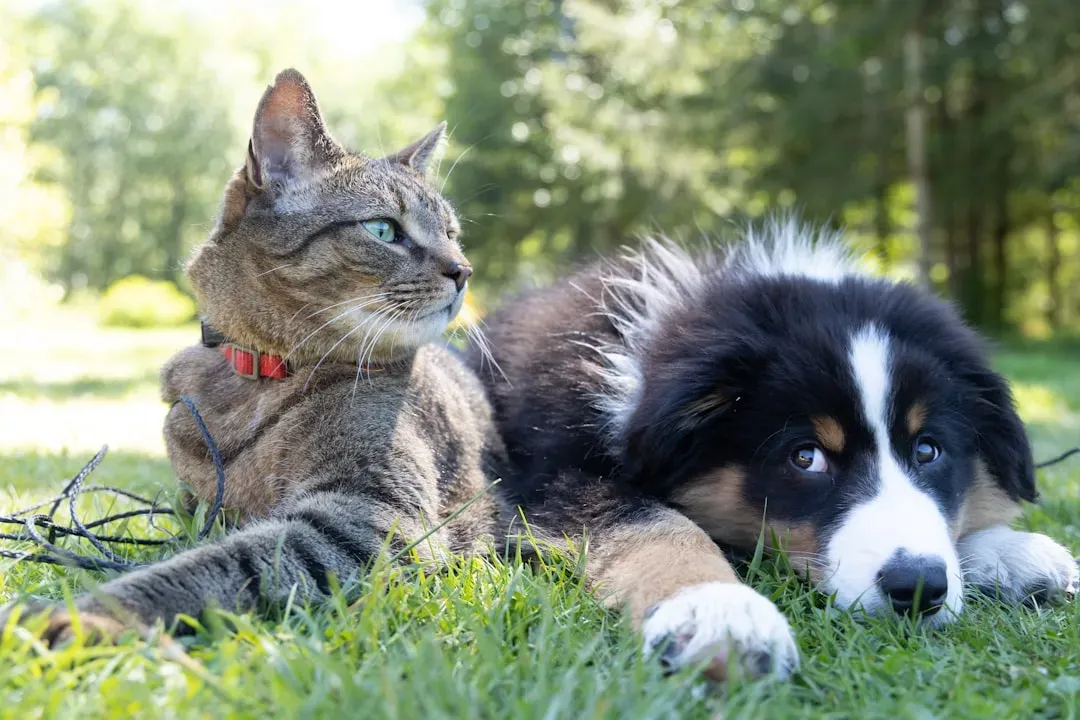
Not every hotel, rental, or campground welcomes pets, and the ones that do often have specific rules about size limits, additional fees, or designated pet areas. Calling ahead or checking the property’s website avoids an awkward surprise at check in.
Some places also require to be crated when left alone in the room, which is useful to know before you arrive so your dog isn’t caught off guard by an unfamiliar routine.
Make sure identification is current

A collar with an up to date ID tag is a basic safeguard, but it’s worth pairing with a microchip registered to your current contact information. Traveling puts in unfamiliar environments where the chance of getting spooked and running off is higher than at home.
Consider adding a temporary tag with your cell phone number and travel dates, since a permanent home address won’t help much if you’re several states away when your dog goes missing.
Research pet friendly activities at your destination
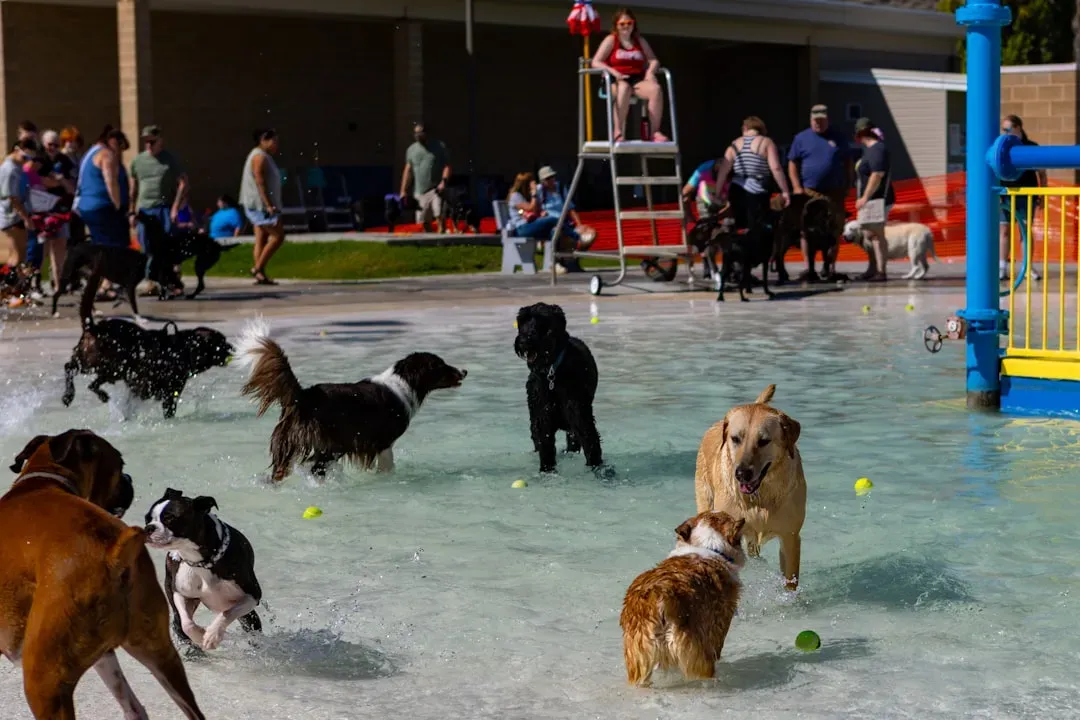
Some parks, beaches, and hiking trails welcome without much restriction, while others have strict leash rules or ban pets outright. A quick search before you leave saves you from planning an outing your dog can’t actually join.
Local tourism websites and pet friendly travel apps typically list current rules for parks and attractions, which is more reliable than guessing based on what you remember from a previous visit somewhere else.
Watch for signs of stress throughout the trip

Travel is disorienting for in ways that aren’t always obvious. Loss of appetite, excessive licking, hiding, or unusual clinginess can all signal that a dog is struggling to adjust.
Giving your dog quiet downtime, sticking to familiar feeding and walk schedules where possible, and avoiding overly packed itineraries can ease that adjustment considerably. A dog that gets a predictable routine, even a scaled down version of home, tends to settle faster than one thrown into constant novelty.
Final thoughts
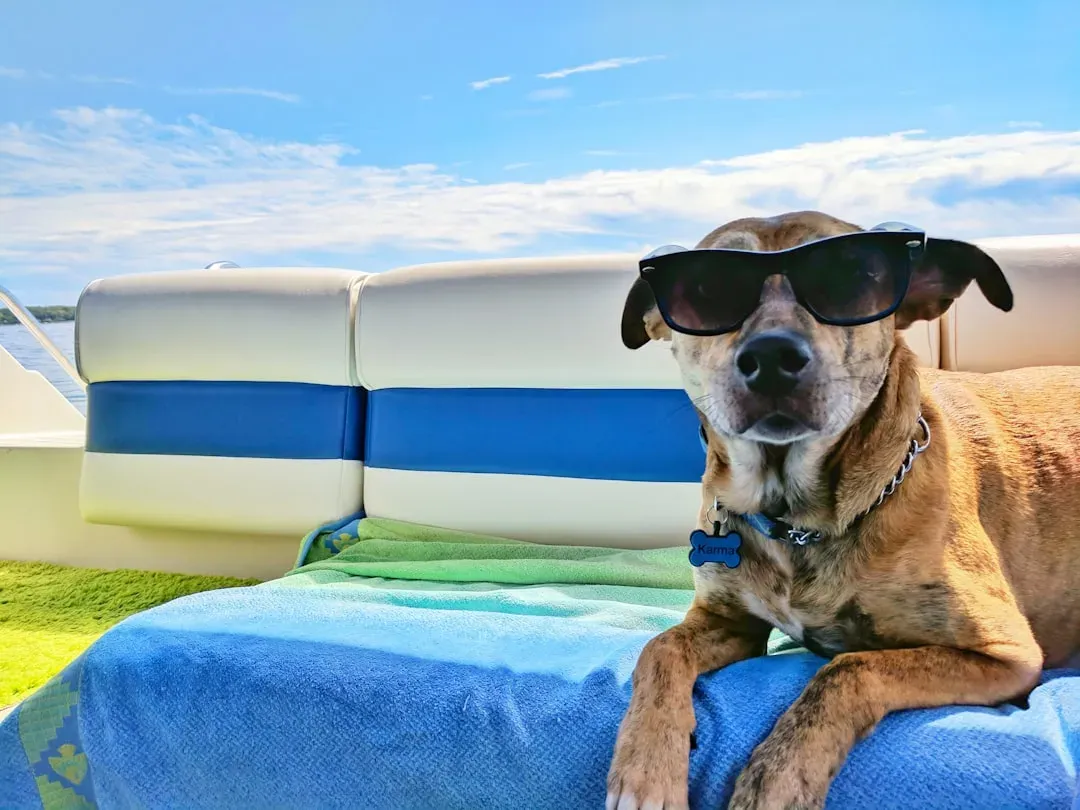
None of this requires elaborate gear or a complicated checklist. It’s mostly about anticipating what your dog needs before you’re already on the road and short on options. A little foresight turns a potentially stressful trip into something both of you can actually enjoy, and that’s really the whole point of bringing a dog along in the first place.