Four Small Towns Wealthy Americans Quietly Choose for Retirement
Telluride, Colorado, with a population of around 2,500, holds an unmistakable appeal for those who can afford its rarified air. Here’s the thing: this isn’t just another ski town. The median home sale price hit $1.38 million in October 2025, according to Redfin, which tells you everything about who’s buying property here. It’s a place where residents increasingly rely on private planes for travel, and the town knows it.
The cultural offerings alone distinguish Telluride from its competitors. The annual Telluride Film Festival has been around for more than 50 years and has only grown in prestige, drawing Hollywood insiders and cinema aficionados who value discretion over flash. Honestly, the town hosts fourteen festivals annually celebrating everything from Bluegrass to yoga, creating a year-round calendar that keeps even the most cultured retirees engaged.
The retiree-friendly town offers free bus and gondola services, reducing reliance on car travel. Let’s be real though: accessibility comes with challenges. Telluride is somewhat remote, though it contains a regional airport, with Montrose Regional Airport being the better, more equipped option in some cases. Denver sits six hours away by car, making this destination ideal only for those comfortable with isolation or who have the means to travel by private aircraft.
Martha’s Vineyard, Massachusetts
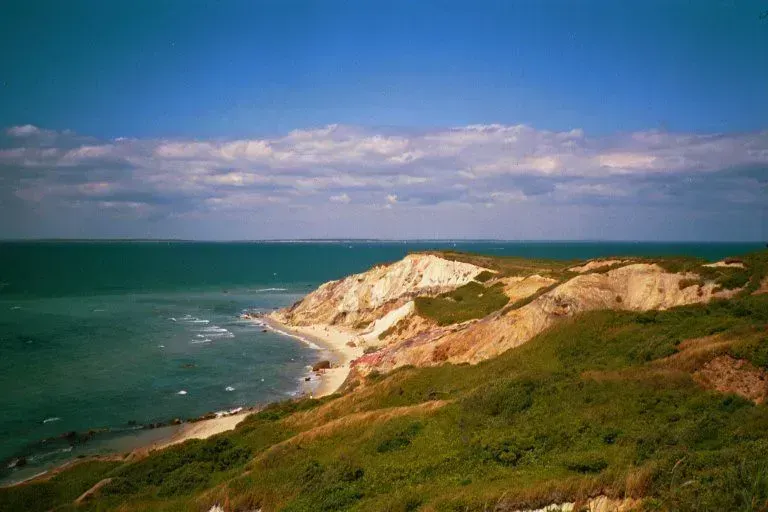
This island sanctuary has sheltered wealthy northeasterners for generations, and its appeal hasn’t diminished one bit. The median home sale price was $1.48 million in October 2025, according to Redfin, yet the true value lies beyond simple real estate numbers. Each town on the island offers distinct character and atmosphere.
The historic village of Oak Bluffs, with its charming gingerbread homes, has long been the summer destination of the Black elite, adding cultural richness to the island’s tapestry. From West Chop’s mansions to Menemsha’s fishing village cottages, the island accommodates diverse aesthetic preferences while maintaining exclusivity. There is a strong commitment to environmental conservation on the island, resulting in ample hiking and biking trails and coastal protection.
Transportation presents both charm and challenge. Martha’s Vineyard Airport is served by major airlines such as Delta, American and JetBlue, while you can reach Boston by taking a ferry and then driving for two hours. The isolation creates a barrier to entry that wealthy retirees often find desirable, preserving the peaceful atmosphere they seek.
Carmel-by-the-Sea, California

The median home sale price was $2.481 million in October 2025, according to Redfin, making this California coastal gem one of the priciest retirement destinations in America. What drives such astronomical pricing? The town’s storybook architecture, intimate downtown, and pristine coastal location create an irresistible combination.
The median age in Carmel-by-the-Sea is 68, with around 58.7% of residents being 65 or older. This demographic reality shapes everything about the community, from its pace to its priorities. The average annual household income in Carmel-by-the-Sea is $170,512, while the median household income sits at $115,729 per year, reflecting a population with substantial financial resources.
Ocean Avenue serves as the town’s beating heart, lined with alfresco restaurants and cottage hotels winding among Spanish colonial and storybook homes. The art galleries draw sophisticated collectors, while the intimate scale allows residents to walk nearly everywhere. It’s hard to say for sure, but the blend of California coastal beauty with small-town charm seems nearly impossible to replicate elsewhere, even if the price of admission remains steep.
Palm Beach, Florida

Old money and new luxury converge on this sandy barrier island where roughly nine thousand year-round residents coexist with dozens of billionaires. The median home sale price was $1.48 million in October 2025, according to Redfin, though many properties command far higher prices in this exclusive enclave.
Palm Beach is positioned in the northern section of the tri-county region of Greater Miami, offering both seclusion and accessibility. Worth Avenue alone justifies the address, with its bougainvillea-lined streets hosting high-end boutiques, fountains, and pedestrian vias. This Atlantic coast gem has been a magnet for American wealth for over a century.
Palm Beach is a 2.5-hour drive to Miami, with Boca Raton and Fort Lauderdale along the route, while West Palm Beach, Fort Lauderdale and Miami are home to major international and executive airports. The combination of tropical climate, established social infrastructure, and proximity to world-class medical facilities makes Palm Beach a practical choice for wealthy retirees who want luxury without sacrificing convenience.
Saratoga Springs, New York
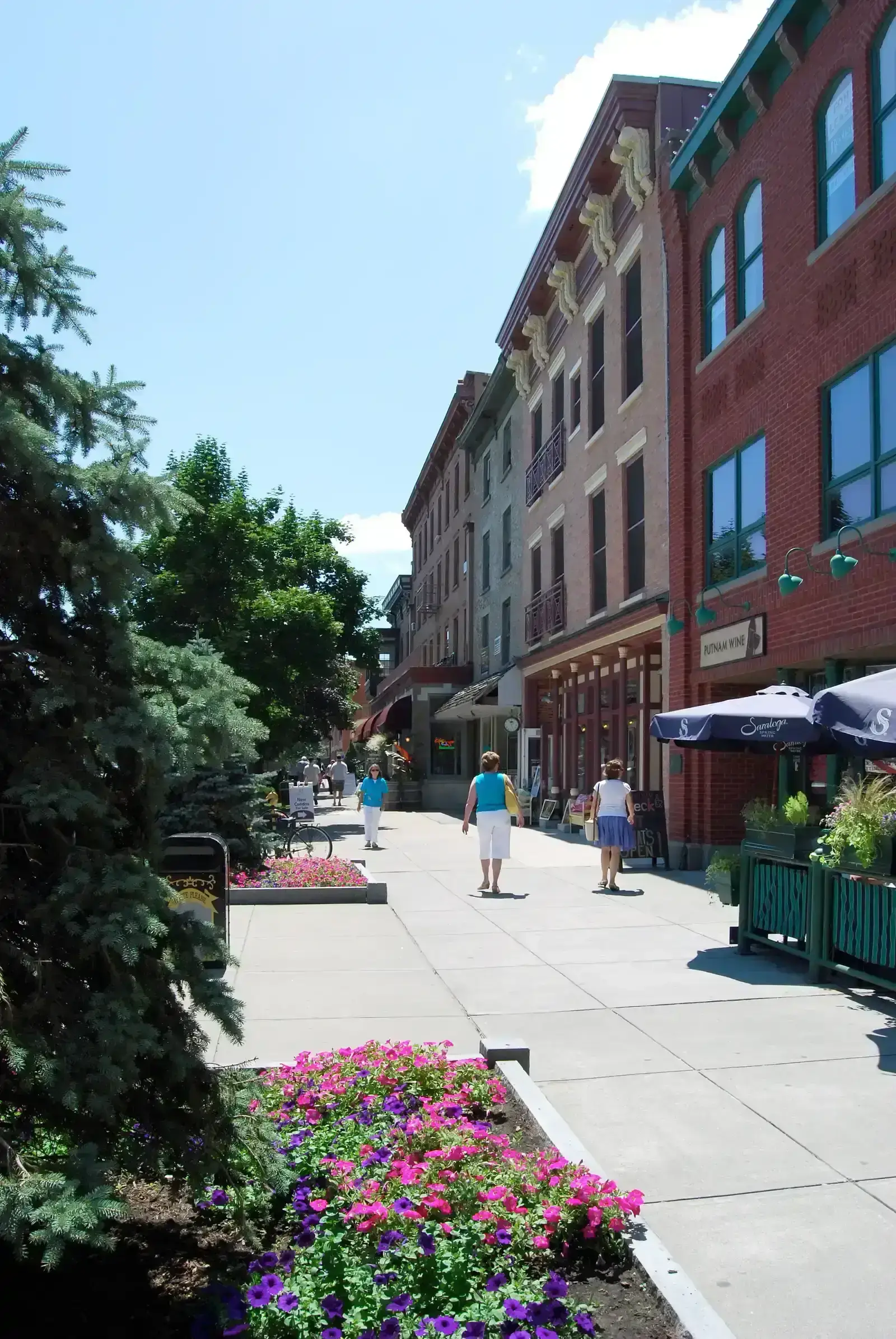
A longtime retreat from New York City, Saratoga Springs has a population of more than 28,000 people, making it the largest town on this list. Don’t let the size fool you though. The town maintains an intimate feel despite its broader population base.
It attracts an interesting and eclectic crowd: Some visit for the city’s namesake mineral springs, while thoroughbred horse racing enthusiasts are drawn to the Saratoga Race Course. The legendary Yaddo artists’ and writers’ retreat adds intellectual gravitas, while Skidmore College creates a college-town atmosphere with public readings, musical performances, and visual arts events.
The cultural calendar rivals cities ten times its size. What makes Saratoga Springs particularly appealing is its four-season climate and easy access to major metropolitan areas without the urban density. Wealthy retirees here enjoy both pastoral tranquility and sophisticated cultural offerings, a combination increasingly rare in today’s polarized real estate landscape. The town represents perhaps the most balanced option on this list, offering exclusivity without extreme isolation.
These four destinations share common threads beyond their price tags. Each offers natural beauty, cultural sophistication, and communities that value discretion over ostentation. Retirees should conduct an honest self-evaluation of their physical strengths and limitations, as well as their tolerance for living in a relatively remote corner of the country, because your neighbors may have private jets.
What’s remarkable is how these towns maintain their character despite wealth concentration. They’re not merely expensive zip codes but living communities with distinct identities shaped by geography, history, and shared values. What do you think draws wealthy retirees to smaller towns rather than major metropolitan areas?
The Hidden Costs Beyond the Price Tag

Here’s what the real estate brochures won’t tell you: Living in these exclusive enclaves comes with expenses that make the sticker price look almost reasonable by comparison. Property taxes in these towns can reach jaw-dropping levels, sometimes exceeding $50,000 annually for waterfront properties. But that’s just the beginning. Membership fees at private clubs, which are practically essential for social integration in these communities, can run $100,000 or more just for initiation, plus annual dues that rival a luxury car payment. The social pressure to maintain appearances is real and relentless. Your neighbors aren’t just keeping up with the Joneses – they are the Joneses, and they’ve got expectations about landscaping, home maintenance, and charitable contributions that can quietly drain six figures annually. Insurance costs in coastal towns like Martha’s Vineyard and Palm Beach have skyrocketed due to climate risks, with some homeowners paying $30,000 or more yearly just to protect their investment. The lifestyle isn’t just expensive to enter; it’s expensive to maintain, and many retirees underestimate the ongoing financial commitment required to truly belong in these rarefied communities.