The Hidden Patterns Behind Breakthrough Creative Ideas
Most people assume that great arrive like lightning strikes – random, unpredictable, and reserved for a rare few. The reality turns out to be considerably more structured. Researchers across psychology, neuroscience, and organizational behavior have spent decades mapping what actually happens in the mind when a truly original idea emerges, and the patterns they’ve found are surprisingly consistent.
Creativity is not a mystical gift. It has architecture. Understanding that architecture doesn’t drain the wonder out of it – if anything, it makes the process more fascinating and more accessible to anyone willing to look closely at how ideas actually form.
The Brain Networks That Do the Hidden Work
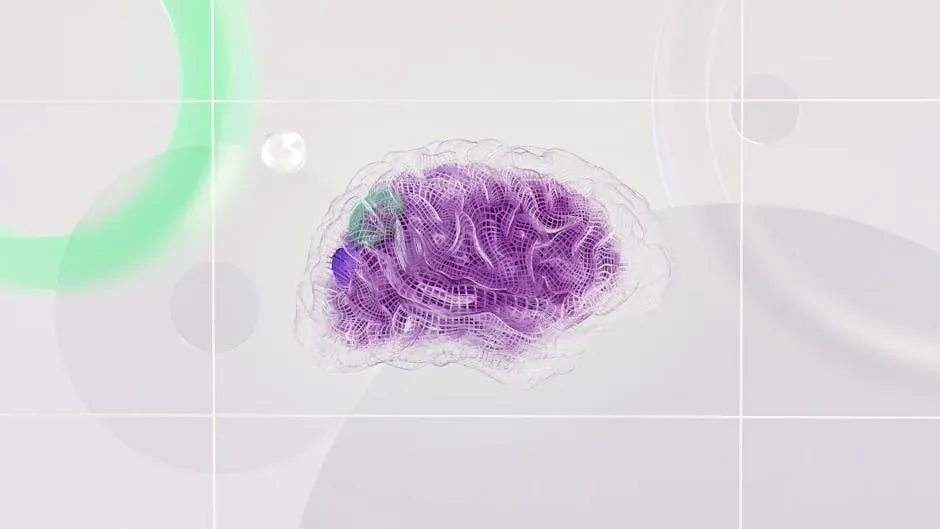
Creativity depends on how three large brain networks work together. These networks each do different jobs, but they communicate with one another during creative moments. The Default Mode Network is most active when you’re not focused on the outside world – during rest, daydreaming, remembering things, or planning for the future.
Research using connectome-based predictive modeling found stronger functional connections between the default, control, and salience networks in highly creative people, with the brain connectivity pattern reliably predicting creativity scores. Creative thinking involves the interplay of the brain’s default and executive control networks, allowing us to spontaneously generate ideas and critically evaluate them. It’s a dynamic handoff, not a single burst of neural activity – and that distinction matters enormously for understanding how ideas actually get built.
The Aha Moment Is Real, and It’s Measurable
New evidence from brain imaging research shows that flashes of insight aren’t just satisfying – they actually reshape how your brain represents information and help sear it into memory. Researchers used fMRI to map the brain activity of participants while they solved hidden picture puzzles. The more intense their “aha moment,” the more blood flow there was to those parts of the brain.
The temporal lobe, especially the anterior superior temporal gyrus, has been linked to moments of insight. An EEG study showed a burst of high gamma activity in this region about 300 milliseconds before participants experienced an insight. Participants tended to recall solutions that came to them in a flash of insight far better than ones they arrived at without this sense of epiphany, and the more conviction a person felt about their insight at the time, the more likely they were to remember it days later.
Incubation: Why Stepping Away Often Unlocks the Answer

In analyses of creative problem solving, it has long been claimed that setting creative problems aside for a while can lead to novel ideas about the solution, either spontaneously while attending to other matters or very rapidly when the previously intractable problem is revisited. Personal accounts by eminent creative thinkers across many domains have attested to this phenomenon. Research supports the idea that during an incubation period, unconscious processes actively contribute to creative thinking – it’s not merely the absence of conscious thought that drives the effect.
Unconscious thought led to more creative and unusual items than conscious thought, and unconscious thinkers differed significantly from participants who were not given time to think at all. These findings suggest that whereas conscious thought may be focused and convergent, unconscious thought may be more associative and divergent. The impact of mind wandering on creativity appears to be context-dependent, with conscious reflection during incubation being more beneficial than uncontrolled drifting.
Divergent and Convergent Thinking: Two Sides of the Same Process

Creativity is a critical skill that encompasses the ability to generate unique, diverse ideas through divergent thinking, and to evaluate them and select optimal ones through convergent thinking. For a long time, researchers treated these as opposite cognitive modes. Recent work suggests a more layered picture. Alternate Uses scores of fluency, originality, elaboration, and a composite score were all positively associated with Remote Associations test scores, and scores for fluency, originality, and elaboration were found to be intercorrelated.
The view on creative problem-solving has moved from a uni-directional path of stages to a conception that views it as a more iterative process of several subsequent divergent-convergent thinking cycles. Divergent thinking can be described as a process of retrieving existing knowledge and associating and combining unrelated knowledge in a novel and meaningful way. Neither mode works in isolation from the other – they’re more like a breathing pattern than two separate switches.
The Personality Signature of Highly Creative People
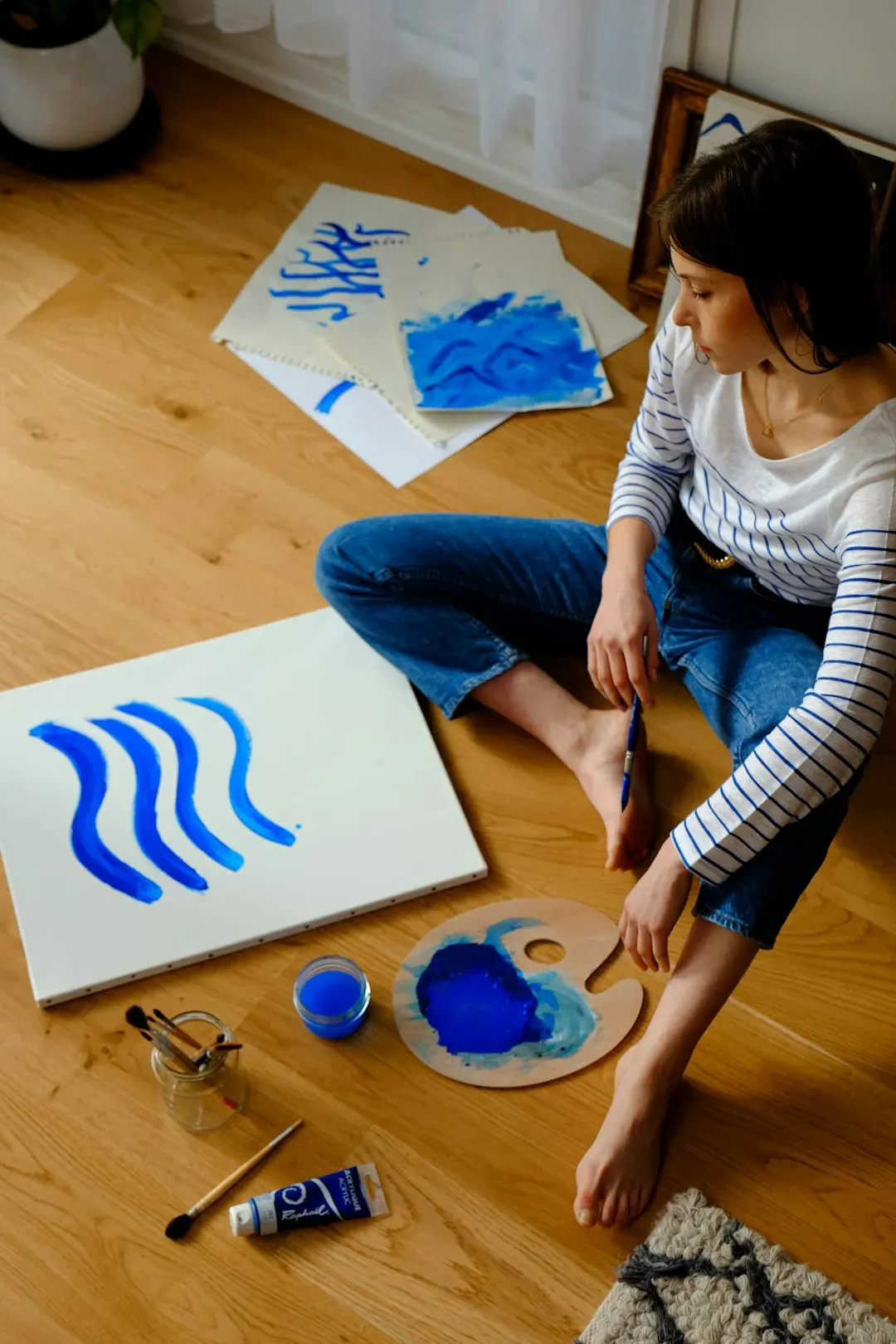
Research consistently shows that Openness to Experience is the strongest personality predictor of creativity. It correlates with divergent thinking, the ability to generate multiple novel solutions to a problem. Empirical research has identified a positive correlation between trait openness and various expressions of creativity, such as divergent ideation, innovative problem-solving strategies, and cumulative creative accomplishments.
Trait openness was found to be a significant predictor of creative achievement across several domains, including writing, visual arts, and music. Individuals high in trait openness are more likely to engage in activities that expose them to a broad range of experiences, providing them with a greater repertoire of knowledge and ideas to draw upon during the creative process. Openness to experience may not directly cause creativity, but it serves as a “catalyst” for the expression and exploration of and activities. The trait creates conditions, not guarantees.
The Role of Neural Rewards in Sustaining Creative Drive
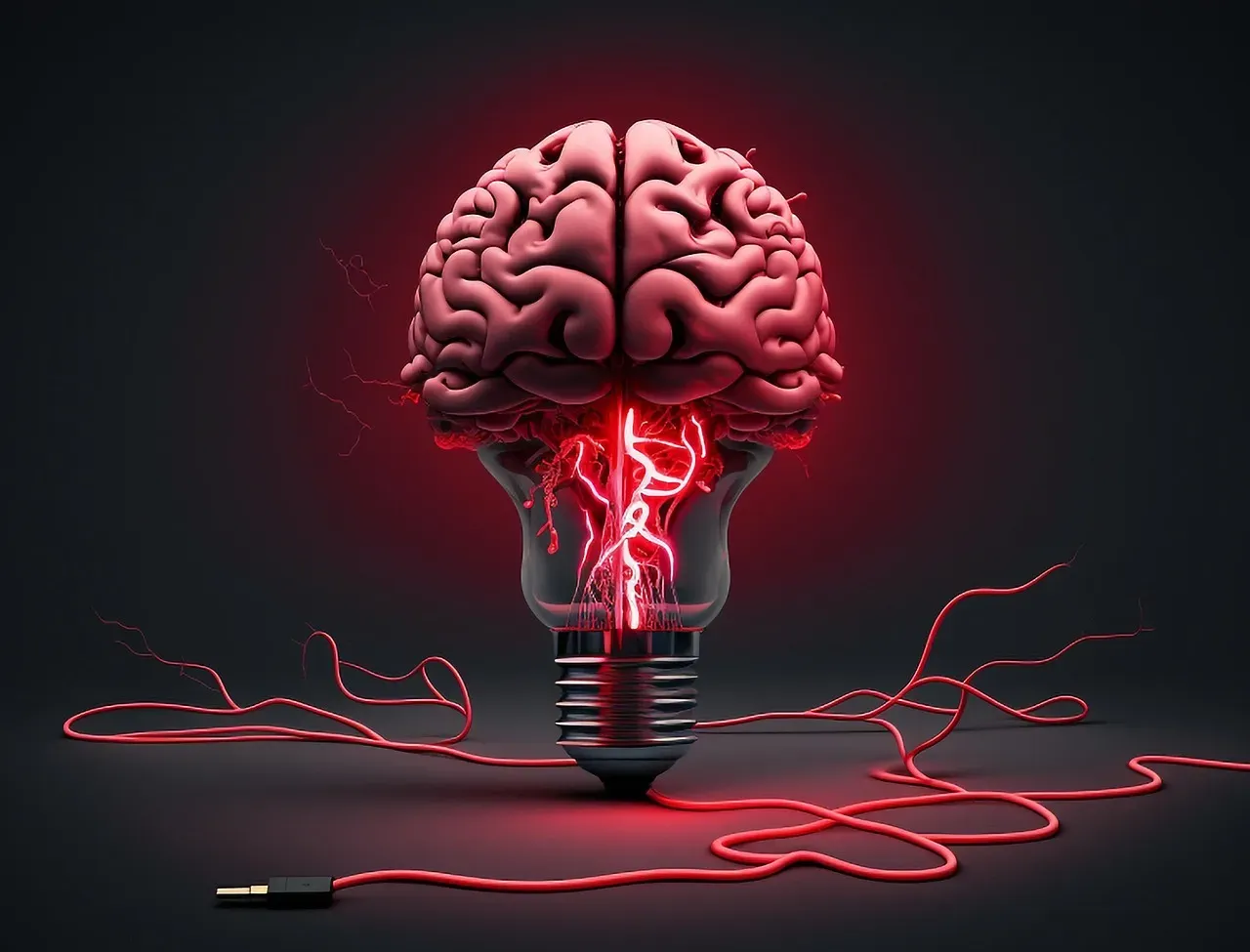
In people who were highly sensitive to rewards, a creative insight led to a burst of brain activity in the orbitofrontal cortex – the area of the brain that responds to basic pleasures like food or addictive substances. That neural reward may explain, from an evolutionary standpoint, why humans seem driven to create. Creativity, in other words, is partly self-reinforcing at the biological level.
The neurotransmitter dopamine, associated with pleasure, reward, and motivation, plays a role in creativity. This helps explain why creative people often describe a compulsive pull toward making things – the brain itself is rewarding the behavior. By allowing the mind to freely associate ideas, thoughts, observations, and sensory experiences, associative thinking can help break down mental barriers and unlock new possibilities. Research has shown that associative thinking is a key component of creativity.
Cross-Domain Thinking as a Generator of Breakthroughs
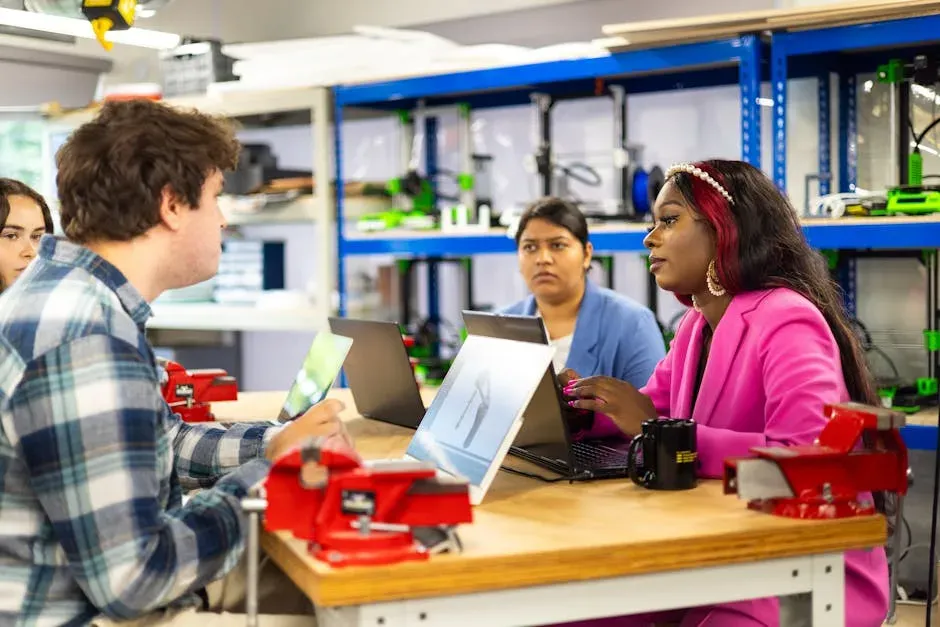
Breakthroughs happen at the intersections of creativity, logic, and different disciplines, where boundaries blur and unexpected combinations emerge. This isn’t a coincidence – there’s a structural reason why ideas from one field illuminate problems in another. Creativity is supported through persistence – producing many variations on a theme – and flexibility – combining distant concepts in unexpected ways. Semantic breadth allows for the remixing of ideas from diverse fields.
Fields that once operated in silos are converging, with scientists, artists, philosophers, and technologists collaborating to address challenges holistically. Highly successful innovators generate ideas and solve problems differently than most people. Instead of trying to predict the future or wait for the perfect opportunity, they focus on what they have right now. That reorientation toward available resources, rather than ideal conditions, turns out to be a practical engine of creative output.
Resilience, Vision, and the Willingness to Be Wrong Early
Artists with long careers often experience early failures because they refuse to follow trends, but sticking to their vision is what ultimately builds their legacy. Optimists who stay true to their creative visions may risk failure, but they’re also the ones who achieve extraordinary success. The pattern shows up across disciplines, from film to science to design. Early rejection of an idea is often not evidence that the idea is bad – it’s evidence that the idea is genuinely new.
Research findings suggest that neuroscience tools can be used to predict the ability to think creatively based on the strength of brain network connections, though we do not yet know whether these connections can be strengthened to improve creative thinking. What is clearer is that sustained exposure to creative domains matters. One study that trained students how to play music reported gains in their musical creativity over time, though whether such gains transfer to make people generally more creative is not yet definitively established.
The Environment That Makes More Likely

Spending time in nature has been shown to enhance creativity. Looking at natural environments, rather than electronic devices, reduces anxiety, lowers heart rates, and allows the brain to make connections more easily. Meditation clears the mind of cluttered thoughts and gives the brain space to observe and reflect, improving task concentration, enhancing decision-making ability, and putting the entire brain to work.
Research by Baird and colleagues showed that people who took a break to do an easy task scored higher on creativity tests compared to those who took no break or focused on a demanding task. The implication is straightforward but often overlooked in practice: the conditions around creative work shape what’s possible inside it. Learning environments that encourage insight could boost long-term memory and understanding. That principle extends well beyond classrooms into any workplace or creative practice that treats rest as irrelevant.
What Separates Ideas That Last from Those That Don’t
The two main components of creativity are originality and appropriateness within a context. This is a quiet but important clarification. A truly creative idea isn’t just unusual – it’s also useful or meaningful within the world it inhabits. Novelty alone doesn’t constitute a breakthrough. Ideation is about generating ideas that are both original and appropriate, balancing novelty with feasibility.
Creativity is a vast and intricate tapestry of cognitive processes, interwoven with emotions, experiences, and the very structure of our brains. As research continues to unfold, one thing becomes clear: creativity is not the sole domain of a select few but a universal human ability, deeply rooted in our neural architecture. The hidden patterns behind breakthrough ideas aren’t signs of an elite cognitive class – they’re features of a human brain doing exactly what it evolved to do, given the right conditions, the right input, and occasionally, the willingness to step back and let the thinking happen out of sight.