What High-Performers Understand About Recovery Time
Most people equate performance with effort. The more hours you log, the more ground you cover, the better you get. That assumption is deeply embedded in sports culture, professional life, and even the way we talk about ambition. Yet the science tells a more complicated story.
High-performers, whether elite athletes, musicians, or top-tier professionals, tend to share one counterintuitive habit: they take recovery seriously. Not as a reward for hard work, but as a deliberate part of the process itself. The gap between good and exceptional often comes down not to how hard someone trains, but to how well they let their body and mind rebuild.
Recovery Is Not the Opposite of Training

Systemic resistance training aims to enhance performance by balancing stress, fatigue, and recovery. While fatigue is expected, insufficient recovery may temporarily impair performance. This is not a minor footnote in sports science. It’s the foundation of how elite athletes structure their entire training cycle.
Recovery is a two-stage process involving the reduction of fatigue and adapting to imposed training demands. Specifically, an individual should at least be able to return to baseline performance or potentially go beyond that. High-performers understand this distinction. They aren’t resting to feel better. They’re resting to come back stronger.
The Biology of What Happens When You Rest

It has been hypothesized that sleep, and in particular slow-wave sleep or deep sleep, is important for recovery in athletes. Evidence in support of this theory includes the synchrony of growth hormone release with slow-wave sleep in humans, the suggestion that optimum conditions for anabolism prevail during sleep, and studies showing the duration of slow-wave sleep to be proportional to preceding wakefulness. In practical terms, the most intensive tissue repair happens during your deepest sleep phases.
Compromised sleep may also influence learning, memory, cognition, pain perception, immunity, and inflammation. Furthermore, changes in glucose metabolism and neuroendocrine function as a result of chronic, partial sleep deprivation may result in alterations in carbohydrate metabolism, appetite, food intake, and protein synthesis. This is why high-performers treat sleep as a non-negotiable training tool, not an afterthought.
Sleep as a Performance Strategy
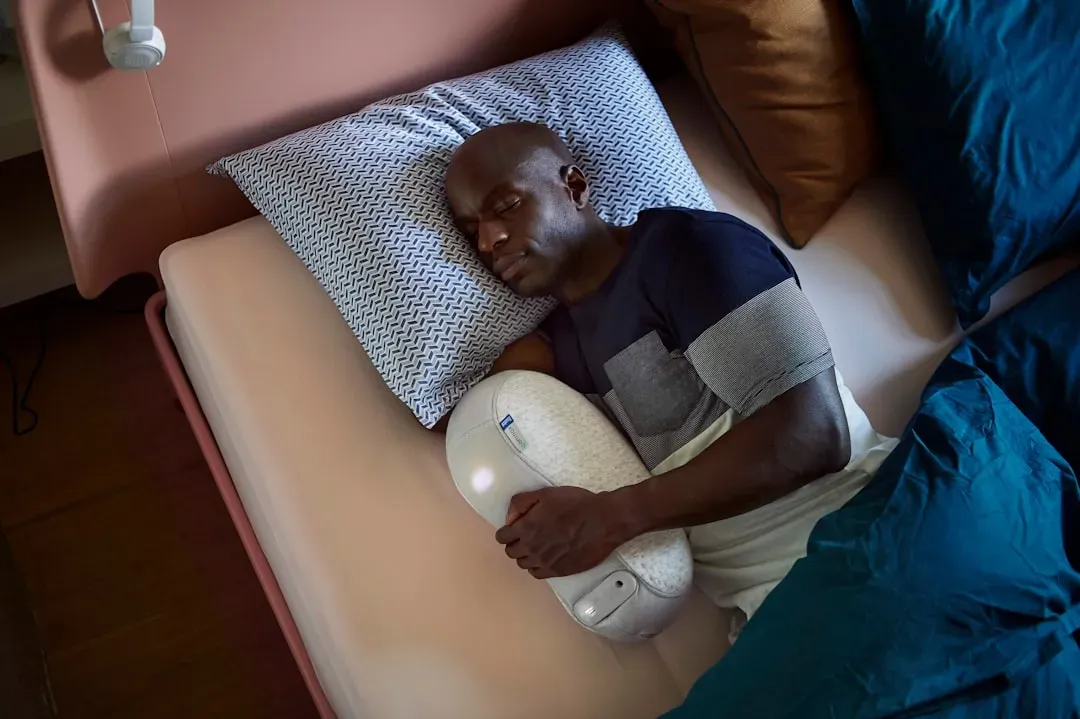
Sleep is considered a fundamental component to performance optimization among elite athletes. Yet sleep has only recently been embraced by sport organizations as an important part of the training and recovery process. Not only does sleep play a crucial role in physical and cognitive performance, it is also an important factor in reducing the risk of injury. The shift is meaningful: sleep is now formally recognized as training infrastructure.
One research group increased the sleep time of swimmers from their usual sleep amount to ten hours per night for six to seven weeks. Following this period, fifteen-meter sprint, reaction time, turn time, and mood all improved. The gains weren’t from more pool sessions. They came from more time asleep. That’s a distinction worth sitting with.
When Sleep Is Disrupted Around Competition

Good sleep before and after competitions is crucial to cognitive, physiological performance, and recovery. Yet elite athletes face a unique set of challenges when acquiring good sleep before and after competitions, and indeed commonly report sleep problems when it matters most. The irony is real: the higher the stakes, the harder it becomes to get the recovery those stakes demand.
The physical and cognitive demands of elite competitions may disrupt subsequent sleep episodes. Elevated adrenaline and cortisol levels after competitions are associated with heightened pre-sleep arousal. Smart recovery plans account for this. Interventions like progressive muscle relaxation, temperature regulation, and managing light exposure after late competitions have shown genuine promise in helping athletes wind down and restore.
The Cost of Skipping Rest: Overtraining Syndrome

Training regimens can result in marked improvements in athletic performance when they incorporate adequate intervals of rest and recovery. Continued training in the absence of adequate recovery progresses to a constellation of symptoms that affect medical and mental health, which is referred to as overtraining syndrome. What’s striking is that this isn’t a fringe case. It happens to serious, dedicated athletes who simply miscalibrate the balance.
When cumulative training and non-training stressors overwhelm an individual’s adaptive mechanisms, it results in prolonged fatigue, decreased physical and cognitive performance, neuroendocrine alterations, and potential immunological dysregulation. doesn’t just protect performance. It protects the entire system.
The Spectrum from Overreaching to Burnout

Functional overreaching is characterized by a short-term decrease in performance due to accumulated training and stress, and recovery from this state can take days or weeks. Nonfunctional overreaching is a prolonged process of intense training leading to stagnation and a permanent decline in performance that can last for weeks or months. Overreaching, especially nonfunctional, can progress to overtraining syndrome if adequate recovery is not achieved.
A constant lack of recovery or disturbed recovery results in overtraining or burnout, which frequently occur in sports. Even being slightly underrecovered over a longer period of time results in underperformance. Therefore, a conscious use of recovery strategies is recommended to prevent a decrease of performance. The damage tends to creep in quietly before it becomes obvious.
Active Recovery vs. Full Rest: Knowing the Difference

Active recovery is moving in a way that supports your body’s recovery, meaning it’s lighter and less physically intense than a regular workout. It keeps blood circulating, reduces muscle stiffness, and can accelerate the removal of metabolic byproducts. Regeneration exercises increase the rate at which blood lactate dissipated in comparison with passive recuperation. The rate of lactate dissipation for regeneration exercises was roughly two thirds of initial levels.
Passive recovery is often overlooked in favor of more active techniques, but it holds several significant advantages, particularly when your body needs to heal from intense physical exertion or stress. By completely stepping away from exercise, you allow your body to undergo deep healing and repair, enhancing muscle recovery, reducing injury risk, and improving overall well-being. This type of rest is essential for resetting your mental state as well, helping to alleviate stress and prevent burnout. Choosing between these two modes is itself a skill.
Recovery Strategies That Actually Work

Recovery is becoming increasingly important to the high-performing athlete in a bid to reduce fatigue and enhance performance. Some of the more common recovery techniques used by athletes include hydrotherapy, active recovery, stretching, compression garments, and massage. The evidence base for each of these varies considerably, and not every tool works equally well for every athlete or sport.
Adequate recovery has been shown to result in the restoration of physiological and psychological processes, so that the athlete can compete or train again at an appropriate level. Recovery from training and competition is complex and typically dependent on the nature of the exercise performed and any other outside stressors. This is why high-performers treat recovery as something to be individualized, not simply copied from a generic template.
The Mental Dimension of Recovery

Cognitive performance is also impacted in a number of domains, including vigilance, learning and memory, decision-making, and creativity when sleep and recovery are insufficient. For knowledge workers and competitive athletes alike, mental sharpness erodes in ways that are easy to dismiss as motivation problems or stress, when the root cause is often physical underrecovery.
Muscular fatigue occurs when muscular demands include holding a position for prolonged periods of time, or repetition of isometric or isotonic muscular contractions. Central neurological fatigue manifests as an unexpected drop in performance that is not related to illness or injury. This form of fatigue results when a performer has insufficient rest and recovery periods. The brain fatigues just as the muscles do. High-performers know this and plan accordingly.
How Elite Athletes Actually Develop Over Time
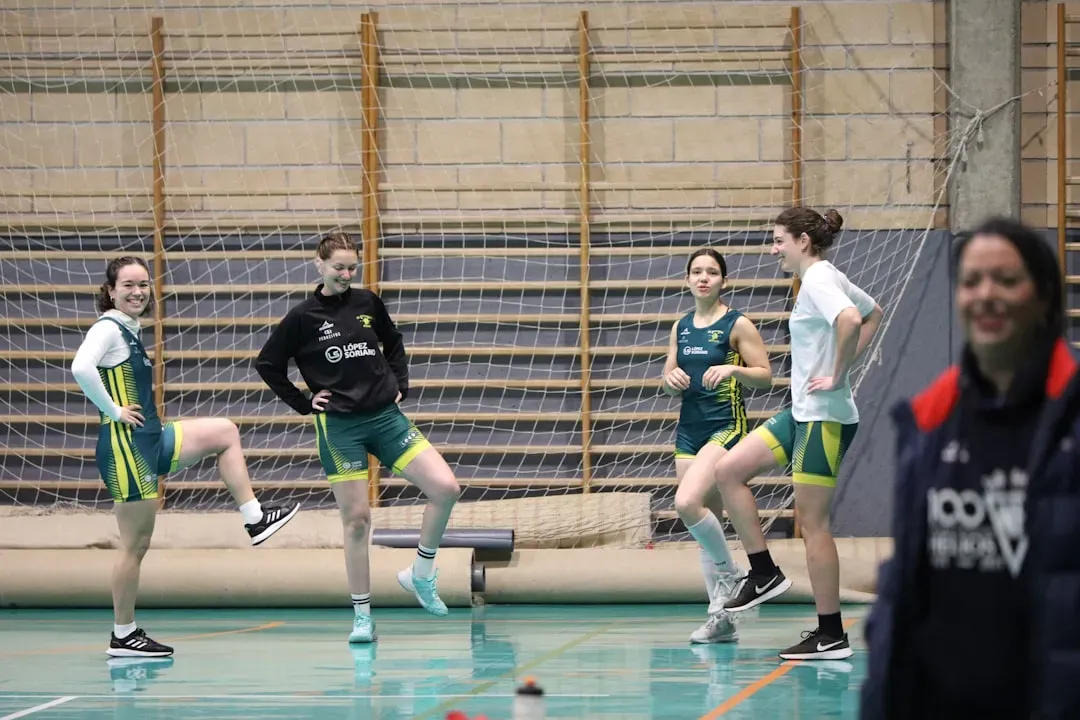
A major international review has upended long-held ideas about how top performers are made. By analyzing nearly thirty-five thousand elite achievers across science, music, chess, and sports, researchers found that early stars rarely become adult superstars. Most world-class performers developed slowly and explored multiple fields before specializing. Deliberate pacing, it turns out, is not a sign of weakness.
The available evidence is highly consistent across domains: young exceptional performers and later adult world-class performers are largely two discrete populations over time. Early exceptional performance is associated with extensive discipline-specific practice, little or no multidisciplinary practice, and fast early progress. By contrast, adult world-class performance is associated with limited discipline-specific practice, increased multidisciplinary practice, and gradual early progress. , in the broadest sense, includes stepping back from intensity in order to build something that lasts.
The athletes and performers who sustain elite output over years and decades aren’t usually the ones who pushed hardest the longest. They’re the ones who figured out that progress requires pause. Recovery isn’t the break from the work. It is part of the work.