4 Signs Your Version of Self-Care Isn’t Working
Self-care gets talked about constantly. It’s on wellness blogs, social feeds, therapy waiting rooms, and workplace newsletters. The problem isn’t the concept itself – it’s that the word has stretched so far it now covers almost anything. A spa day, a Netflix binge, a morning run, a glass of wine after work. All of it gets filed under “self-care,” regardless of whether it’s actually helping.
In recent years, self-care has become a widely used concept, often promoted as essential for mental health and well-being. Alongside its growing popularity, the meaning of self-care has become increasingly blurred, with activities labeled as “self-care” sometimes functioning less as restorative practices and more as methods of avoidance or emotional numbing. That’s a meaningful distinction, and ignoring it can leave you wondering why you’re putting in all this effort and still feeling the same way.
You’re Still Exhausted – Even After Resting
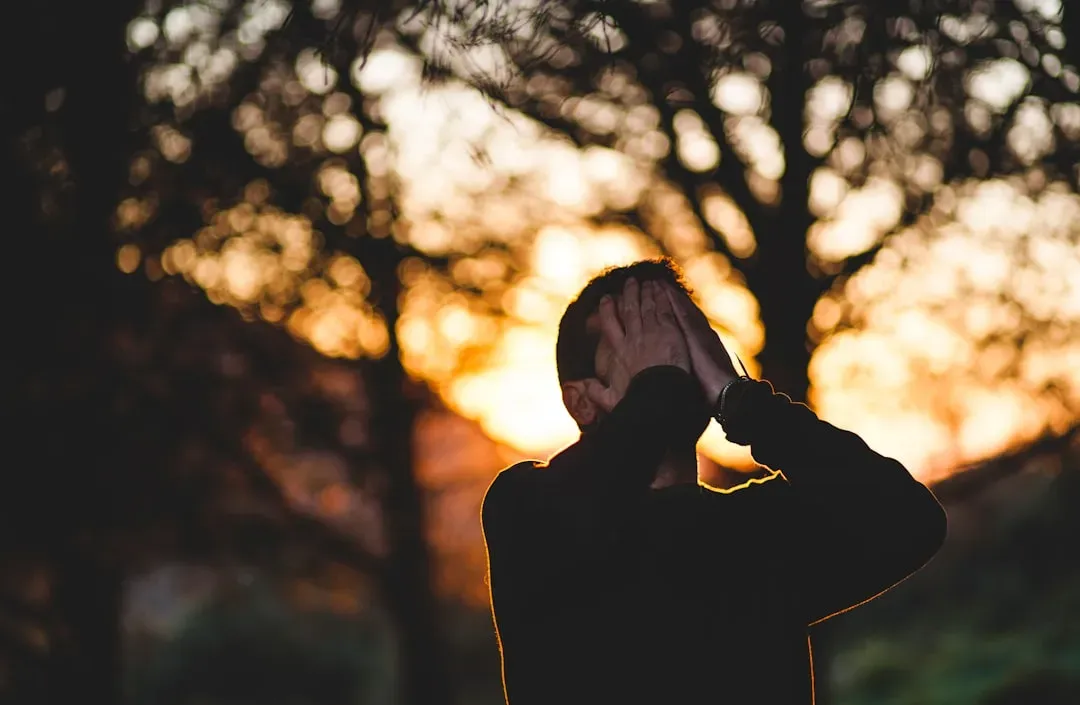
Many of us fail to notice how damaging neglecting our real self-care needs can be, how it can lead to rising stress levels, emotional exhaustion, and even burnout. It’s only when our anxiety, depression, or stress becomes too much to ignore that we might urgently turn to self-care. The trouble is that urgency alone doesn’t make the response effective. If you’re carving out rest time and still waking up drained, the type of rest you’re choosing might be the issue.
Too much escapism can leave you feeling more stressed, disconnected from yourself and others, and even feeling guilty for not doing the things you meant to do. You might feel like you’re “resting,” but you never actually feel rested. Your feelings and undone tasks pile up. True restoration tends to produce something measurable: a quieter mind, a sense of readiness, a feeling of being more like yourself. If none of that is happening, rest isn’t the right label for what you’re doing.
Your Self-Care Is Really Just Avoidance in Disguise

Self-care is engagement-focused: it’s about confronting and nurturing oneself. Escapism is avoidance-based, especially in its maladaptive form – it sidesteps discomfort rather than addressing it. The line between the two can feel invisible, especially when the activity itself looks healthy on the surface. Going for a walk, cooking a nice meal, or zoning out to a show can all be genuinely restorative – or they can be ways of postponing the conversation you need to have with yourself.
Avoidance is a central concept in psychology, particularly in anxiety and trauma-related disorders. Avoiding uncomfortable emotions can reinforce fear pathways in the brain, making distress feel more threatening over time. Escapism strengthens this avoidance loop by teaching the nervous system that discomfort must be escaped rather than processed. Over time, this pattern makes difficult emotions feel even harder to sit with. Chronic reliance on escapism to avoid responsibilities or emotions may worsen anxiety, depression, or feelings of emptiness, and can also fuel addictions, damage relationships, and reduce motivation to address challenges.
Your Routine Feels Like Another Obligation

The current dialogue around self-care is often driven by social media, influencers, quick-hit TikTok reels, and other less-than-scientific platforms. Trends have supplanted real, data-driven or evidence-based methods for coping with stress, fatigue, and burnout. The result is that a lot of people have assembled elaborate self-care routines that look impressive but feel like checklists. Morning pages, a ten-step skincare routine, a meditation streak, cold plunges – done not from genuine need, but because the algorithm said so.
If you are burned out, exhausted, or stressed, doing more is almost never the answer. Decades of psychological and scientific research support the conclusion that rest, restoration, and recovery – not adding more to our plates – are the antidotes to stress. When your self-care plan starts generating its own form of pressure, it’s worth stepping back. One of the biggest obstacles to self-care is overcommitment. Learning to say “no” is essential to maintaining your mental health. That applies to wellness routines just as much as it applies to social commitments.
You’re Addressing Symptoms, Not the Source

One of the most important psychological distinctions between self-care and escapism lies in intention. Self-care is driven by self-responsibility and awareness – “What do I need to function better?” Escapism is driven by avoidance – “How can I stop feeling this right now?” That difference shapes everything. A bath or a run might genuinely help you decompress after a difficult day. Neither one will resolve a job that’s eating you alive, a relationship pattern you haven’t examined, or grief you haven’t given space.
Signs like feeling emotionally drained or overwhelmed more often than not, struggling to focus or find motivation, or feeling disconnected from things that used to bring you joy may persist regardless of what you try. Perhaps there’s a sense of hopelessness or difficulty managing daily responsibilities, no matter how hard you try. When self-care isn’t touching those signals, it’s worth asking whether the root cause has even been identified. Self-care supports emotional processing. Practices such as journaling, therapy, or mindfulness help individuals tolerate distress and develop emotional resilience. Psychological research consistently shows that increased distress tolerance is associated with improved mental health outcomes.
Self-care isn’t broken as an idea – but the version most people are practicing often is. The real question to ask isn’t “Am I doing enough self-care?” It’s “Is what I’m doing actually making me feel better, in ways that last longer than the activity itself?” If the honest answer is no, that’s not a failure. It’s useful information pointing you toward something more aligned with what you actually need.