Why Some Creative Projects Endure While Others Fade
There’s a particular kind of frustration that every creative person knows well. You pour weeks into something, you feel genuinely excited about it, and then one morning you look at the half-finished canvas or the stalled manuscript and realize the energy is simply gone. Meanwhile, other projects seem to pull you back no matter how long you’ve been away from them. The difference isn’t always talent, and it’s rarely luck.
Psychologists and researchers have spent decades trying to understand why some creative work sustains momentum while other projects collapse under their own weight. What they’ve found points to a surprisingly consistent set of forces: motivation, structure, identity, social connection, and something much harder to define that lives somewhere in the space between challenge and skill.
The Role of Intrinsic Motivation

At the center of most research on creative endurance is the question of why someone does the work in the first place. According to Self-Determination Theory, human motivation exists on a continuum from controlled and extrinsic to autonomous and intrinsic, and unlike extrinsic motivation, intrinsic motivation stems from personal interest and satisfaction rather than external pressures. Projects that begin from a place of genuine curiosity tend to survive setbacks far better than those launched for recognition or financial reward.
Research shows that intrinsically motivated engagement in activities is accompanied by improved mental health, enhanced creativity, and long-term outcomes, and intrinsically motivated people are more likely to persist and are more willing to voluntarily attempt different challenges. A project anchored in what genuinely fascinates you is far more likely to outlast the periods of self-doubt that inevitably arrive.
The Flow State and Why It Keeps Creators Coming Back
Flow, also known colloquially as being in the zone, is the mental state in which a person performing some activity is fully immersed in a feeling of energized focus and full involvement. In essence, flow is characterized by complete absorption in what one does, and a resulting transformation in one’s sense of time. Flow is the melting together of action and consciousness, the state of finding a balance between a skill and how challenging that task is.
Csikszentmihalyi spent decades researching individuals who experienced this state, noting that they pursued activities not for external rewards such as money, praise, or grades, but because the activity itself was the reward. Regular flow experiences are strongly correlated with higher levels of life satisfaction and improved autonomic regulation, and flow transforms challenging, demanding work into an energizing and enjoyable experience, significantly reducing the risk of burnout. When a creative project reliably brings a person into flow, abandoning it becomes genuinely difficult.
Structure as the Skeleton of a Lasting Project

Inspiration gets most of the credit in popular narratives about creativity, but structure does the quiet, essential work. A creative project without structure is like a person without a skeleton. It has no form and cannot stand. Projects that endure tend to have internal scaffolding: clear goals, a defined process, and milestones that let the creator know progress is real.
Flow theory postulates that clear goals and progress establish structure and direction, while clear and immediate feedback helps negotiate any changing demands and allows adjusting performance to maintain the flow state. Without feedback loops built into the work itself, creators lose their sense of forward movement and projects drift. The ones that last are often the ones that give you a way to know, at any given moment, whether you’re on track.
The Danger of the “False Aha” Moment
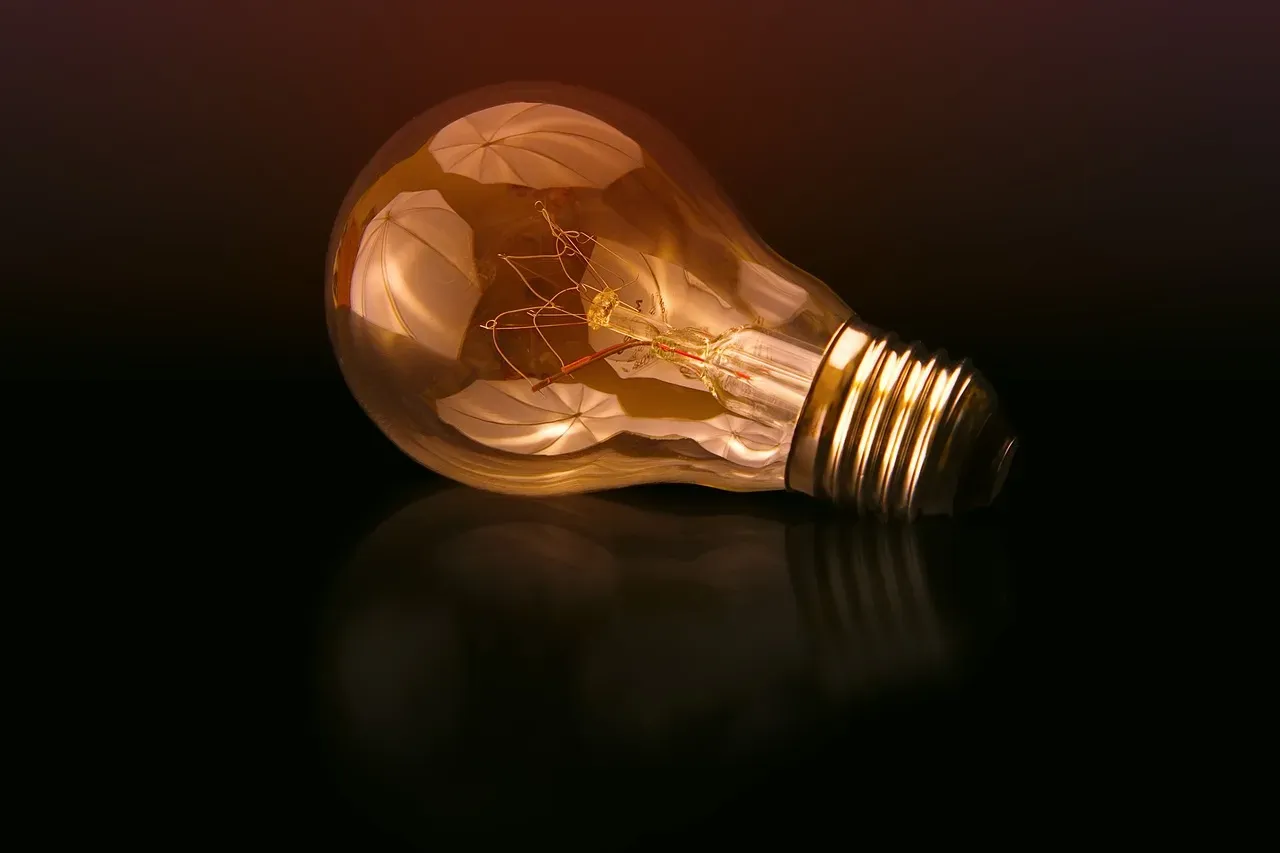
One of the subtler reasons creative projects collapse is that they begin with an idea that felt more significant than it actually was. Research suggests that the spark of a eureka moment may not be a reliable clue that an idea has legs. The aha experience may be a visceral marker of an important idea, but the aha experience can also inflate the meaningfulness of an idea that doesn’t have merit.
In one study, participants revisited their earlier ideas after six months and rated them as creative, but less important than they’d initially thought. This time gap is revealing. Projects that endure typically survive not just the first rush of excitement but the quieter, more sober reassessment that follows weeks later. The ideas that still seem worth pursuing after that re-evaluation are the ones worth finishing.
Autonomy, Competence, and Relatedness: The Three Pillars
Self-Determination Theory and its three basic psychological needs of autonomy, competence, and relatedness help explain why creative activities promote emotional well-being. These three needs, when met by a creative project, create conditions under which a person naturally wants to return to the work. When any one of them is missing or actively frustrated, momentum fades.
Activities that grow into enduring hobbies and interests typically have a novice-friendly learning curve that affords ongoing growth, and they lack a ceiling on the skill or knowledge someone could acquire. In many common creative hobbies, it is easy for a beginner to get off the ground and discern improvement in their knowledge, technical skills, and resulting products, and these hobbies offer the satisfaction of seeing one’s skills develop. When a project has no visible ceiling, there’s always somewhere further to go.
Social Connection and the Creative Long Game

The romantic image of the solitary genius working in isolation turns out to be misleading. The old stereotype of the solitary creative genius obscures the fact that many creative activities foster connectedness. Someone might be teaching or learning from another person, or several people might be working on the creative project collaboratively or in parallel, such as a garage band rehearsing or a sewing circle.
Participating in group creative activities or sharing one’s art with others can promote social connection and reduce feelings of isolation and loneliness. Creative projects that are embedded in some form of community, whether that means a writing group, an online forum, or even just one trusted reader, are far more likely to keep moving. The accountability that comes from other people’s genuine interest is one of the most underrated forces in creative persistence.
Divergent Thinking and the Ability to Adapt
Over more than seven decades, psychological creativity research has established that creativity can be understood in terms of four key facets: personal properties including personality and motivation; cognitive processes including convergent and divergent thinking; environmental factors; and the nature of creative outcomes. Projects that endure tend to involve creators who can think divergently, finding new directions when the original path closes.
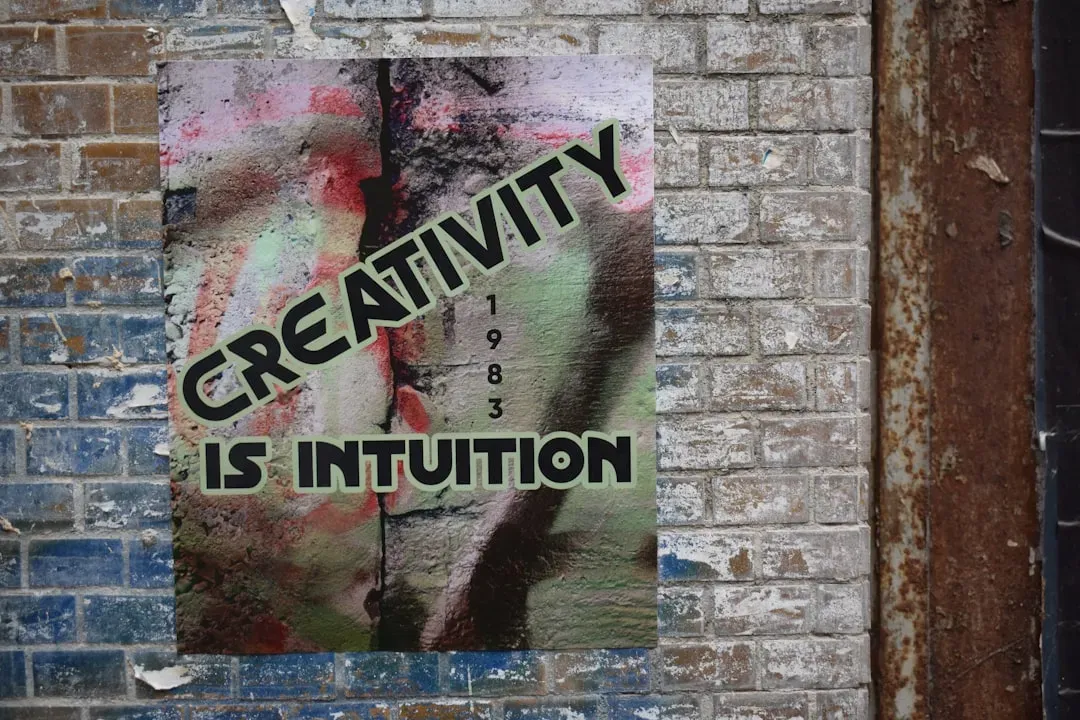
Rigid attachment to the first vision of a project is one of its most common causes of death. Creative work that outlasts its initial form is almost always the product of a mind willing to revise, pivot, and sometimes discard entire sections without mourning them. Art encourages us to cherish intuition, uncertainty, and creativity and to search constantly for new ideas, and artists aim to break rules and find unorthodox ways of approaching contemporary issues. That flexibility is not a weakness in the original vision. It’s what keeps the vision alive.
Cultural Resonance and the Broader Audience
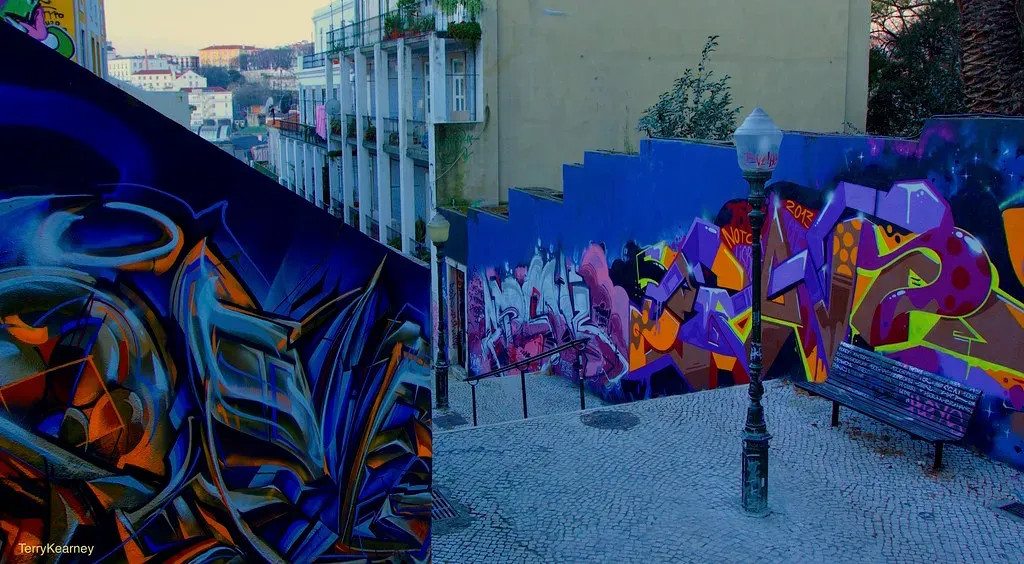
A creative project can survive its creator’s own wavering motivation if it connects with something larger than a personal preoccupation. Art plays a crucial role in forming and expressing cultural identity. It captures the essence of a community’s beliefs, traditions, and experiences, preserving them for future generations. Through visual storytelling, art conveys complex cultural narratives that might otherwise be lost. This preservation of heritage ensures that cultural identity remains vibrant and influential.
The arts and culture represent one of the few areas in society where people can come together to share an experience even if they see the world in radically different ways. The important thing is not that we agree about the experience that we share, but that we consider it worthwhile sharing an experience at all. In art and other forms of cultural expression, disagreement is accepted and embraced as an essential ingredient. Projects that touch something genuinely shared, even if they express it through a deeply personal lens, tend to outlive those that speak only to the moment.
Daydreaming, Mind-Wandering, and the Quiet Work of Incubation

Not all progress on a creative project happens at the desk. Research shows that people who engage in more personally meaningful daydreams report greater artistic achievement and more daily inspiration, and people who are prone to fantastical daydreaming produced higher-quality creative writing in the lab and reported more daily creative behavior. The projects that endure are often those that a creator keeps mentally returning to, even in unguarded moments.
Emotional expression provides a cathartic release and facilitates exploring and understanding one’s emotions. Engaging in creative activities can evoke a state of flow characterized by deep engagement, focus, and a sense of timelessness. Flow experiences often involve a perfect balance between the challenges of the creative task and individual skills, fostering a sense of mastery and accomplishment. When a project follows you into the shower or the commute, when you’re half-solving it without intending to, that’s a reliable sign it still has life in it.
The Creative Economy and What Endurance Means Today

In 2026, the landscape for creative work has shifted considerably. Over the last decade, a new generation of artists has emerged who are pushing the boundaries of what’s possible with new technology, but they are not only adopting it as a creative medium. As technology evolves, the landscape of art continues to change. Digital art, virtual reality, and artificial intelligence are expanding the possibilities for creative expression. These innovations are democratizing art, making it more accessible to a global audience and encouraging new forms of artistic collaboration.
This broader access creates both opportunity and noise. More creative projects than ever are started, and the vast majority quietly disappear. Cultural and creative industries, which include arts and crafts, advertising, design, entertainment, architecture, books, media, and software, have become a vital force in accelerating human development. The projects that find their footing in this environment are typically those that combine genuine intrinsic purpose with some form of community, a clear structure, and work that keeps growing in complexity alongside the creator. These qualities were never glamorous, but they’ve always been the ones that matter most.