The Overlooked Side of Self-Care That Goes Beyond Relaxation
Most people picture self-care as a warm bath, a scented candle, maybe a weekend away from the noise. Those things aren’t wrong. They just aren’t the whole story. While many individuals turn to short-term fixes like caffeine and sleep to recover from stress, self-care goes beyond recovery and encompasses holistic practices that nurture the body and mind. The problem is that the wellness industry has largely sold us the pleasant parts and quietly skipped the harder, more durable ones.
There’s a version of self-care that doesn’t trend on social media, doesn’t come in a gift set, and can’t be scheduled for Sunday afternoon. It involves your finances, your boundaries, your cognitive habits, your social life, and the quality of your sleep. Research suggests that self-care is best described as a continuous process, not a weekend activity. Understanding that distinction is where genuinely better health actually begins.
Self-Care Is a Continuous Process, Not an Occasional Treat

True self-care involves more than just replenishing lost energy; it is a comprehensive approach to mental health maintenance. That framing matters. When care is reactive, something people reach for only after they’re already running on empty, it functions more like first aid than prevention. The research increasingly points toward consistent, daily practice as the thing that actually builds resilience.
Engaging in self-care routines can reduce or eliminate anxiety and depression, reduce stress, increase happiness, and more. It can help you adapt to changes, build strong relationships, and recover from setbacks. These aren’t the outcomes of a single spa day. They’re the result of sustainable habits built over time, across multiple dimensions of life that most wellness content doesn’t bother to address.
The Dimension Most People Forget: Financial Self-Care

Financial self-care is often overlooked in conversations about self-care. For example, in one widely circulated article on the seven pillars of self-care, the types described are mental, emotional, physical, environmental, recreational, social, and spiritual. Financial self-care is not mentioned. This is a significant omission, given what the research shows about money and the mind.
Research shows that money troubles can prey on the mind, sapping a person of willpower and cognitive function. A secure financial foundation reduces stress, increases happiness, and enables more lifestyle choices. The link goes even deeper than mood. In a 2019 study, financial stress among people aged 23 to 35 was correlated with poorer thinking skills, smaller brain volume, and reduced connectivity within the brain in middle age. Managing money isn’t a side issue to wellness. It is wellness.
Setting Boundaries as an Act of Self-Preservation

Saying yes when you mean no is exhausting in a way that no amount of meditation can fully undo. Setting goals and priorities means deciding what must get done now and what can wait. Learning to say no to new tasks is essential when you start to feel like you’re taking on too much. That’s not a productivity tip. It’s a fundamental act of caring for your own nervous system.
It’s critical to schedule regular self-care time and plan time to do something that gives you joy and helps you recharge. If you’re feeling anxious, setting boundaries can help you feel safe and comfortable in your surroundings. Creating a “no list” of things you know you don’t like or no longer want to do is a practical starting point. The discomfort of disappointing someone in the short term is consistently smaller than the cost of sustained overcommitment.
Sleep: The Self-Care Practice That Requires Nothing Extra

Quality sleep is one of the most overlooked aspects of enjoying a healthy lifestyle. That statement is harder to argue with every year, as research into sleep deprivation expands. Yet sleep remains chronically undertreated in most people’s wellness routines, often sacrificed first when life gets busy. Sleep has a significant impact on how you feel mentally and physically. Getting enough sleep will help regulate your mood, improve brain function, and increase your energy to help tackle the day. Adults usually require seven to eight hours of sleep per night.
Adequate sleep is crucial for cognitive function, emotional regulation, and overall well-being. It doesn’t require a supplement or a subscription. It requires consistency and a bedtime routine that the body can actually follow. Research from the CDC shows that the groups most likely to experience insufficient sleep are men, adults aged 45 to 64, and certain minority communities, suggesting that sleep deprivation is both widespread and unevenly distributed across the population.
Self-Compassion: The Inner Work Most Wellness Content Avoids

Self-criticism is often at the root of mental health challenges including anxiety, stress, and depression. Yet self-compassion, the practice of treating yourself with the same understanding you’d offer a struggling friend, rarely makes the top of wellness listicles. The science on it, though, is substantial. Research indicates that people who are kinder to themselves are less likely to experience anxiety, stress, and depression. Self-compassion can help regulate emotions, reduce symptoms of stress, depression, anxiety, and PTSD. Those who practice self-compassion are more likely to be optimistic and happy.
Research has revealed self-compassion as the most important resilience factor among healthcare professionals studied for stress and burnout, an especially telling finding given how extreme the demands placed on that group are. By learning and practicing self-compassion, individuals can gradually cultivate a non-judgmental acceptance of the present moment, approach painful experiences with kindness toward themselves, and gain a deep understanding that such experiences are universal among humans. This, in turn, fosters a more positive and healthy sense of social connectedness.
Social Connection Is Not Optional Wellness: It’s Biology

People tend to treat socializing as a reward, something they get to do once everything else is taken care of. Research suggests that’s backwards. The World Health Organization Commission on Social Connection has revealed that one in six people worldwide is affected by loneliness, with significant impacts on health and well-being. Loneliness is linked to an estimated 871,000 deaths annually. Strong social connections can lead to better health and longer life.
Findings from a comprehensive meta-analysis revealed that among initially healthy people followed over time, loneliness was associated with a roughly one-quarter increase in the risk of premature death, social isolation with a nearly one-third increase, and living alone with an even greater escalation in mortality risk. Loneliness and social isolation increase the risk of stroke, heart disease, diabetes, cognitive decline, and premature death. People who are lonely are twice as likely to get depressed. Investing time in real relationships, not digital substitutes, qualifies as health-protective behavior.
Physical Activity as Mental Medicine, Not Just Fitness
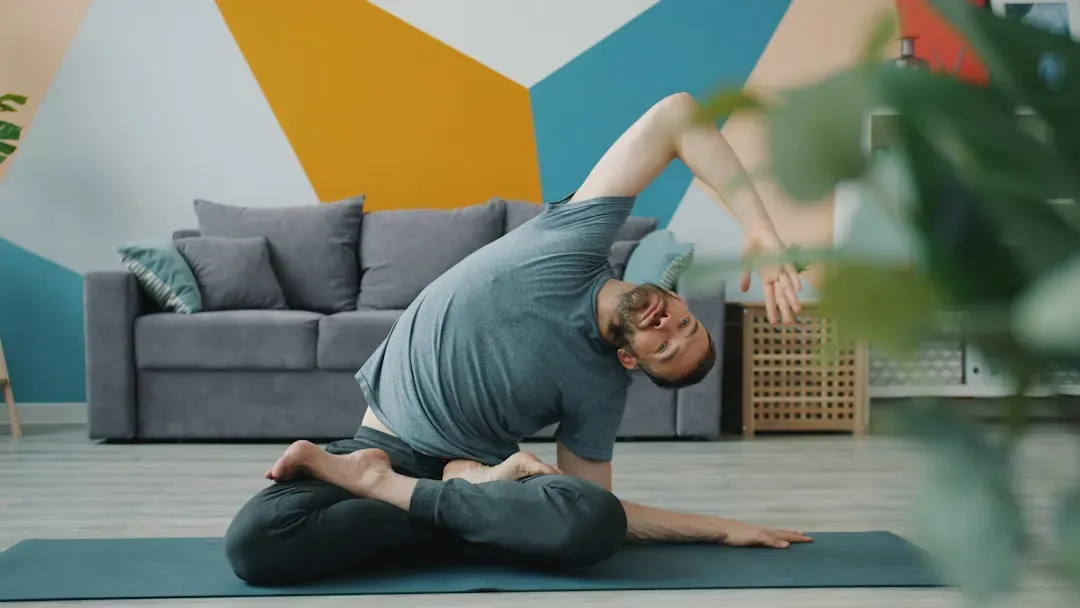
Exercise still tends to get placed in the “physical health” column, separate from emotional or psychological wellbeing. That separation is increasingly hard to justify. Physical activity was identified as a key self-care practice that enhances stress management in research among people navigating high-pressure training environments. Physical activity can help the brain cope better with stress, making it beneficial in the treatment of depression and anxiety symptoms.
Regular exercise can boost mood, reduce stress, and improve sleep quality, addressing three separate wellness concerns in a single practice. The recommended threshold isn’t dramatic. Striving to engage in a minimum of 150 minutes of moderate-intensity aerobic exercise weekly is a realistic, well-evidenced target, though any consistent movement is more useful than waiting for the perfect routine. The mental benefits accumulate regardless of intensity.
Cognitive Self-Care: What You Think About Yourself Matters
The quality of a person’s internal dialogue shapes nearly everything else. Focusing on positivity means identifying and challenging your negative and unhelpful thoughts. That’s not toxic positivity or the denial of difficulty. It’s a deliberate effort to notice cognitive patterns that cause unnecessary harm, and to interrupt them. Cognitive behavioral therapy can help individuals identify and challenge negative thought patterns, and many of its core tools can be practiced independently outside of formal treatment.
Journaling, or writing about thoughts and feelings, can provide emotional release and clarity. Simple practices like this cost nothing and require very little time. Studies have shown that positive affirmations can help people manage stress, cope with life changes, and even improve physical health. Cognitive self-care isn’t about eliminating hard emotions. It’s about not letting unhelpful thought habits run unchecked for weeks at a stretch.
Preventive Health: The Self-Care Nobody Wants to Do

Scheduling a dental exam or a routine physical rarely feels like self-care. It feels like an obligation. Yet neglecting preventive health appointments is one of the most common ways people quietly underinvest in themselves. Nearly half of survey respondents highlight their commitment to maintaining a healthy diet as their most prevalent self-care habit, while close to half actively prioritize preventive healthcare by scheduling regular checkups. Still, younger adults lag significantly behind older ones in this area.
SAMHSA has defined eight dimensions of wellness to help people focus on optimizing their health: emotional, spiritual, intellectual, physical, environmental, financial, occupational, and social. Preventive health checkups touch nearly all of these dimensions by catching physical conditions early, reducing anxiety about the unknown, and keeping people functional enough to maintain every other part of their wellbeing. Treating a doctor’s appointment as an act of self-respect, rather than a bureaucratic chore, changes the relationship with it entirely.
Environmental Self-Care: Your Surroundings Shape Your State
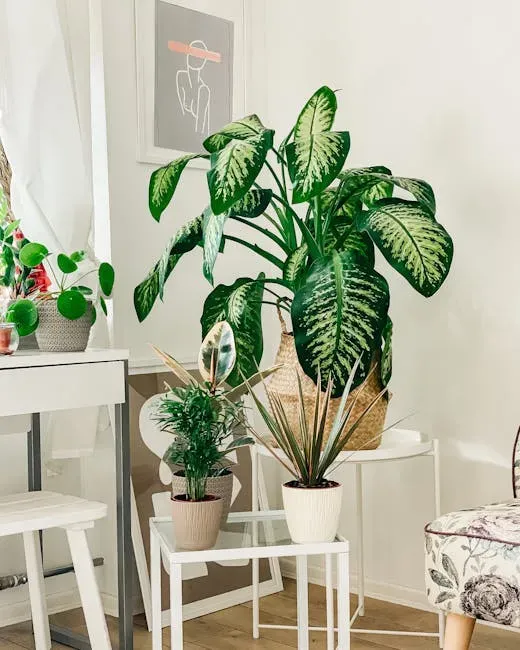
The spaces people inhabit affect their emotional regulation in ways that are easy to underestimate. Interior design for mental health focuses on creating spaces that positively impact individuals’ emotional and psychological well-being. By incorporating elements that promote relaxation, comfort, and a sense of security, interior design can play a significant role in improving mental health outcomes. Creating environments that support mental well-being is crucial for overall health and quality of life.
Nature elements like plants and natural light are known to have a positive impact on mental health when incorporated into interior design. These elements can create a sense of calm, reduce stress, and improve overall well-being. Taking breaks from technology, sometimes called a digital detox, can reduce stress and improve focus. Tending to the environment you spend your hours in, whether that means reducing clutter, introducing natural light, or simply putting your phone in another room at night, is a legitimate and often overlooked form of daily self-care.