Wait Before You Book: 10 Countries American Tourists Hated The Most
There was a time when an American passport felt like a golden ticket. You flashed it, you boarded, and the world rolled out the welcome mat. Honestly? That era is looking a lot shakier in 2026. Political tensions, cultural frustrations, and the blowback from mass tourism have created a very different reality on the ground for U.S. travelers.
The data is no longer subtle. Seven out of ten surveyed travelers said Americans will be perceived more negatively and less welcome when traveling abroad. That is not just hurt feelings or a bad restaurant experience. It is a measurable, documented global shift. So before you start booking those flights, you really need to read this first.
1. France: The Ice-Cold Cradle of Unwelcomeness
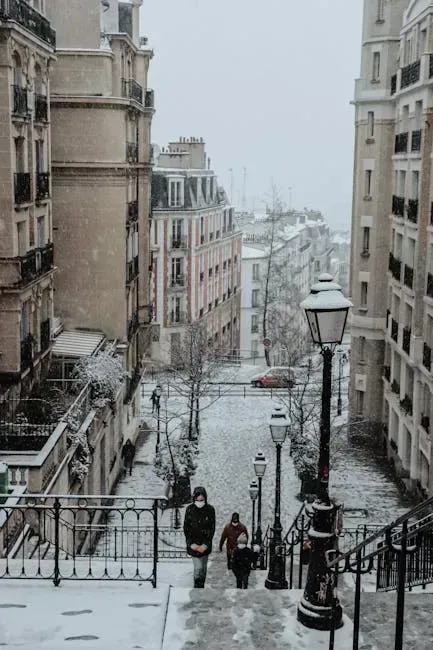
Let’s be real, France has carried a reputation for frostiness toward Americans for decades. But now there is actual data backing it up. France leads the pack when Europeans call their own country unwelcoming to American visitors, with a 2025 Upgraded Points survey finding 15% of French respondents admitting Americans aren’t always wanted, fueled by perceptions of loudness and entitlement.
U.S. favorability in France plunged 33 points by early 2025, linking to trade tensions and politics, and nearly half of Americans even picked France as the least friendly spot. Think of it like being a houseguest that the host tolerates but never truly invited. The croissants are still there. The warmth, not so much.
When it comes to the behaviors hurting U.S. travelers’ reputations overseas, noise is number one, with 64% of European respondents saying Americans are far too loud. More than six out of ten believe Americans expect everyone to speak English and one-third say Americans are overly friendly. France, where cultural pride runs deep, feels this friction more sharply than most.
2. Portugal: Beautiful Country, Boiling Patience

Portugal and Belgium topped the list of countries where locals said they feel annoyed by American tourists, with Portugal at 18.8% and Belgium at 18.3%. Ireland at 17.4%, the Netherlands at 14.9%, and Denmark at 14.8% followed closely. Those are not small numbers for a country that barely makes most people’s mental map of Europe.
Portugal consistently ranks high for tourist annoyance despite being relatively welcoming overall. The issue seems to be behavioral rather than political. Locals report frustration with loud voices, lack of cultural awareness, and expectations that everyone should speak English. Lisbon is not a theme park. It is a living city. People who treat it otherwise tend to feel the pushback.
Portugal saw a 26% increase in arrivals in 2024, and its popularity shows no signs of waning. More Americans flooding in means more friction, not less. In 2024, a record 747 million international travelers visited Europe, and in countries like France, Spain, Italy, Greece, Portugal and the Netherlands, more foreign visitors filtered through in a year than there were residents. Portugal’s patience is simply worn thin.
3. Spain: Water Pistols and “Tourists Go Home” Banners

Spain is beautiful and Americans know it, which is exactly part of the problem. Spain lists among the top unwelcoming spots at 6.9% in survey results, amid 2024 to 2025 protests against mass tourism, and Americans get lumped in for loud dinners and beach hogging, despite 94 million visitors yearly. That figure, nearly 100 million visitors, is staggering for a country of roughly 48 million people.
Locals in Barcelona took to the streets, spraying water pistols at innocent visitors, and protests gripped parts of Mallorca. That is not a metaphor. That literally happened. As one academic put it, overtourism in Spain has led to a downgrade in the quality of life for local residents in those particular areas.
A Spanish mobility consulting firm reported that the availability of long-term rental property in the nation decreased by three percent in 2024, with rental prices reaching a new all-time high. Locals blame tourists directly for making their cities unaffordable to live in. Americans, who are among the most visible and vocal tourist groups, absorb a significant share of that frustration.
4. The Netherlands: Blunt, Direct, and Increasingly Annoyed
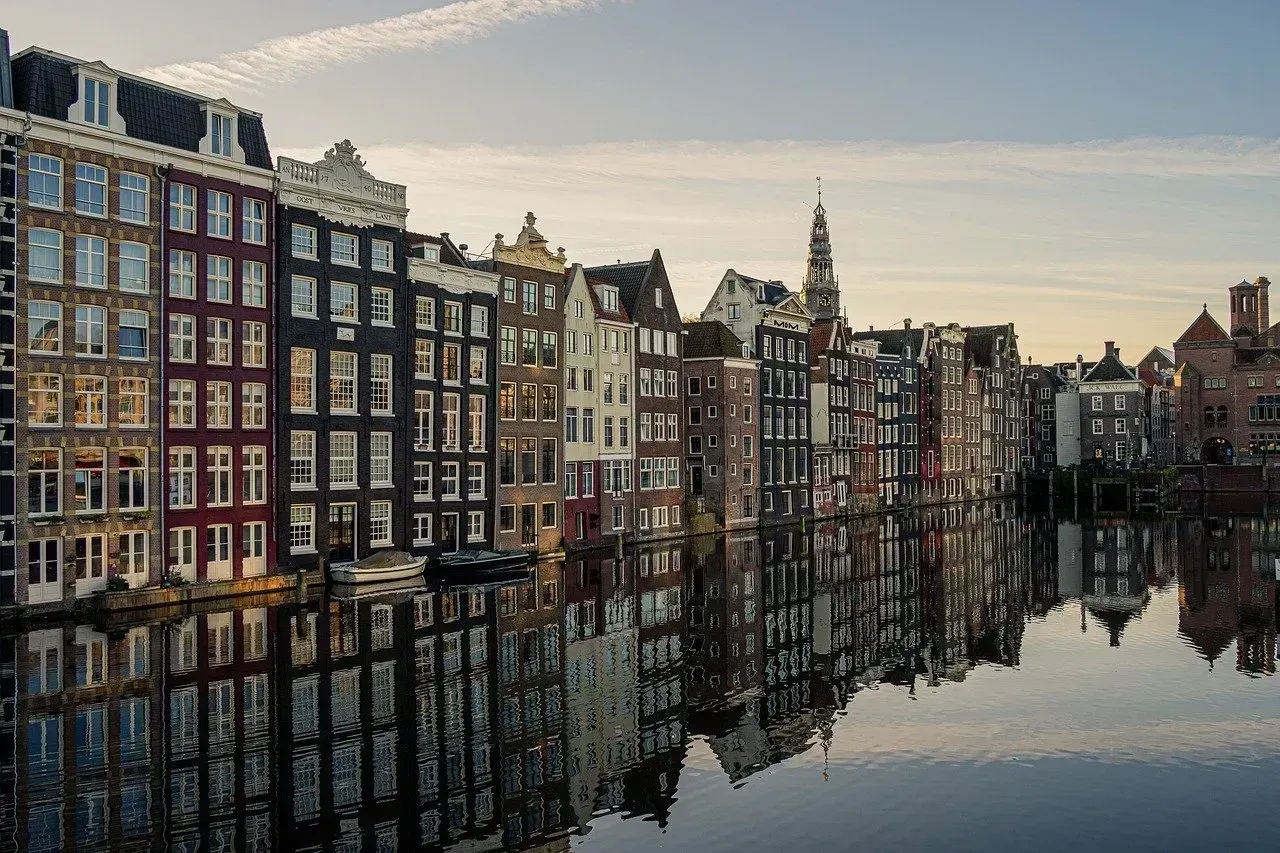
Countries that viewed Americans negatively overall were the Netherlands at nearly 40% of respondents, followed closely by Portugal at 37.7%, Belgium at 37.5%, Denmark at 37% and Sweden at 36.9%. The Dutch number is among the highest in all of Europe, and it matters because the Dutch are not known for being shy about expressing exactly how they feel.
Amsterdam city councillors have explained that over the past years, more than 75 measures have been implemented to combat the negative effects of overtourism, from rules to regulate the capacity of vacation rentals to relocating and reducing sea and river cruises and banning coaches in the city centre. That is a city actively working to limit the tourist flood, and American visitors are very much part of the flood they are managing.
Amsterdam confirmed that in 2025 it would continue to ban the addition of beds in hotels in the city, as well as maintain the ban on the creation of new hotels. The message to mass tourism, including the American variety, is becoming increasingly clear. I think it’s the most elegant form of a “no vacancy” sign a city can put up.
5. Denmark: Greenland Politics Made It Personal
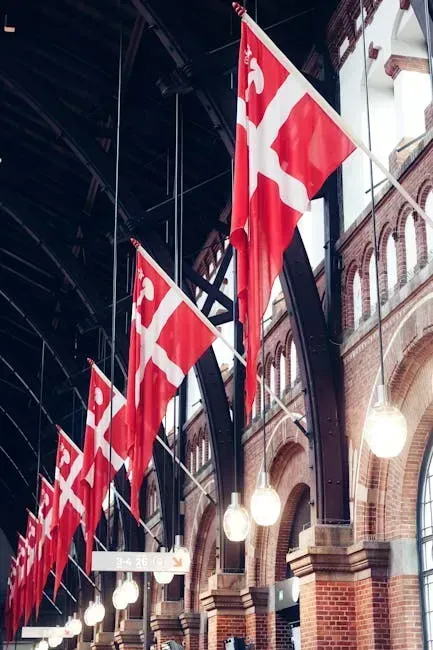
Denmark might seem like an unlikely entry on this list. It is small, prosperous, and generally considered progressive. Denmark shows up repeatedly in surveys, with 14.8% annoyance figures and 7.5% of residents deeming it unwelcoming. Trump’s Greenland talk hit hard, as Greenland is Danish territory, sparking roughly a third of Danes to rethink their attitude toward American guests.
Western Europe was down overall in visitor numbers, with visitors from Denmark dropping by 19%, from Germany by 10%, and from France by 6.6%. These are real shifts in behavior, not just opinion poll numbers. When politics crosses into territorial claims, tourism suffers. It’s a bit like insulting your host’s home and then expecting a warm dinner invite.
Copenhagen’s bike paths feel less inviting when glares follow, and Danes prize hygge, or coziness, which rowdy tours disrupt. Surveys back this up. It is cultural, not personal, yet it stings. The cultural mismatch between Denmark’s reserved social values and the boisterous American travel style is simply more visible now than it was five years ago.
6. Germany: Interest in the U.S. Has Collapsed
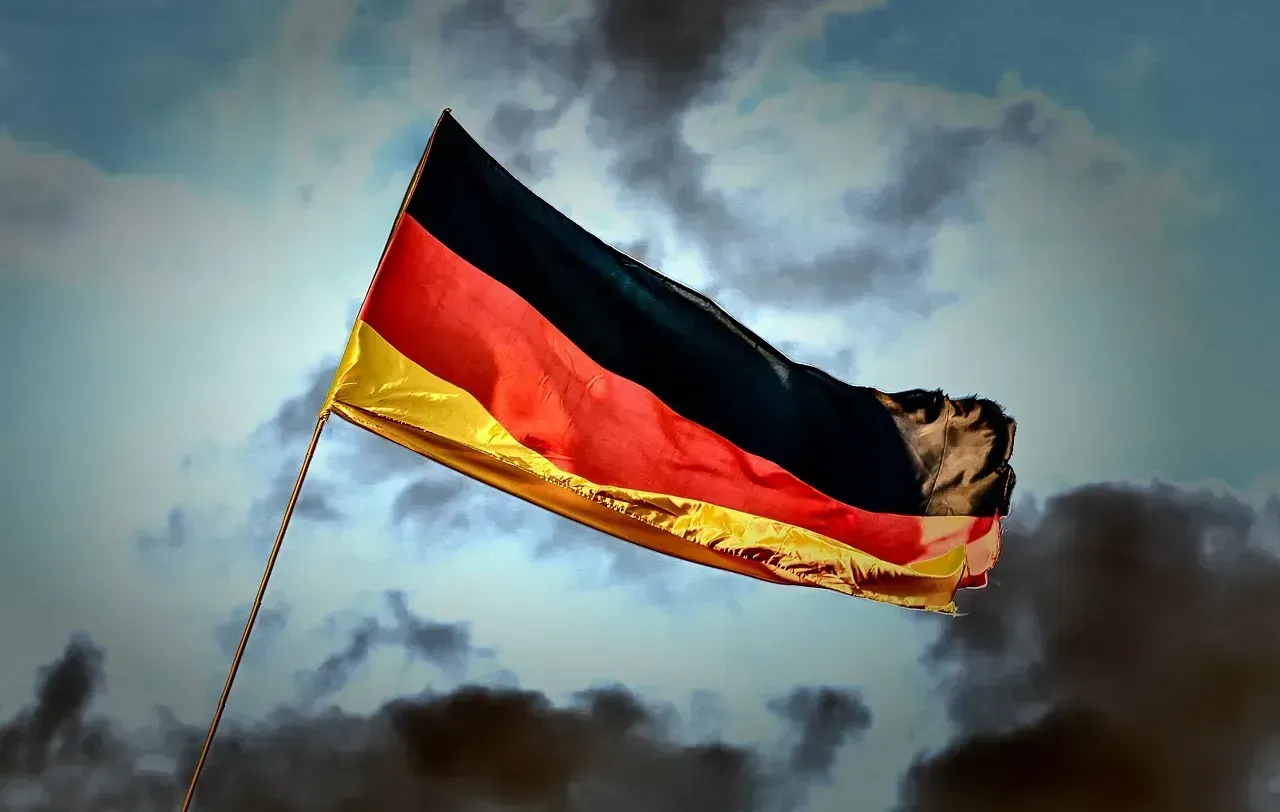
Germany’s relationship with American tourists is increasingly tense, and the numbers confirm it clearly. The statistics from 2025 tell a sobering story. Germany ranks number one with a steep 61% drop in interest in visiting America, followed by Canada with a staggering 40% drop since last year. That mutual coolness is absolutely spilling over into how Germans treat American visitors on their own soil.
Germany hasn’t formally restricted American entry, but the welcome mat has definitely been pulled back. NATO disputes and trade tensions have fueled anti-American sentiment among locals, and German travel agencies now warn U.S. visitors about potential public hostility, especially in eastern regions. Those are not minor travel advisories. That is a country bracing its own people for friction.
These declines reflect both American unpopularity abroad and Germans choosing to travel elsewhere rather than face what they perceive as an unwelcoming United States. The relationship has become mutually uncomfortable. Efficient, precise, and rule-conscious Germans, it turns out, clash heavily with what many describe as casual American boundary-testing and cultural obliviousness.
7. Norway: The Quiet Resentment of the Fjords
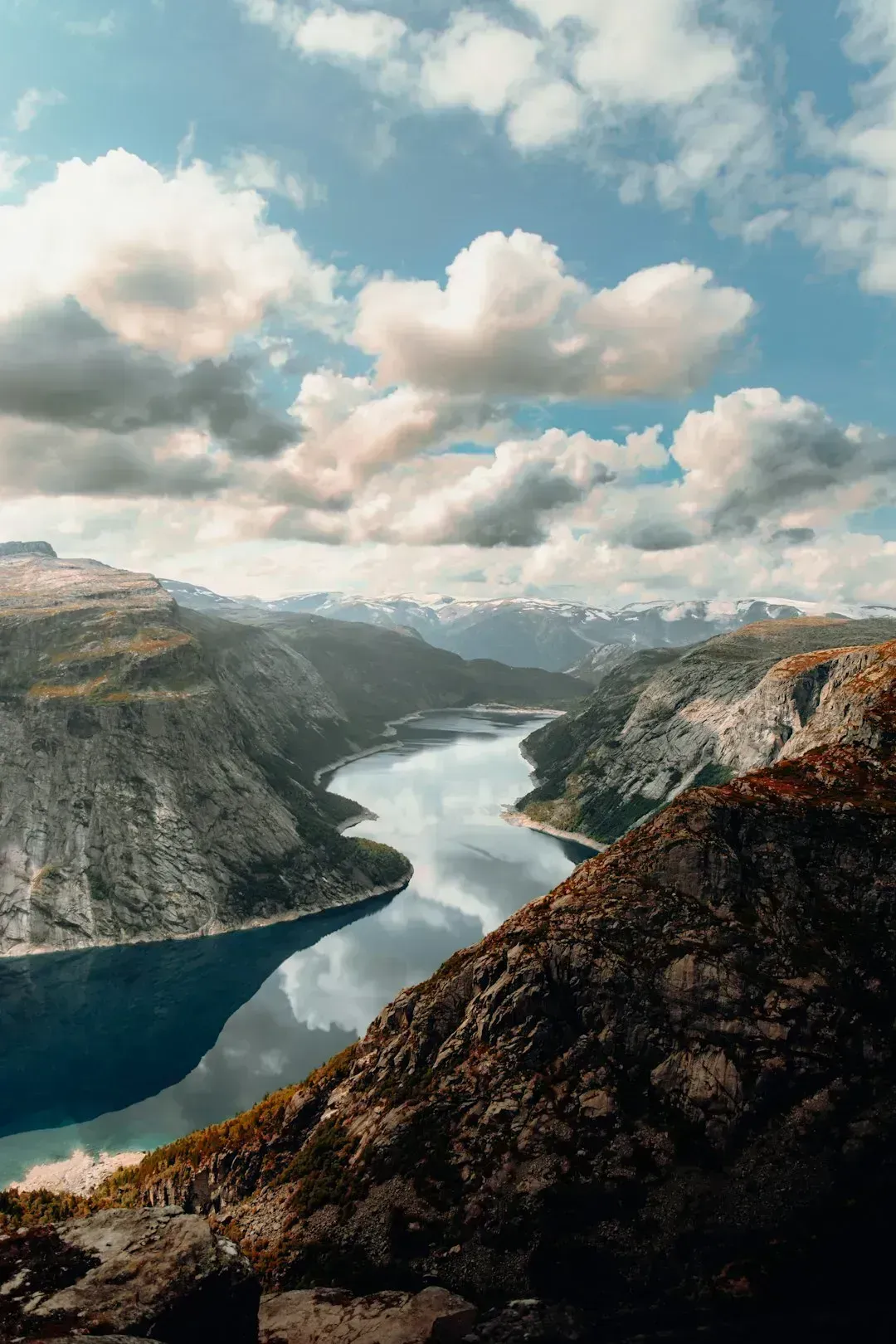
Norway never makes loud headlines about anti-American sentiment. It does not need to. Norwegians quietly resent American visitors, with 8% calling their fjords unwelcoming in recent polls, and the 2024 U.S. election swayed 44% of Norwegians to view American travelers more harshly, amid drops in European tourism to America. That is nearly half the country shifting its view of one tourist group based entirely on politics.
Think pristine hikes marred by loud groups. That is the main complaint. Norway’s reserved nature clashes with boisterous styles. Imagine hiking through one of the most stunning silent landscapes on earth and having someone next to you delivering a play-by-play into their phone for their Instagram audience. Norwegians notice this. They just rarely say anything to your face.
It’s hard to say for sure whether the political dimension or the cultural one drives more of the friction in Norway. But the 2025 Upgraded Points survey made clear that 54% of Americans themselves worry at least a little about their reputation when traveling internationally, and 73% believe Americans overall have a bad reputation overseas. More than 1 in 4 Europeans hold a generally negative opinion of American tourists. Norway sits squarely within that European consensus.
8. Hungary: A Surprising Entry with Cold-Shoulder Energy
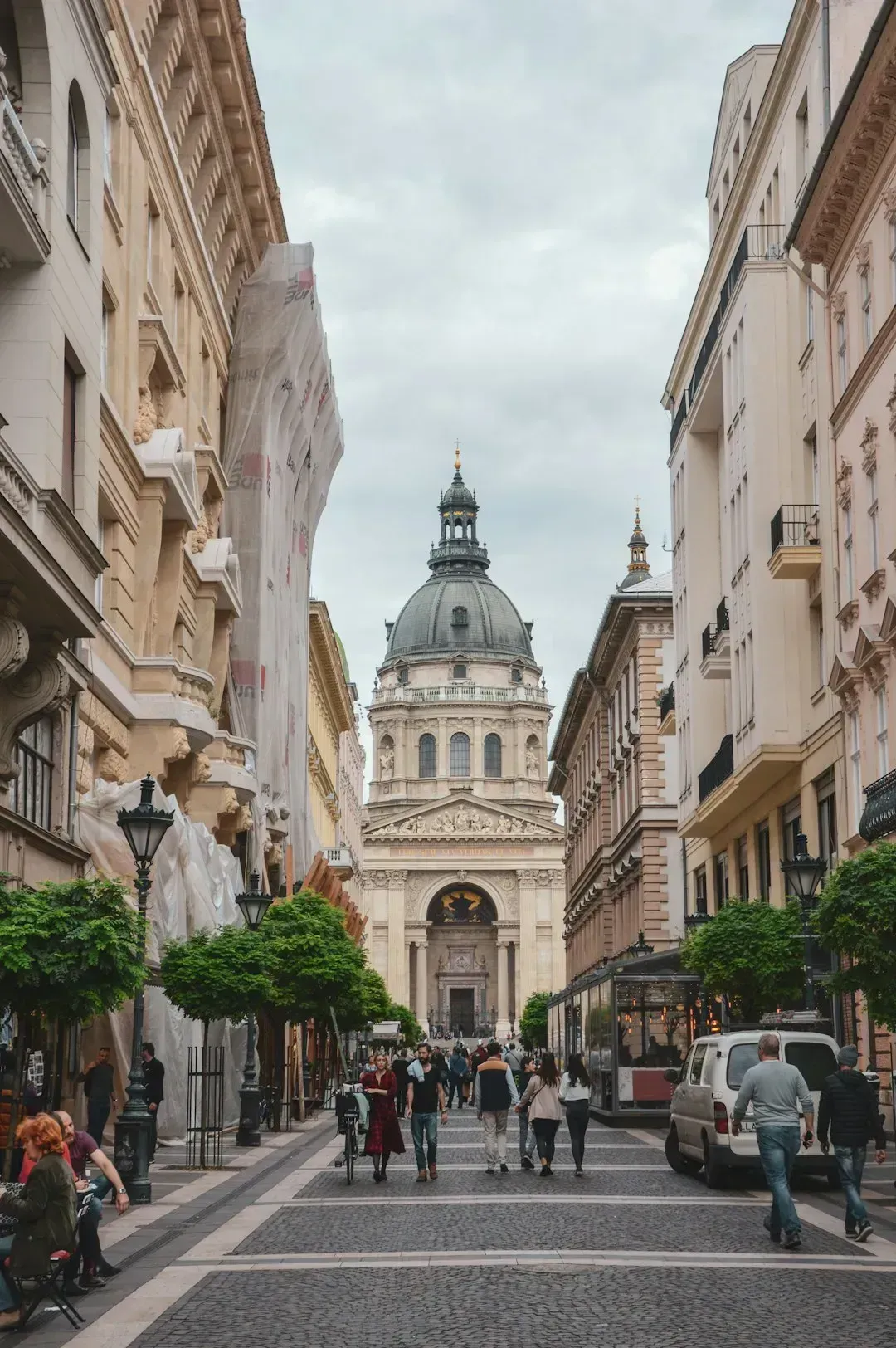
Other countries that view themselves as the least welcoming to Americans include Hungary at 8.7%, Norway at 8%, Denmark at 7.5%, and Spain at 6.9%. Hungary’s placement near the top of this particular category is genuinely surprising to many travelers who have never considered Budapest a hostile destination.
The tension in Hungary is partly political and partly rooted in a broader Eastern European skepticism of loud Western tourism. Budapest has become a popular party destination for international visitors, and that reputation generates real friction with locals who live in the historic neighborhoods being turned into nightlife corridors. It is the Venice problem in a different language.
Politics, loud voices, and cultural clashes have stirred up real tensions, especially since 2024. Hungary has also navigated its own complex relationship with Western political values, which adds another layer of friction when American tourists arrive carrying strong assumptions about how the world should work. The eye rolls are subtle but they are very much there.
9. Belgium: Low Official Hostility, High Personal Annoyance

Belgium is one of those countries that seems to fly under the radar on these lists. On the other side of the spectrum, Belgium boasts only 1.9% of residents who consider their nation unwelcoming to Americans. That sounds positive. Here is the catch: the annoyance numbers tell a very different story.
Portugal at 18.8% and Belgium at 18.3% topped the list of countries where locals said they feel annoyed by American tourists. So Belgians will welcome you in the door but will be silently annoyed by you the entire time you are there. That is a very Belgian distinction, honestly. The gap between official hospitality and genuine irritation is wide.
Americans struggle with volume control, deference to local customs, and boundaries. A large majority of Europeans think Americans are too loud, a majority believe Americans expect everyone to speak English, one-third think Americans are too familiar, and over a quarter think Americans ignore local customs. Belgium, being a country of deeply embedded traditions across Flemish, Walloon, and Brussels cultures, feels every one of these violations acutely.
10. Canada: The Neighbour That Finally Said Enough

This one might sting the most, because Canada is not some distant exotic country. It is right next door, a country with which the U.S. shares the longest undefended border in the world. Yet 2025 marked a dramatic and documented rupture. Canada’s boycott of U.S. travel, driven by political tensions, trade disputes, and economic pressures, significantly impacted the U.S. tourism industry, with a 24% decline in Canadian visitors during the first half of 2025. This drop contributed to a projected $29 billion shortfall in expected tourism revenue.
The boycott began in early 2025, after U.S. President Donald Trump’s tariff war heated up and he suggested Canada should become the 51st U.S. state. Since then, thousands of Canadians have refused to cross the border, drastically affecting the U.S. travel sector, especially major American destinations that rely on tourism, including Las Vegas. The relationship flipped almost overnight. Where once Canadians flooded across the border for long weekends and shopping trips, now the sentiment is icy.
The reversal goes both ways. In addition to a drop in Canadian travel to the U.S., there has also been a drop in Americans travelling to Canada in 2025. A THIA report showed that political tension remains a key factor in Canadians’ decision to continue boycotting the U.S., with about 40% of Canadians reporting that this is the main reason they decided to avoid U.S. travel. American tourists heading north are now encountering a country that is deeply, emotionally disinclined to roll out the welcome mat.
The full picture is uncomfortable but worth sitting with. A WTTC study published in May 2025 predicted that the U.S. would experience a significant decrease in visitor spending, ranking last among all analyzed countries. The WTTC also reported that the U.S. was the only country expected to experience a decrease in international visitor spending in 2025 among the 184 nations analyzed. The data points in one direction. American travelers are facing real friction across the globe, rooted in both cultural habits and political realities that will not vanish the moment you land.
The question is not whether to travel. Travel is always worth it. The question is whether you will arrive informed, respectful, and culturally curious, or whether you will become the very thing these countries are bracing themselves for. What do you think about it? Let us know in the comments.