The 5 Most Dangerous Bridges in the U.S. That Experts Say Are Overdue for Repair
Thousands of Americans cross aging bridges every single day without giving them a second thought. The coffee run, the commute to work, the weekend getaway. These bridges are just there, part of the landscape. Yet beneath the surface, many of these structures are quietly deteriorating, carrying far more weight than they were ever designed to handle. In 2024, over 4.9 billion motor vehicle trips were taken daily across the nation’s 623,218 bridges, with about a third of the nation’s bridge inventory (221,791 spans) needs repair work or replacement.
What makes this situation particularly unsettling is that approximately 45% of bridges have exceeded their planned design lives of 50 years. We’re essentially running our infrastructure on borrowed time. According to the report, 42,067 of the bridges in need of repair are rated as being in poor condition, and classified as “structurally deficient”. While engineers and transportation officials work tirelessly to address these issues, the backlog is staggering, and some bridges have become critical flashpoints that experts warn cannot wait much longer.
Brent Spence Bridge: Cincinnati’s Critical Chokepoint
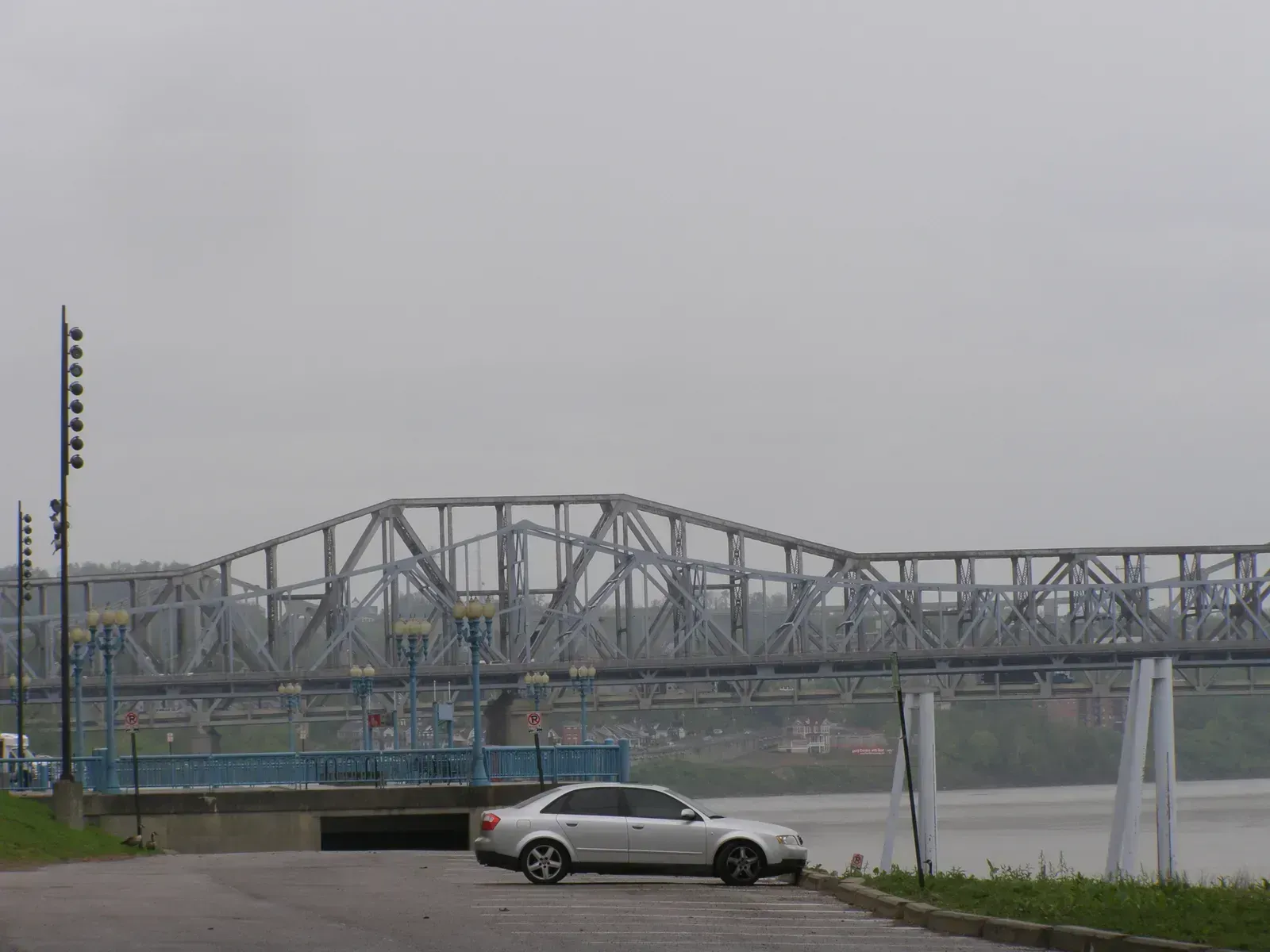
Connecting Cincinnati, Ohio, and Covington, Kentucky, the Brent Spence Bridge is essentially a ticking clock that nobody wants to hear run out. Today, 155,000 vehicles, including 30,000 trucks, pass over the bridge, daily. As a result, the Brent Spence Bridge was designated as functionally obsolete in the 1990s. Here’s what really gets your attention: more than $1 billion in freight crosses the bridge every day. The bridge was built in 1963 to handle far less traffic than it sees now, and that mismatch has created a dangerous situation.
While it is structurally sound, the bridge is unable to carry the amount of its daily traffic. Over the last two decades, experts have known it cannot be modified to meet today’s traffic and safety needs. Traffic congestion has become so severe that in 2025, downtown Cincinnati’s I-71/I-75 intersection, just north of the BSB, was ranked as the 8th most congested area in the nation for truck bottlenecks, according to a report by the American Transportation Research Institute. In ATRI’s 2024 report, the bridge was ranked 14th worst bottleneck in the nation. A fiery crash in November 2020 forced a six-week shutdown, giving the region a terrifying preview of what a prolonged closure would mean.
Relief is coming, though not fast enough for many. On December 29, 2022, a federal funding package of $1.6 billion was signed to help repair the bridge. Construction on the bridge began in 2025 and was expected to take eight years to complete. According to this timeline, the new bridge and reconfigured Brent Spence Bridge are set to open for traffic in 2032. Until then, roughly 155,000 daily commuters are essentially gambling every time they cross.
Brooklyn Bridge: An Icon on the Edge
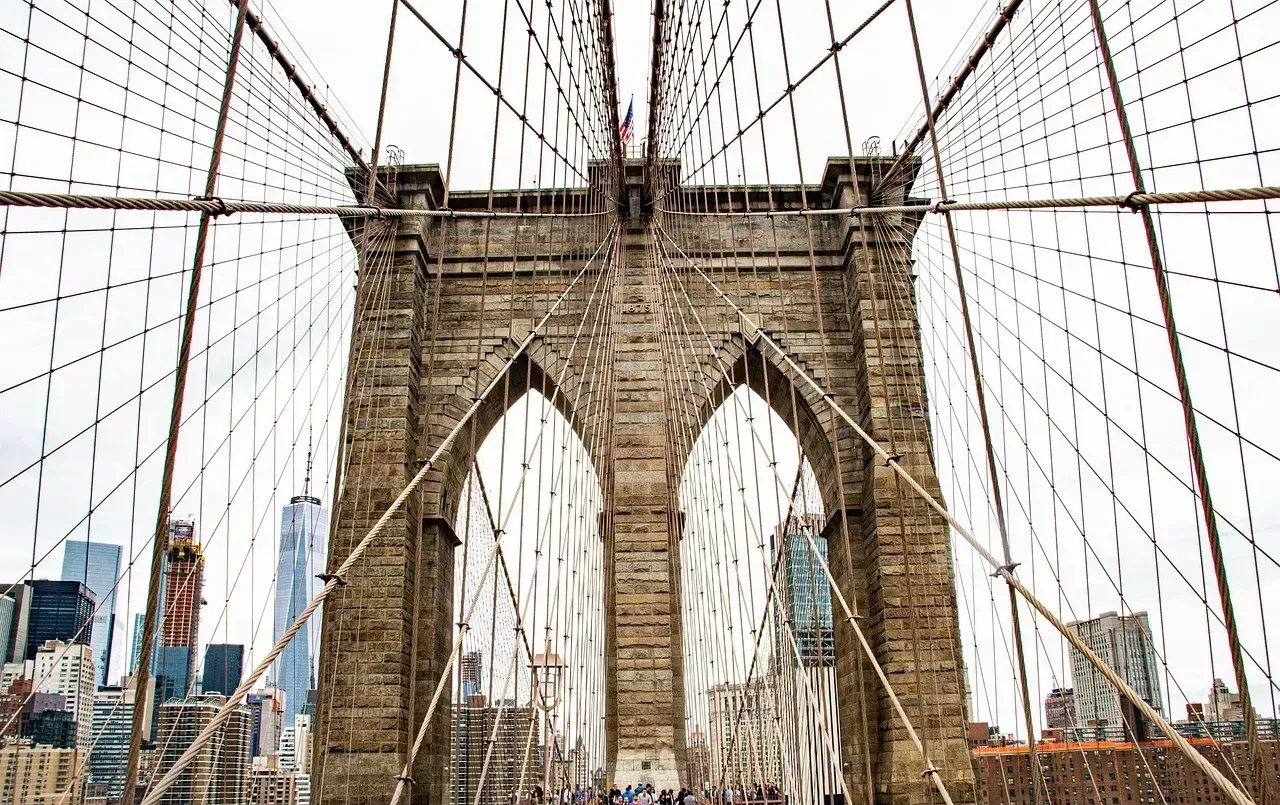
The Brooklyn Bridge is stunning, romantic, and thoroughly overworked. Opened in 1883, it’s been carrying traffic for over 140 years now, which is remarkable considering it was designed for horse-drawn carriages and trolley cars, not modern vehicles. As of 2024, an average of 103,051 vehicles, 28,845 pedestrians, and 5,504 cyclists travel over the Brooklyn Bridge each day. That’s an enormous amount of stress on a structure that’s more than a century old.
The scale of deterioration became apparent when engineers started digging into the details. DOT originally came to us with a request to repair the masonry on the arches beneath the bridge, which were deteriorating and needed structural improvements. The historic granite and brick components had suffered serious damage, and the foundations required stabilization work to prevent further deterioration. Think about that for a moment. The very foundations holding up one of America’s most beloved landmarks were weakening.
From 2016 through 2023, rehabilitation focused on the masonry approach arches and towers. This addressed structural deterioration while incorporating seismic retrofits such as reinforced concrete shear walls. The project finally wrapped up in 2025, a relief for the millions who depend on this crossing. The rehabilitation took six years and was completed in June 2025. Honestly, it’s sobering to realize how close we came to losing full access to this critical link between Manhattan and Brooklyn.
Arlington Memorial Bridge: Washington’s Crumbling Symbol
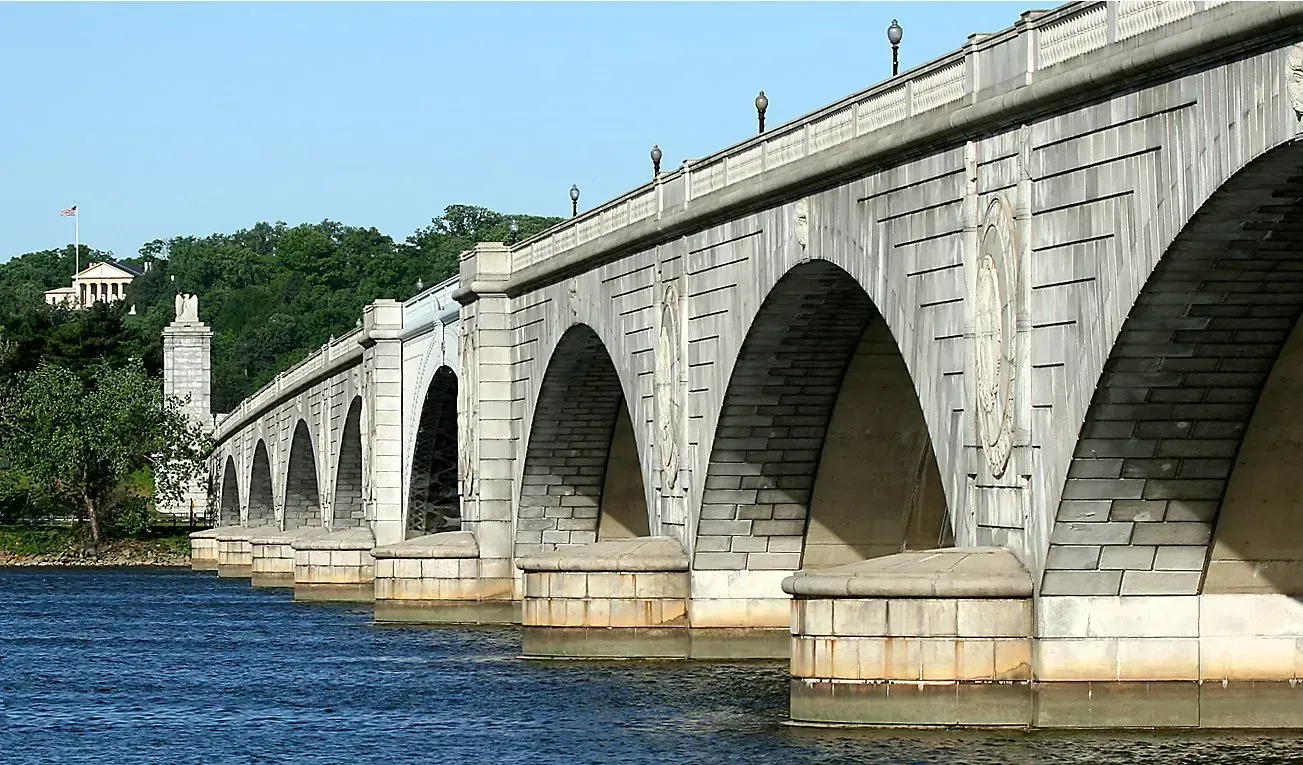
Few bridges carry as much symbolic weight as the Arlington Memorial Bridge in Washington, D.C. It connects the Lincoln Memorial to Arlington National Cemetery, literally linking past and present, sacrifice and remembrance. Yet by 2015, this iconic structure was in such bad shape that experts warned it might need to close entirely. In 2015, severe corrosion was detected in the bridge’s structural and reinforcing steel, with the loss of steel exceeding 80% in some areas and even reaching 100% in certain locations. Let that sink in. Complete loss of steel in certain spots.
The deterioration had been gradual but relentless. Moderate deterioration of some steel members and spalling concrete were detected in 2003 during what was then a biennial inspection by the FHWA. By 2009, however, the problems had become severe enough for the highway administration to start inspecting the structure annually, with some portions of the bridge inspected even more frequently because of corrosion. Underwater inspections revealed even more concerning problems with the concrete piers showing signs of scouring and undermining.
Without such an effort, “the bridge would have been required to close to all traffic in 2021 due to continued deck deterioration,” according to the National Park Service. Thankfully, on November 30, 2017, a major renovation of the bridge was announced by the U.S. Department of the Interior. The $227 million project was paid for from a wide range of federal funding sources. Work began in 2018 and the bridge fully reopened in 2020, averting what would have been a transportation nightmare in the nation’s capital.
Bridges Across Pennsylvania: An Ongoing Crisis
Pennsylvania doesn’t just have a bridge problem. It has thousands of them. The state consistently ranks among the worst in the nation for structurally deficient bridges, a distinction nobody wants but one that reflects decades of underfunding and deferred maintenance. According to data from the American Road and Transportation Builders Association, Pennsylvania has made progress recently, but the numbers remain alarming. States with the biggest decline in the number of bridges in poor condition: Pennsylvania (down 90), Louisiana (down 87), Florida (down 85), and West Virginia (down 74) and California (down 64).
The fact that Pennsylvania reduced its count by 90 bridges in poor condition sounds positive until you realize how many remain. I-95 bridges throughout the state have been particular trouble spots, requiring emergency interventions and massive reconstruction efforts. The sheer volume of aging infrastructure creates a constant game of triage, where transportation officials must decide which bridges get repaired first while others continue to deteriorate.
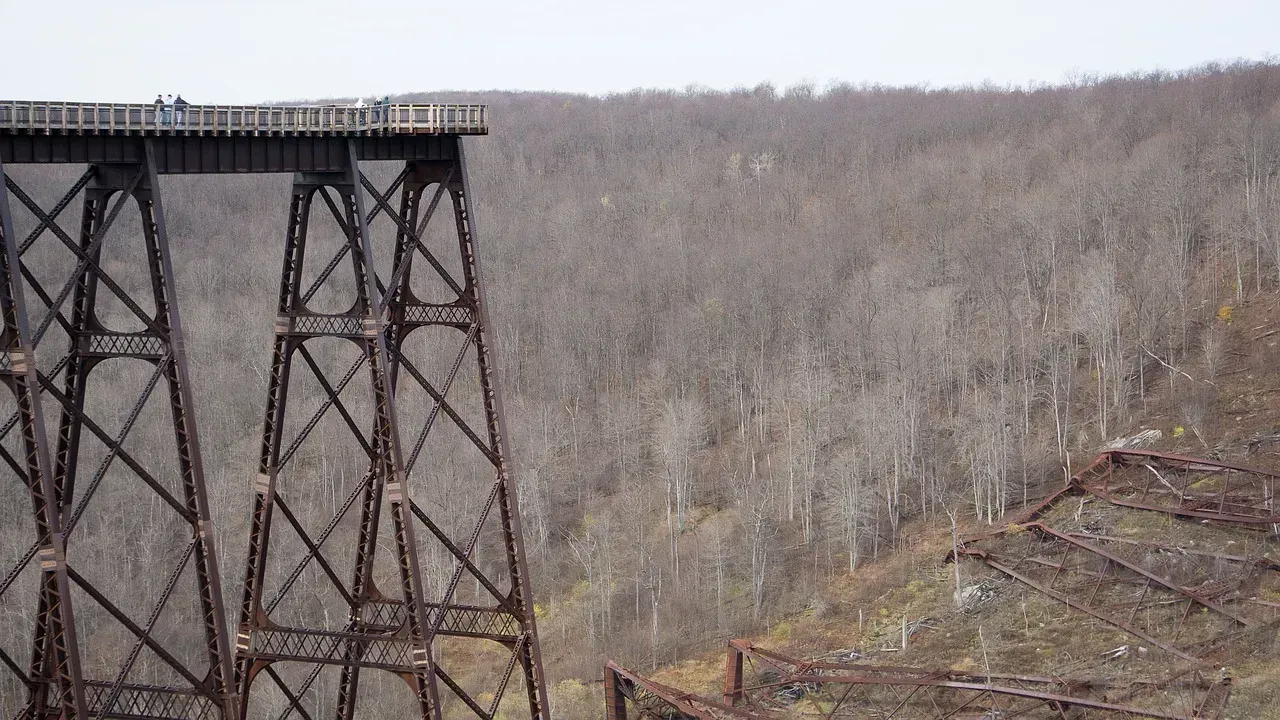
One particularly sobering incident occurred on January 28, 2022, when the Fern Hollow Bridge in Pittsburgh collapsed without warning, sending vehicles plunging into a ravine below. Multiple people were injured, and despite multiple maintenance and repair recommendations, a critical plate was allowed to corrode and fracture over time. This wasn’t a natural disaster or an accident. It was a preventable failure that highlighted what can happen when repair work gets postponed too long.
Bridges in Iowa and South Dakota: Rural Danger Zones
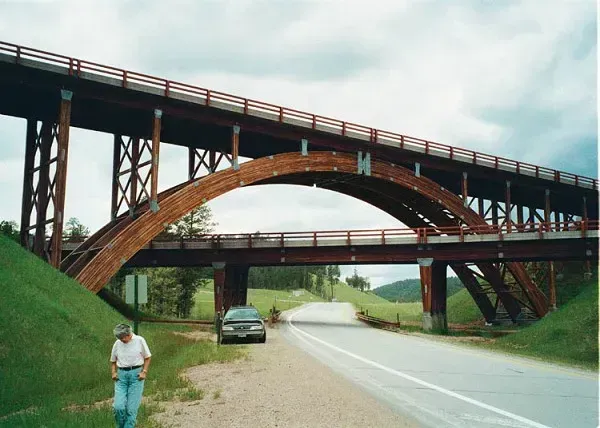
When people think about dangerous bridges, they often picture major urban crossings like the ones in New York or Cincinnati. The reality is that some of the most precarious bridges in America are in rural areas where funding is scarce and traffic volumes don’t justify immediate attention. Iowa and South Dakota stand out for all the wrong reasons. The states with the highest share were Iowa and South Dakota, where one out of five bridges in each state were in poor condition, according to the NBI data.
One out of five bridges. That statistic should make anyone planning a road trip through the Midwest pause for a moment. States with colder climates may have more deteriorated bridges due to the effects of salt and de-icing chemicals, which accelerate corrosion and concrete damage. Rural bridges face unique challenges because they often serve farming communities, school buses, and emergency vehicles, yet receive less attention than their urban counterparts.
The problem compounds when you consider how spread out these bridges are across vast agricultural landscapes. Inspection schedules can be harder to maintain, and emergency repairs take longer to mobilize. Many of these structures were built in the mid-20th century and are now carrying modern agricultural equipment that weighs far more than the original designers anticipated. Local governments in these states are doing what they can, but the funding gap remains enormous, leaving thousands of bridges in a precarious state.